
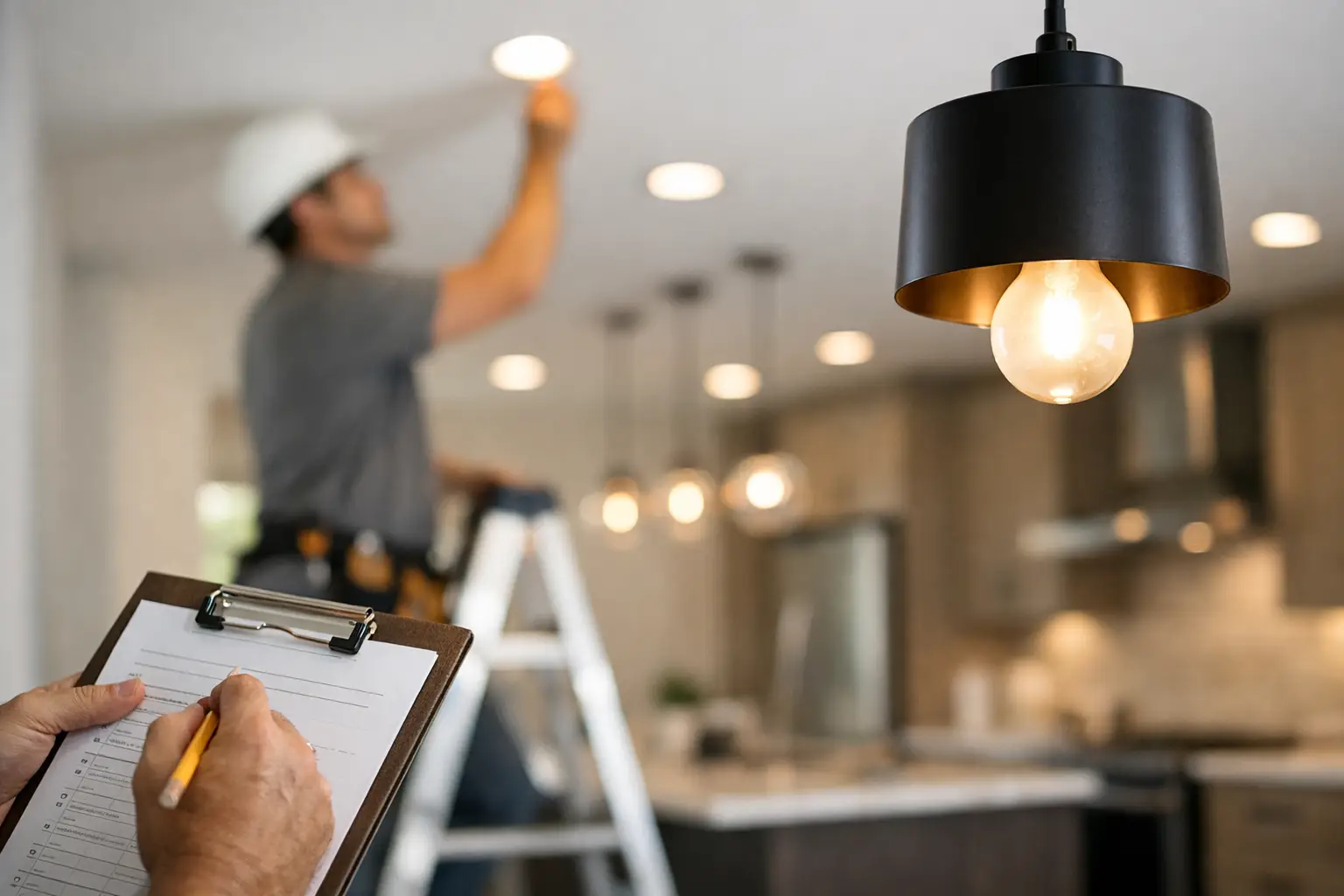
A dated light package can make a fresh kitchen feel value-engineered in the worst way. On the other hand, the right fixture mix can tighten a spec, help photos read better online, and give buyers or clients the sense that the whole project was handled with more care. That is why builder lighting trends matter right now – not as decoration, but as a practical lever for faster turns, better staging, and stronger perceived value.
For builders, designers, and investors, the real question is not which fixtures look good on a mood board. It is which trends are proving useful in the field. The best lighting decisions today balance three things at once: clean installation, broad market appeal, and enough character to avoid that standard-package look.
Why builder lighting trends are shifting
The market has moved past one-size-fits-all brushed nickel packages. Buyers are more visually literate, listing photos do more heavy lifting than ever, and clients expect lighting to feel intentional even in mid-range projects. At the same time, labor costs are up, timelines are tighter, and callbacks eat margin.
That tension is shaping current builder lighting trends. Pros are leaning toward fixtures that create a stronger first impression without adding complexity at rough-in or trim-out. In practice, that means fewer overly ornate pieces, more versatile finishes, and a stronger focus on scale, light quality, and fixture coordination across the home.
Another factor is sourcing discipline. A trend only works for production or repeat renovation work if it can be reordered, matched across categories, and installed with minimal surprises. The most useful trends are not the flashiest ones. They are the ones you can spec again next month.
The finishes winning right now
Matte black still holds its ground, especially in modern farmhouse, transitional, and investor-grade flips that need contrast without custom pricing. It photographs well, works with white oak and painted cabinetry, and gives basic rooms a sharper outline. The downside is obvious – overuse can make a project feel formulaic. If every knob, faucet, and light is matte black, the result starts to read as a template rather than a design choice.
Aged brass and soft champagne finishes are gaining ground because they warm up a space without pushing it into traditional territory. They pair well with creamy whites, greige walls, and natural stone looks that dominate many remodels. For designers, this finish family gives a project a more tailored feel. For builders, it can lift perceived value fast. The trade-off is consistency. Not every vendor’s brass tone matches, so mixed sourcing requires a sharp eye.
Muted mixed-metal packages are also becoming more common. That does not mean random finish stacking. It means one dominant finish, then a controlled secondary accent. Think black exterior lanterns with warm metal dining and bath fixtures inside, or polished nickel in formal rooms with black utility-zone lighting. This approach works best in custom and upper-mid-tier projects where buyers notice finish depth.
Simpler silhouettes, better scale
One of the clearest builder lighting trends is the move toward cleaner fixture shapes with better proportions. The oversized wagon-wheel chandelier phase has cooled. In its place, there is more demand for streamlined linear pendants, soft geometric flush mounts, and chandeliers that feel airy rather than heavy.
This is a good shift for project teams. Simpler silhouettes are easier to use across multiple home styles, from updated colonial to new-build contemporary. They also tend to date more slowly, which matters for rentals and resale-focused renovations.
Scale is where many projects still miss. A fixture can be on-trend and still look wrong if it is undersized. In dining rooms, kitchen islands, and double-height entries, the trend is clearly toward fixtures that hold visual space with confidence. That does not always mean bigger. It means right-sized. A long island often needs either two substantial pendants or one linear fixture with enough width and drop to anchor the room in photos and in person.
Integrated LED is no longer optional
Integrated LED fixtures used to raise concerns about serviceability and cold light quality. Some of that skepticism was justified. Today, the category is stronger, cleaner, and better suited to production work. For many builders, this is one of the most practical builder lighting trends because it reduces bulb-matching issues, streamlines maintenance expectations, and often supports slimmer fixture profiles.
Still, not every integrated LED fixture belongs in every project. The key specification is color temperature. For most residential flips, spec homes, and designer-led renovations, 2700K to 3000K creates the most buyer-friendly result. Go cooler than that and kitchens and baths can start to feel clinical. Dimming compatibility matters too. A sleek fixture that flickers on a common dimmer is not saving anyone time.
The smartest move is to standardize around a small group of vetted fixtures and controls. That cuts confusion during install and helps trades avoid mix-ups on site.
Decorative utility is driving kitchen and bath choices
The kitchen and primary bath still carry the visual burden of the sale, so lighting in these areas is working harder. Pendants over islands are becoming more architectural, with opal glass, fluted shades, or slim metal forms replacing generic bell pendants. The look is refined, but the real value is that these fixtures add finish contrast and focal clarity in listing photography.
In bathrooms, vanity lighting has become more vertical and more deliberate. Instead of relying only on a strip above the mirror, many specs now use side-mounted sconces or cleaner bar fixtures that distribute light more evenly. For designers, that improves function and face lighting. For investors, it helps the bath feel updated without moving plumbing or tile.
There is an important caveat here. Decorative utility works only when the fixture supports real task lighting. If a kitchen pendant looks great but throws shadows across prep zones, it is not doing the job. Trend-driven selections still need lumen output and placement discipline.
Flush mounts and semi-flush fixtures are getting smarter
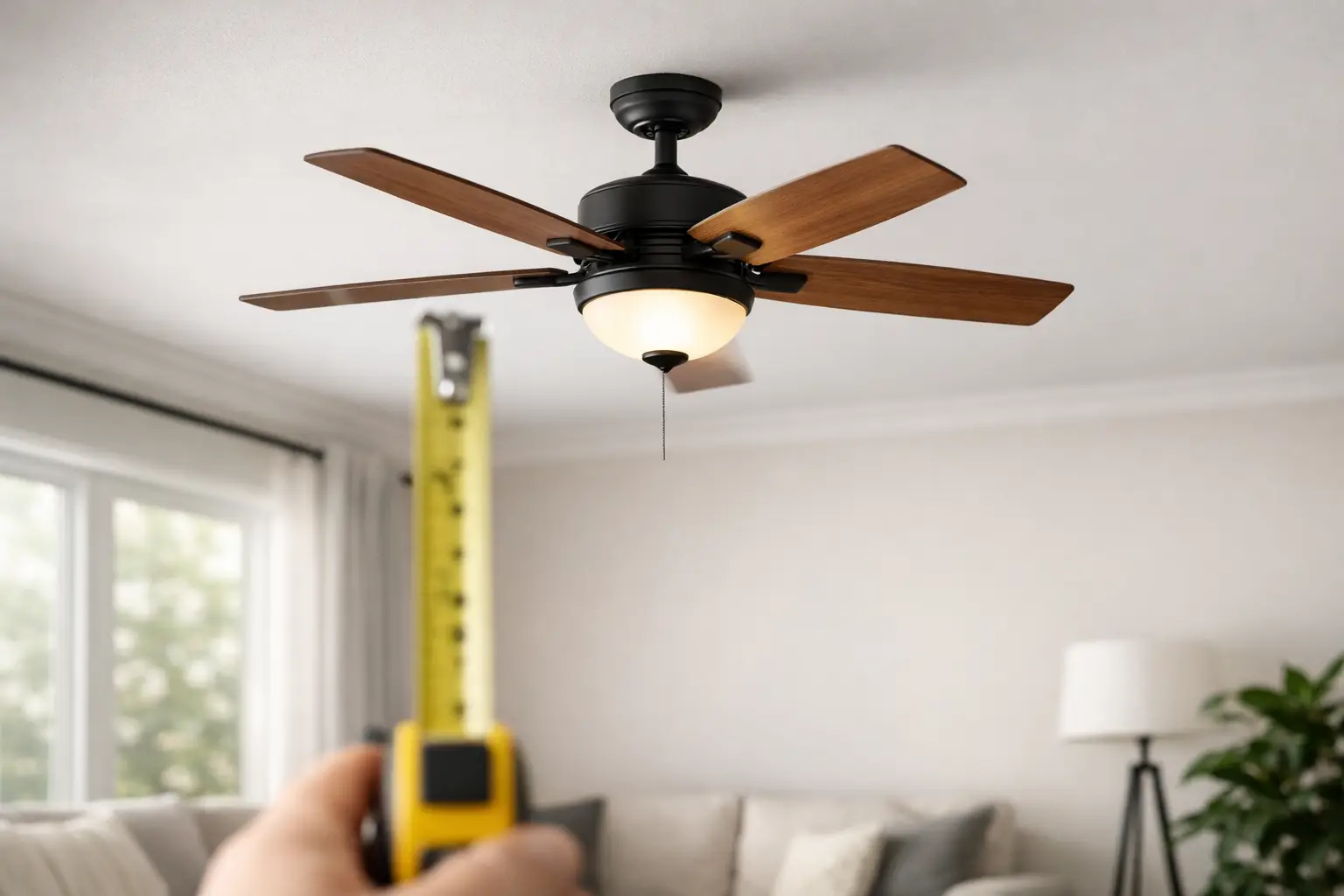
Low ceilings used to force a compromise. You either installed a plain dome light or spent too much time chasing a decorative piece that still did not sit right. That gap is closing. One of the more useful trends for builders is the rise of flush and semi-flush fixtures that actually look finished.
This matters in bedrooms, hallways, secondary baths, laundry rooms, and smaller entries – places where budget pressure is high but visual repetition is dangerous. A simple, low-profile fixture in a warm finish or soft-texture shade can make an entire floor plan feel more curated. It is a small move with outsized effect, especially in investor projects where every room has to feel considered without carrying custom-level cost.
Outdoor lighting is becoming part of the sales strategy
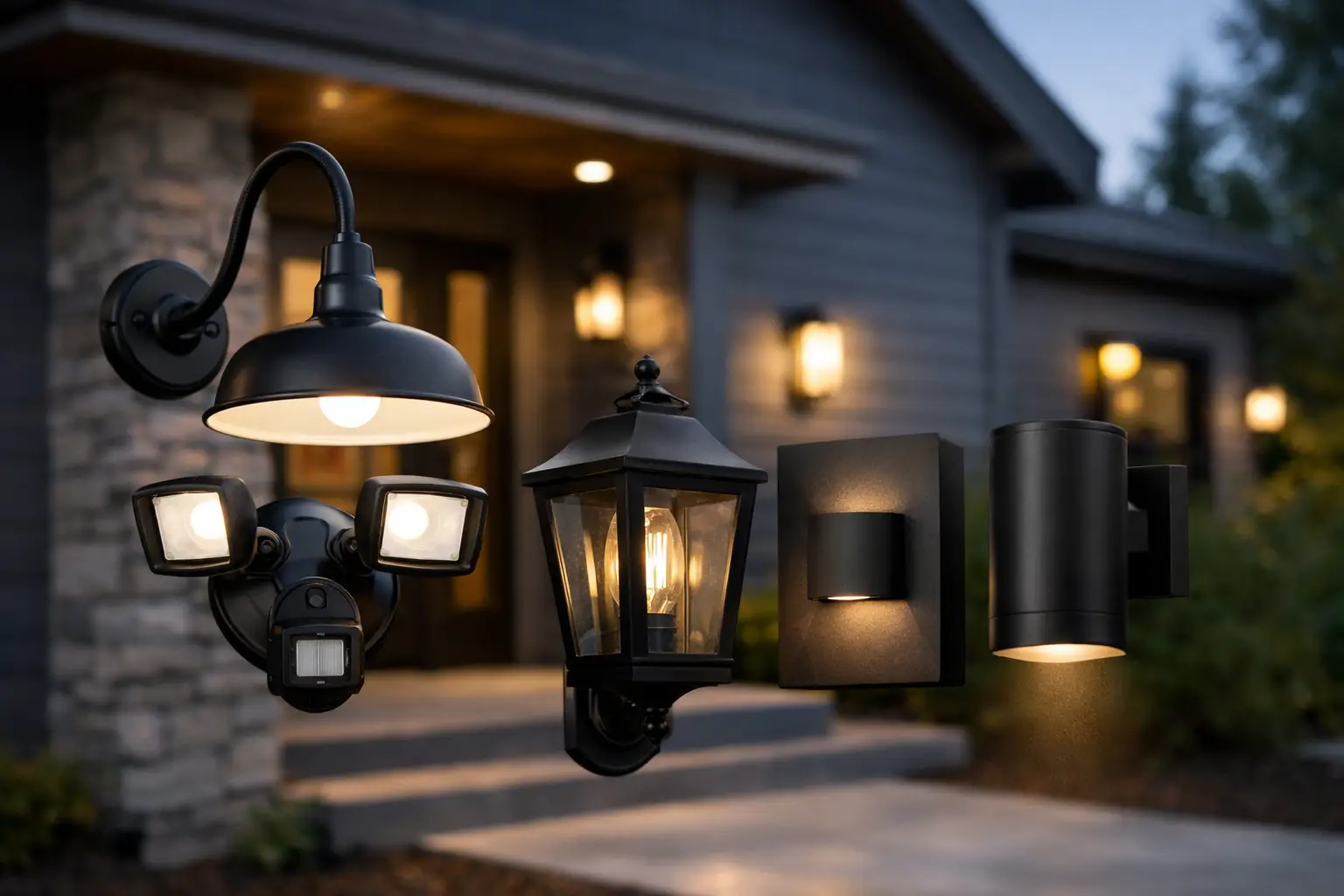
Exterior fixtures are no longer an afterthought. They frame curb appeal, influence nighttime photography, and help establish style before anyone opens the front door. Current builder lighting trends outside the home lean toward larger lanterns, cleaner lines, and better finish durability.
Black remains the safest choice for broad appeal, but warm metallics and textured dark bronze are appearing in more upscale specs. The larger shift is proportional confidence. Tiny sconces beside a garage-forward elevation now look underpowered. Slightly oversized exterior lighting reads as more current and more premium, provided it fits the architecture.
Function matters here too. Integrated LED, wet-rated performance, and compatibility with dusk-to-dawn or smart controls can add value for both homeowners and rental operators. A fixture that supports safety and lowers maintenance earns its keep.
What to spec if ROI is the priority
If the project is a flip, entry-level new build, or rental turn, the best approach is not to chase every trend. It is to build a tight, repeatable package. Start with one primary finish, one warm LED standard, and fixture families that coordinate across kitchen, bath, bedroom, and exterior use.
Spend your visual budget where buyers notice it most: entry, dining area, island, primary bath, and front elevation. Keep secondary bedrooms, utility spaces, and closets simple but not cheap-looking. That is where upgraded flush mounts and clean vanity bars do their best work.
For designers working on client homes, there is more room to layer in statement pieces. Even then, discipline pays off. A standout dining chandelier or sculptural foyer pendant will have more impact if the rest of the lighting package feels coherent.
This is also where smart sourcing becomes a competitive edge. A trend is only profitable when lead times, replacement options, and finish consistency support the project schedule. If you are building a repeatable spec library, prioritize vendors and categories that reduce rework. Resources like Hudson Valley Review can help teams think through trend alignment and practical product strategy before they are solving shortages mid-project.
The trend filter that actually works
Before adding any fixture to a package, run it through a simple filter. Does it fit the architecture? Does it improve how the room photographs? Can it be installed without creating trade friction? Will it still look current in three years? If the answer is no to two of those, it is probably not a trend worth following.
Good lighting does more than brighten a room. It reduces the gap between a fast project and a finished one. Spec these trends with discipline, and your next build, renovation, or flip will look more intentional before anyone notices why.






Leave a Reply