
A flip can absorb a bad flooring choice and survive a safe paint color. Bad lighting is less forgiving. It shows up in listing photos, makes fresh finishes look flat, and creates install headaches right when the project should be moving toward staging. If you’re figuring out how to source lighting for flips, the goal is not to find the cheapest fixture set online. The goal is to buy lighting that reads upgraded, installs cleanly, and protects your timeline.
That means sourcing with the same discipline you apply to cabinets, windows, and trim. Good lighting decisions do three jobs at once: they support resale, control labor risk, and help the home feel finished instead of patched together. For builders, designers, and investors, that is where margin lives.
What makes lighting sourcing different on a flip
Flip lighting is not the same as custom-home lighting, and treating it that way usually wastes money. In a custom project, the fixture can lead the design story. In a flip, the fixture needs to support broad buyer appeal while still signaling value. It has to look intentional without becoming too specific.
There is also less room for delay. If one backordered pendant holds up a kitchen island, photography slips, staging shifts, and carrying costs keep running. That is why experienced flippers source lighting based on a mix of style, availability, and install simplicity – not style alone.
The smartest specs are usually repeatable. A clean flush mount that works in three bedrooms, one vanity line available in multiple widths, and a foyer fixture that upgrades the entry without requiring custom ceiling work will serve you better than chasing a different statement piece for every room.
Start with a lighting schedule, not a shopping cart
Before you compare vendors, build a room-by-room schedule. This is the fastest way to avoid overbuying, under-specifying, or ending up with six different metal finishes because three people made purchases from three tabs.
Your schedule should include fixture type, quantity, finish, target price, mounting condition, bulb requirements, and ideal delivery window. Add notes for ceiling height, box location, and whether the fixture needs to work with an existing fan or recessed layout. This sounds basic, but it is where most preventable change orders start.
For a standard flip, group fixtures into three buckets: public-space statement lighting, workhorse functional lighting, and low-risk filler lighting. The entry, dining area, and kitchen pendants often do the visual heavy lifting. Bathrooms, hallways, laundry rooms, and secondary bedrooms need durable, neutral fixtures that install fast and don’t fight the rest of the house.
If you are managing multiple projects, create a reusable spec library. One approved matte black vanity light, one brushed nickel flush mount, one warm brass chandelier for higher-end flips. Standardization cuts sourcing time and makes reorders much easier.
How to source lighting for flips without killing your margin
The biggest sourcing mistake is buying fixture by fixture. You want a package mindset. Even if you do not buy every item from one source, you should still price the house as a package so you can control average spend per room and protect your finish consistency.
Start with your resale target. A $350,000 starter flip and a $1.2 million design-forward renovation should not wear the same lighting strategy. In lower to mid-range flips, buyers respond well to clean shapes, familiar finishes, and strong brightness. In higher-end projects, they expect scale, layered lighting, and a little more finish contrast. The right answer depends on price point, neighborhood, and how much the rest of the house is asking the buyer to believe.
A useful rule is to spend where the buyer pauses. That usually means the entry, kitchen, dining area, primary bath, and exterior front fixture. Save harder in closets, utility spaces, and secondary circulation zones. This keeps the home from feeling cheap without stuffing the budget into places no one remembers.
Vendor mix matters too. Trade suppliers can save time because they offer coordinated families, more reliable specs, and support if something arrives damaged. Big-box and closeout channels can work for filler fixtures, but only if lead times and finish consistency are stable. Marketplace buys may look attractive on paper, yet the hidden costs show up in missing hardware, vague dimensions, poor packaging, and return friction.
For teams that move volume, reliability often beats the lowest unit price. If a slightly higher-cost supplier gives you better stock visibility, cleaner packaging, and fewer install surprises, your true project cost may be lower.
Choose fixtures buyers recognize as upgrades
Most buyers cannot name a fixture style, but they can tell when lighting feels current. Right now, the safest winners for flips are simple silhouettes, warm modern finishes, and fixtures with enough visual weight to read intentional in photos.
Matte black still works, especially in homes with black hardware or window frames, but it is not the answer for every property. Brushed brass can add perceived value in the right market, especially in primary baths and dining areas, though cheap brass finishes can look off quickly. Polished chrome often feels too builder-basic unless the home leans contemporary. Brushed nickel remains a dependable neutral when you need broad appeal and easy coordination.
Scale matters as much as finish. Undersized fixtures make renovated rooms feel oddly unfinished. Oversized fixtures can overwhelm low ceilings and create code or clearance issues. When in doubt, aim for fixtures that feel one step more substantial than builder grade, not two steps more dramatic than the architecture can support.
Integrated LED fixtures can be smart for utility and exterior applications because they reduce bulb decisions and often simplify maintenance. But they are not always ideal in decorative fixtures. If the light color is too cool or the LED board fails early, replacement can be less straightforward. In many flips, decorative fixtures with standard medium-base bulbs give you more flexibility and better staging control.
Watch the install details that slow crews down
A good-looking fixture is only a good sourcing choice if your electrician can install it without losing half a day. This is where practical review beats pretty photos.
Check weight, canopy size, rod options, assembly complexity, and whether the fixture works with standard junction boxes. Review the actual mounting method, not just the front-facing image. Some low-cost decorative fixtures look appealing online but arrive with awkward arms, weak threads, or alignment issues that turn a 20-minute install into a callback risk.
Pay attention to glass shades as well. Multiple fragile shades may look elevated, but they can break in transit or during final cleaning. On a tight project schedule, replacement parts are not a small issue.
For ceiling fans in flip projects, keep blade span proportional to room size and avoid overcomplicated remotes unless the buyer profile expects them. A clean, quiet fan with integrated light and straightforward controls usually delivers better value than a flashy model with features that create more punch-list questions.
Build around lead times and damage risk
The best fixture on your board is worthless if it lands after cabinets, counters, and staging are already queued. Lead time should be part of the spec from day one.
Order long-lead or high-visibility fixtures first. That usually means kitchen pendants, foyer fixtures, dining chandeliers, and any specialty exterior lighting. Keep approved backup options for each one. If your first choice goes out of stock, you should be able to pivot in a day, not restart the entire search.
Inspect shipments early, not when the electrician is on site. Open boxes, verify finish, count parts, and check glass before install week. This one habit can save real money. It is much easier to replace a damaged sconce while drywall touch-up is still happening than while the photographer is booked.
This is also where a reliable trade partner earns their keep. Teams sourcing through professional channels often get clearer spec sheets, better product support, and faster issue resolution. For pros trying to complete flips faster, that support is not a luxury. It is part of the buying decision.
Match lighting to the flip’s story
The strongest projects feel consistent. Not overly matched, but aligned. A modern farmhouse kitchen with ultra-contemporary chrome lighting can work, but only if the rest of the materials support that jump. In most flips, consistency wins.
Think in terms of a simple house-wide language: one primary metal, one secondary accent, one glass approach, one bulb temperature. Use that framework to spec every room. It speeds decisions and creates a more polished result in listing photos.
If the property leans traditional, use fixtures with soft curves or classic lantern forms. If it leans modern, choose sharper silhouettes and cleaner lines. Transitional flips usually perform best because they let buyers project their own style onto the space.
A good test is this: if you removed the furniture, would the lighting still make the renovation feel intentional? If yes, your sourcing is doing its job.
Where pros usually overspend and underspend
Overspending often happens in secondary decorative fixtures that do not move appraisal or buyer emotion. A dramatic hallway chandelier in a mid-range flip rarely pays back. So does loading every bath with premium decorative pieces when one strong primary bath fixture would do more work.
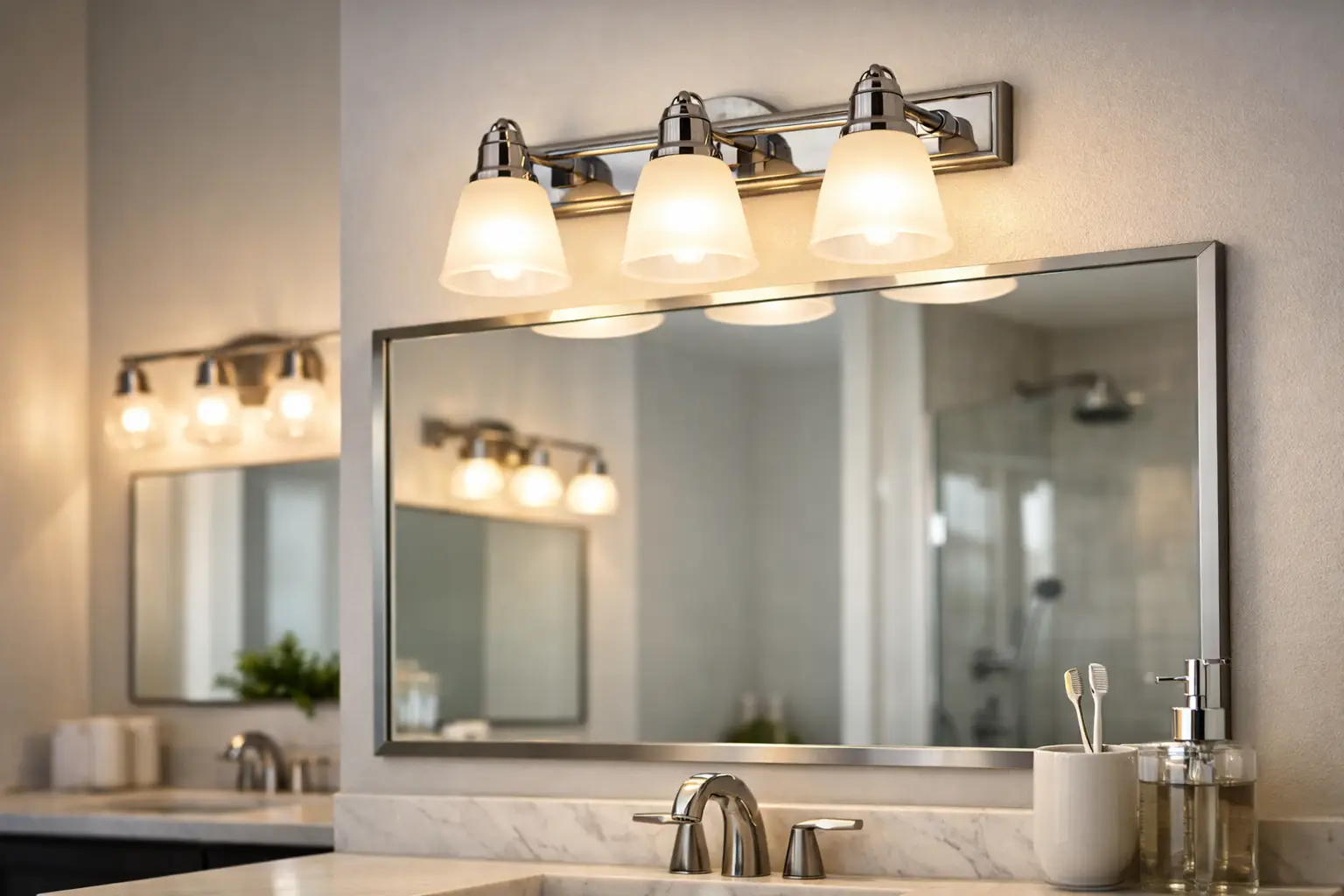
Underspending usually shows up at the front door, over the island, and at vanity lighting. Those are eye-level moments. Buyers notice them. Dark, flat, or obviously cheap fixtures in those areas can pull down the entire impression of the renovation.
The better strategy is targeted elevation. Make a few visible choices feel crisp and current, then keep the rest disciplined. That is how you source lighting with ROI in mind instead of shopping on instinct.
The fastest flips are not the ones with the flashiest fixtures. They are the ones where every light was chosen early, priced against the exit, and installed without drama. Spec with that standard, and your next project will show better, photograph better, and move with fewer surprises.







Leave a Reply