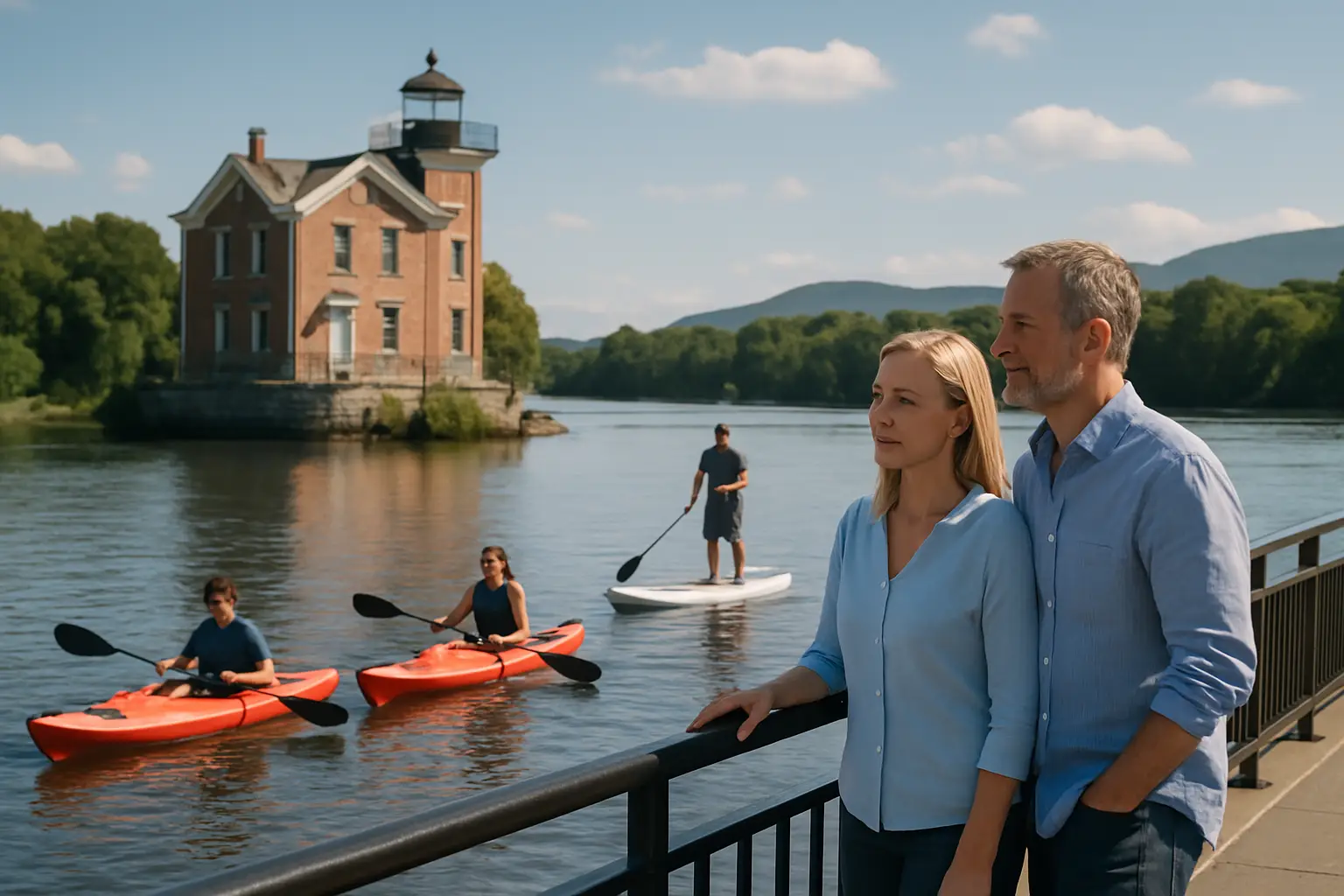
Saugerties is the kind of river town where a Saturday morning can look like this: coffee in the village, a quick walk to the Esopus Creek, then boats sliding past the lighthouse while you decide whether you are here to relax – or to underwrite a rental comp.
If you build, design, or invest in the Hudson Valley, the waterfront matters because it sells an everyday story. Buyers and renters pay for access, views, and the feeling that they can step outside and do something. This saugerties waterfront activities guide is written for pros who want to experience the river like a future client will, then translate that experience into smarter specs, tighter scopes, and higher-perceived value.
Why Saugerties’ waterfront converts (and what to look for)
The draw is not one single attraction. It is the stack: a working marina culture, a highly walkable village, and quick nature access that feels “weekend” without being remote.
From an ROI lens, the waterfront does two things well. First, it compresses your amenity pitch. Instead of selling a house as “near a lot of stuff,” you can sell it as “walk to the river, paddle after work, dinner by the docks.” Second, it gives you a clean design direction: durable, low-maintenance finishes that still read coastal-river modern.
Trade-off: true water adjacency can mean higher insurance scrutiny, more moisture management, and stricter permitting. For many projects, you do not need to be on the water to monetize it. You need to be close enough that guests will actually use it.
The waterfront zones, mapped for decision-makers
Saugerties’ experience splits into a few zones that matter for both lifestyle scouting and property positioning.
Village-to-creek walkability
The village core and the Esopus Creek area are where “car-optional” becomes a real selling point. If a guest can park once and still get coffee, browse shops, and walk to the water, your rental listing reads stronger and your staging photos feel more believable.
When you are touring, note sidewalk continuity, lighting levels at dusk, and how quickly the vibe shifts from commercial to residential. Those details predict whether visitors will actually walk – and whether your exterior lighting package should prioritize glare control and warm CCTs (2700K to 3000K) instead of bright, security-style flood.
Lighthouse and river edge
The Saugerties Lighthouse area is a signature image. Even if you are not on the lighthouse side of town, the lighthouse becomes a marketing anchor because it is a recognizable “I was here” destination.
Design takeaway: the lighthouse visit is all about texture and weather. Think salt-air-adjacent performance even though this is a river. Specify corrosion-resistant exterior hardware, PVC-trim where appropriate, and outdoor-rated fans for covered porches. A porch that reads “dry, breezy, and lit well” extends usable hours and photographs like an amenity.
Marinas and boat culture
Marinas and small-boat traffic give Saugerties a working waterfront feel rather than a theme-park riverwalk. That matters for higher-end renters and second-home buyers who want authenticity.
Investor angle: properties that can credibly serve “boat day” guests benefit from mudroom thinking. A simple, hard-working entry zone – washable runner, closed storage, hooks, and a utility sink if the layout allows – reduces turnover damage and makes your listing feel intentional.
A practical saugerties waterfront activities guide (with pro notes)
You are not here to build a scrapbook itinerary. You are here to test what guests will do and how that should shape your scope.
Walk the lighthouse route like a renter would
Do it at two times: late morning for daylight and late afternoon for the “golden hour” crowd. Pay attention to where people pause, where they take photos, and what backgrounds show up repeatedly.
Pro notes for your next project: if your property is positioned as “lighthouse-close,” prioritize an exterior moment that supports the same photo behavior. A clean front elevation light package, a simple address-number lighting solution, and a porch ceiling fan that reads premium in photos can make the arrival shot work as well as the destination shot.
Paddle the Esopus Creek (or at least watch the launch)
Even if you do not paddle, observe the logistics. Where do people park, carry gear, and change shoes? That tells you what a rental needs.
If your target guest is the casual paddler, your value is not providing kayaks. It is providing the frictionless prep zone: an outdoor spigot, a small bench, a hose bib that is easy to reach, and exterior path lighting that does not blind but does prevent missteps.
Bike and trail connections for “more than just a view”
Saugerties is a strong base for short rides and trail access that feels accessible to non-athletes. That broadens your guest profile.
Design and build implication: include secure bike storage that is not a garage-clutter nightmare. A small shed with a motion-activated light, or wall-mounted racks in a clean corner, is a cheap differentiator. It also reduces interior wear because bikes do not end up in hallways.
Waterfront dining: evaluate from a staging lens
Eat by the water once, but choose your seat strategically. You want sightlines: what does “river dining” actually look like in the real world – and what cues do people associate with it?
Most visitors are not analyzing architecture. They are absorbing a palette: warm wood, matte metals, simple glassware, and lighting that feels flattering. Translate that into your dining room spec. A dimmable fixture over the table, warmer lamps in corners, and a ceiling fan with clean lines can make interior dining feel like an extension of the waterfront, even when the house is not directly on it.
Sunset and night lighting: test the town’s baseline
Walk the waterfront at dusk. This is when people decide whether a place feels safe and inviting.
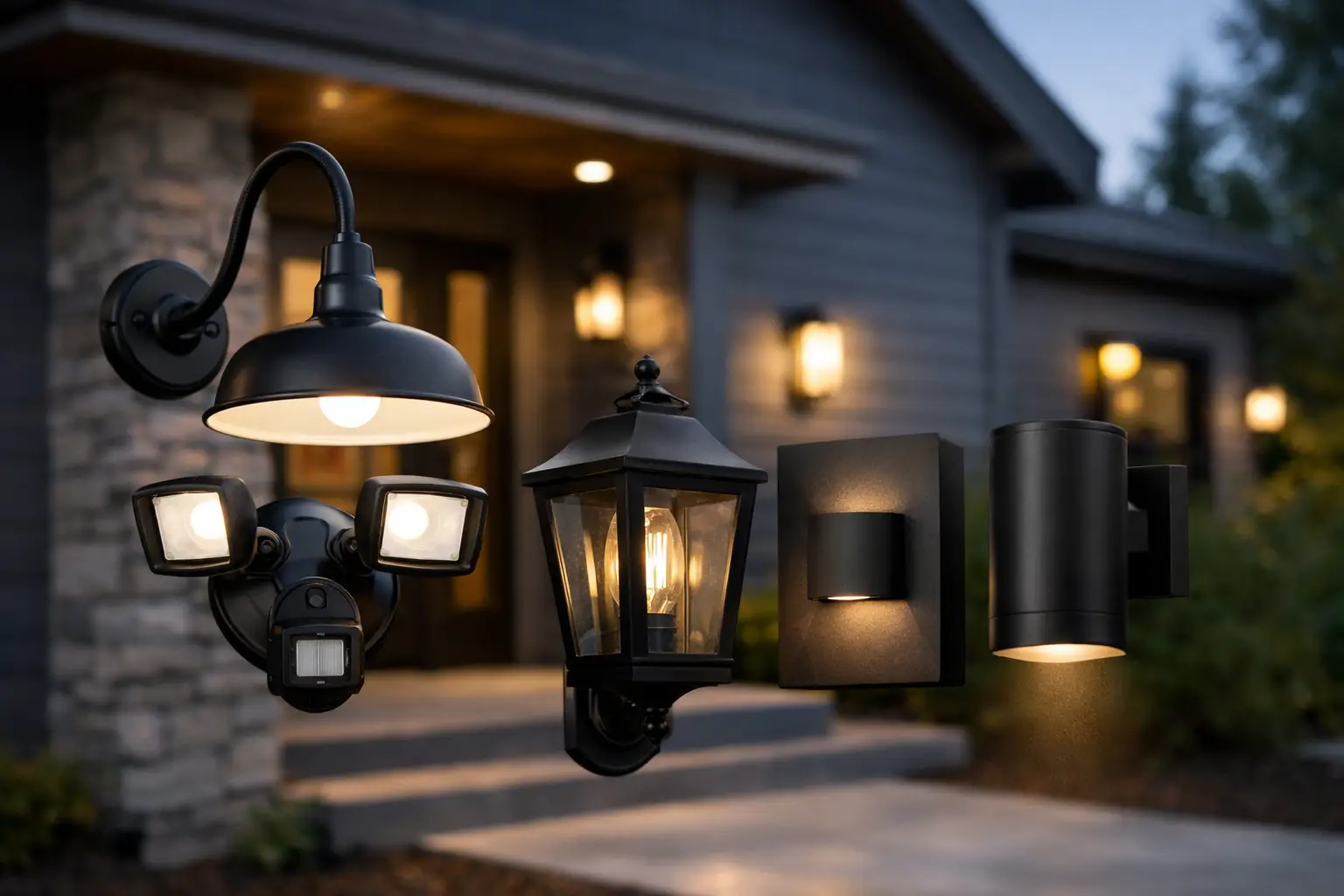
Use this as your benchmark for your own exterior lighting plan. Too many flips overshoot brightness and end up with harsh shadows and bug-attracting glare. A better approach is layered: step lights or low path lights, a porch fixture with controlled spill, and a warm, consistent color temperature. It reads higher-end, photographs better, and improves guest experience.
What to spec when the waterfront is the “amenity”
If you want the waterfront lifestyle to show up in your photos and reviews, you need a few targeted choices. Not expensive choices – correct ones.
Ceiling fans that earn their keep
Waterfront-adjacent guests open windows, cook more casually, and come and go all day. A good fan reduces HVAC complaints and makes a porch or sunroom usable longer.
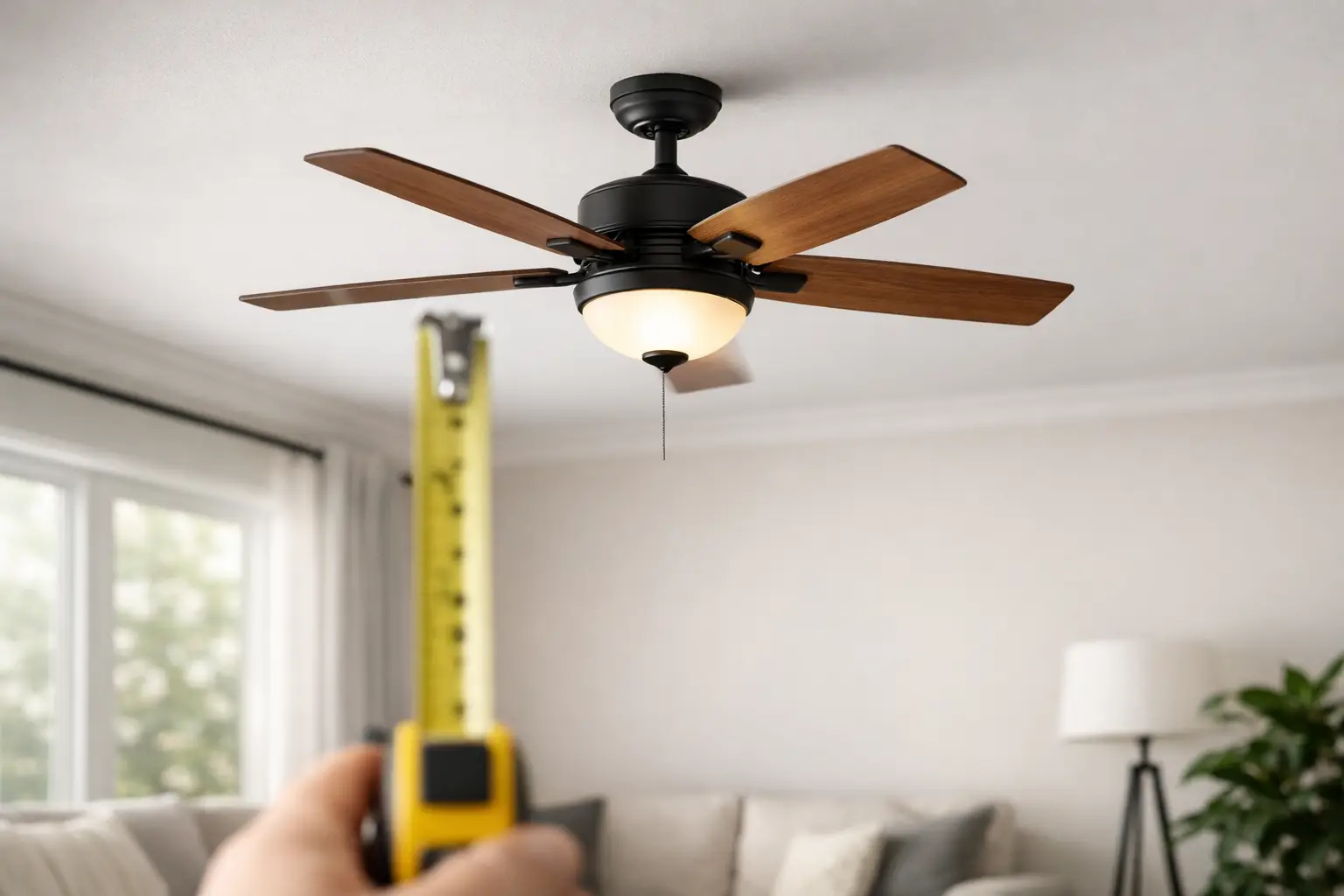
For interiors, aim for fans with strong airflow and quiet motors, especially in open living areas where noise kills perceived quality. For covered outdoor spaces, only use damp-rated or wet-rated fans as required by exposure. The payoff is practical: fewer comfort-related messages, better sleep reviews, and a more “finished” ceiling plane in listing photos.
Lighting that supports the river-town rhythm
Saugerties activities are morning-forward and sunset-forward. Your lighting should match.
Inside, prioritize warm dimming and glare control. Outside, prioritize reliable fixtures and thoughtful placement over big lumen numbers. If you are flipping, lighting is one of the fastest perceived-upgrade categories because it reads immediately at showings and in photos.
Materials that tolerate wet shoes and river air
If your target guest is doing waterfront things, assume moisture and grit. That means durable entry flooring, washable paint in transition zones, and hardware that does not look tired in one season.
It also means window treatments that handle sun without warping. Simple woven shades or performance fabrics keep the “coastal-river” look without turning maintenance into a cost center.
Local hotspots and a tight one-day itinerary (built for scouting)
If you have one day in Saugerties and you want maximum signal for minimum time, structure it like a site walk.
Start in the village for coffee and a quick walk to the creek to gauge true walkability and the pedestrian feel. Midday, focus on the lighthouse area or the river edge for the signature visuals and to see how visitors move through the space. In the afternoon, check out the marina zone and watch how people handle gear, parking, and transitions. Finish with dinner near the water and a dusk walk to evaluate baseline lighting and evening safety.
The point is not to do everything. The point is to leave with a shortlist of “this is what people come here for” moments you can recreate at your property: a porch they use, a dining space that photographs, a path that feels safe, and a fan and lighting package that quietly removes friction.
If you want more Hudson Valley location scouting like this – written for builders, designers, and investors who care about both lifestyle and specs – bookmark https://hudson-valley-review.com/ and pull ideas before your next acquisition walk-through.
The closing thought that helps on Monday morning
Use Saugerties as a reminder that you are not just renovating square footage. You are underwriting a routine. When your scope supports what people actually do at the waterfront – wet shoes, sunset walks, porch hours, gear drops – your design choices stop being “nice” and start producing fewer callbacks, stronger photos, and better reviews.







Leave a Reply