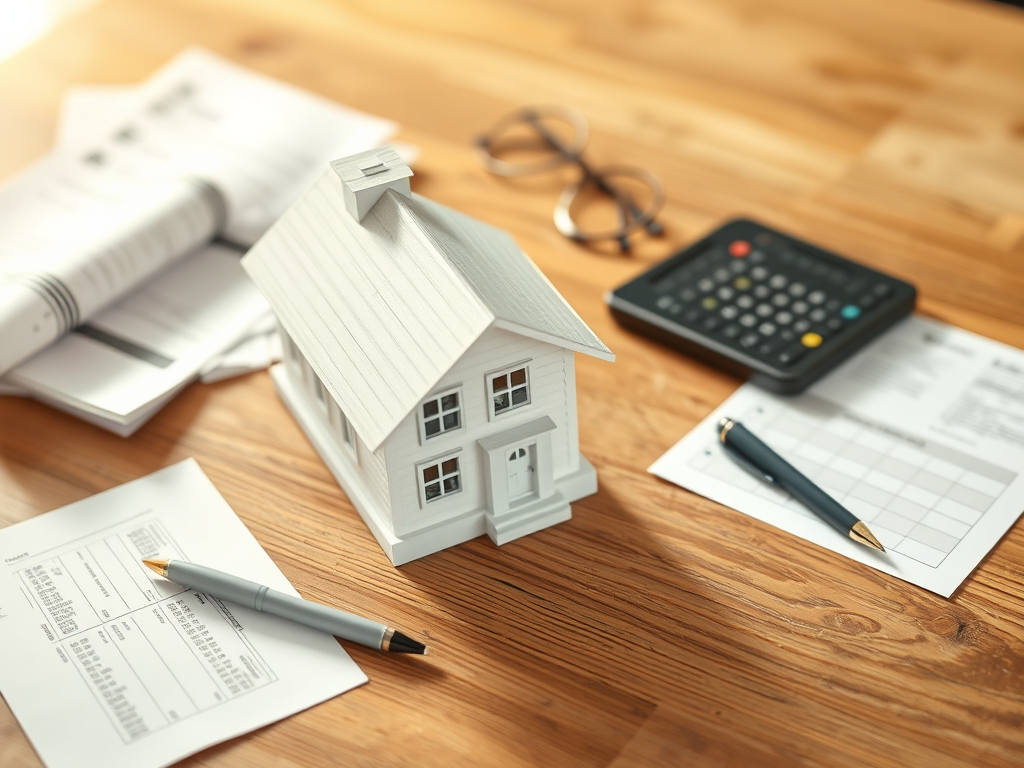
When you're getting ready for a home appraisal, it boils down to three simple things: gathering your paperwork, handling some quick-win repairs, and making sure the place looks sharp. A successful home sale often hinges on this crucial step. If you can pull together a list of your upgrades, fix that nagging leaky faucet, and spruce up the front yard to increase curb appeal, you’re already speaking the appraiser’s language and paving the way for a solid valuation that can help you get the best deal.
Your Pre-Appraisal Game Plan

Think of the appraisal as an expert's unbiased opinion on what your home is worth on the market. It's a make-or-break moment whether you’re selling your home, buying a new one, or refinancing. While the process itself is meant to be objective, how you prepare can absolutely make a difference. It's all about presenting your home in its best light, making sure no feature or improvement that could increase the price of your home gets missed.
Your goal isn't to pull a fast one on the appraiser. It's to make their job easier by giving them a clear, complete picture of your property's value. This goes beyond a simple weekend tidy-up; it’s about strategically focusing on the things that actually move the needle. An appraiser’s final number is built on hard facts, the home's visible condition, and what similar houses nearby have recently sold for.
The Big Three: Where to Focus Your Energy
To keep from feeling overwhelmed, just zero in on these three high-impact areas for buying and selling a home.
- The Paper Trail: Get all your documents in a row for any major improvements. We’re talking receipts, permits, and warranties for things like a new roof, an HVAC system, or a kitchen remodel.
- The Quick Fixes: Prioritize the small repairs that make a big impression. Fix that dripping tap, replace burnt-out light bulbs, and touch up any scuffed paint on the walls.
- The First Impression: Boost your curb appeal. A little landscaping goes a long way. Inside, make sure the house is clean, clutter-free, and bright.
Having an experienced pro in your corner helps, too. For some tips on finding the right person, check out our guide on how to choose a real estate agent in the Hudson Valley. A good agent has seen it all and can give you advice tailored to our local market.
A well-prepared homeowner hands the appraiser a clear story of the home’s value. It shows you’ve cared for the property and helps justify a higher valuation by making sure no positive detail is left to chance.
By concentrating on these key areas, you're not just cleaning up—you're showing pride of ownership and giving the appraiser the tangible proof they need to support the best possible value for your home.
At-a-Glance Appraisal Prep Checklist
Here’s a quick-reference table to help you prioritize. It covers the essential tasks to tackle before the appraiser knocks on your door.
| Category | Action Item | Why It Matters |
|---|---|---|
| Documentation & Info | Compile a list of all major upgrades with costs and dates. | Provides concrete evidence of value-added improvements that aren't obvious. |
| Repairs & Maintenance | Fix leaky faucets, running toilets, and sticky doors. | Shows the home is well-maintained and prevents minor issues from signaling neglect. |
| Curb Appeal | Mow the lawn, trim hedges, and add fresh mulch or flowers. | First impressions are powerful; a tidy exterior suggests a well-kept interior. |
| Interior Staging | Declutter all rooms, clean thoroughly, and maximize light. | Allows the appraiser to see the space clearly and assess the home’s features. |
| Systems & Safety | Test smoke detectors and ensure HVAC systems are working. | Functional safety and mechanical systems are critical components of a home’s value. |
This checklist isn't about a total overhaul. It's about smart, targeted prep that puts your home's best foot forward and helps the appraiser see its true worth.
Get Your Paperwork in Order to Document Your Home’s Value

An appraiser can only value what they can see and verify. Think of it this way: your paperwork is your secret weapon. It’s your chance to tell the full story of your home's worth and make sure every dollar you've put into it gets counted.
Don't just hand them a jumbled stack of receipts. Create a clean, detailed list of every major improvement and renovation you've completed. For each project, you'll want to note the completion date, how much it cost, and who did the work. This turns a simple to-do list into a professional record of your investments.
Key Documents to Have Ready
Your appraisal prep folder should be more than just a pile of papers; it needs to paint a clear picture of your home’s history and all the upgrades you’ve made.
- Your "Brag Sheet": Create a one-page summary of all the big upgrades. Think: "New Roof (2022) – $15,000 by ABC Roofing" or "Kitchen Remodel (2023) – $35,000 by Hudson Valley Kitchens." Speaking of which, understanding the kitchen renovation return on investment can really help you frame the value of those big-ticket projects.
- Permits for Major Work: Did you finish the basement, build an addition, or move a load-bearing wall? Have copies of the permits ready. This is non-negotiable proof for an appraiser that the work was done to code.
- A Recent Property Survey: Providing an up-to-date survey can head off any potential issues with property lines or easements. It gives the appraiser a crystal-clear map of your lot.
- Hyper-Local Comps: Ask your real estate agent to pull a list of recent, comparable home sales right in your immediate neighborhood. This is huge, especially if the appraiser isn't super familiar with your specific pocket of the Hudson Valley.
This kind of documentation is more important than ever. The appraisal industry is going through some big changes right now, with new reporting standards and technology rolling out. For example, the new Uniform Appraisal Dataset (UAD 3.6) requires appraisers to input way more structured data, which has led to a 20% increase in the time it takes them to finish a report.
When you walk in with organized records, you're not just making their job easier—you're streamlining a much more detailed process and helping them do their job accurately.
Pro Tip: Don't just hand over a messy folder. Put everything in a clean, organized binder or portfolio. It’s a small touch, but that professionalism sends a powerful message: you’re a diligent homeowner who has meticulously maintained this property. A great first impression starts before they even step inside.
Prioritize Repairs That Appraisers Notice

Here’s a hard truth: not all home improvements are created equal in an appraiser’s eyes. While that fresh coat of designer paint might make you happy, an appraiser is laser-focused on three core areas: safety, condition, and functionality.
Your goal isn't a full-scale remodel. It's about presenting a well-cared-for home where everything works exactly as it should.
This means you need to shift your attention away from purely cosmetic upgrades and toward the practical fixes that signal a healthy, structurally sound property. Think less about aesthetics and more about function. A dripping faucet, a running toilet, or a window that won’t close properly might seem like minor annoyances, but to an appraiser, they are giant red flags for deferred maintenance.
Tackle the Appraiser's "Red Flag" List
Appraisers are trained professionals, and they have a checklist of items they absolutely have to look for—things that could affect the home's livability or require expensive fixes down the line. Getting ahead of these is one of the smartest investments you can make before they arrive.
- Water Issues: Water is a home’s worst enemy. Hunt down and fix any leaky faucets, running toilets, or tell-tale water stains on ceilings or walls. These are immediate indicators of potential plumbing problems or even roof damage.
- Electrical Hazards: Check that every single light switch and outlet works. Make sure they all have proper cover plates. Any faulty electrical systems are a major safety concern that will definitely get noted in the report.
- Doors and Windows: Walk through your home and test every door. Does it open, close, and latch properly? Do the same for the windows. Make sure they can all be opened and are free of cracks or broken seals.
- Safety Systems: This one is non-negotiable. Test all your smoke and carbon monoxide detectors to make sure they're in working order. It’s a basic safety requirement that appraisers are required to verify.
Fixing these small things demonstrates responsible ownership and prevents the appraiser from having to make value deductions for necessary repairs. And while an appraisal is different from a home inspection, there's definitely some overlap. Our guide on what to look for during a home inspection can give you some extra context here.
Ignoring these repairs can have a massive financial impact. I’ve seen it happen. Industry reports show that homes with obvious deferred maintenance or safety hazards can see their appraised value drop by as much as 10-15% compared to similar properties in better shape. On a $500,000 home in the Hudson Valley, that’s a potential loss of $50,000 to $75,000. Want more detail? Check out these insights on how appraisers value home conditions.
An appraiser's job is to assess the current market value based on the home's existing condition. By fixing what's broken, you remove any reason for them to lower their valuation due to required repairs.
When it comes down to it, your prep work should focus on presenting a home that is safe, functional, and move-in ready. A smooth-running HVAC system will always impress an appraiser more than a trendy new light fixture. By prioritizing these essential repairs, you're not just fixing small problems—you're actively protecting your home's value.
Maximize First Impressions with Curb Appeal and Staging

The second an appraiser pulls up to your curb, their evaluation has already started. That first glance—your home's curb appeal—really sets the stage for their entire visit. It’s a powerful first impression that can subtly shape their view of your property’s overall condition and ultimately increase the price of your home.
It’s not just about looking nice; a well-kept exterior sends a clear message. Put yourself in their shoes: a neat lawn, clean siding, and a welcoming front porch all suggest a home that's been cared for. That unspoken signal hints that the inside is probably in good shape, too.
High-Impact Exterior Touch-Ups
You don't need a full landscaping crew to make a real difference. A single weekend of focused work on your curb appeal can completely transform your home's first impression.
- Scrub Everything Clean: Renting a pressure washer for an afternoon is a game-changer. Blasting the grime off your driveway, walkways, and siding can make the whole place look years younger.
- Bring in Some Color: A fresh coat of paint on the front door is one of the best returns on investment you can get. Throw down some fresh mulch in the garden beds and add a couple of colorful potted plants near the entrance for an instant lift.
- Mind the Little Things: Make sure your house numbers are polished and easy to read. Fix any cracked pavers in the walkway and swap out any burnt-out bulbs in your exterior lights.
Create Space and Light Inside
Once the appraiser steps through the door, their attention shifts to the home's layout, condition, and flow. Your job is to make it as easy as possible for them to see the best parts of your house without any distractions. The name of the game is spacious, bright, and spotless.
An appraiser needs to get a clear sense of the home’s structure and flow. Clutter doesn't just shrink a room; it can hide important features like outlets, windows, and the condition of the floors, which could quietly chip away at your valuation.
Start by decluttering every room. I don't just mean tidying up—I mean seriously editing. Pare down excess furniture, pack away personal photos, and clear off every countertop. Then, open every blind and curtain to flood the space with natural light and turn on every single light in the house, even if it's a bright day.
To really put your best foot forward, using some essential staging tips for selling your home can have a huge impact on the appraiser’s final impression. Small moves, like arranging furniture to create a better flow or adding a neutral throw blanket, help them see the property's full potential.
And a deep clean is absolutely non-negotiable. Pay extra attention to kitchens and bathrooms, as these areas always get a close look. When you present a home that’s clean, bright, and welcoming, you’re showing its true value.
Help the Appraiser with Comparable Sales Data
An appraisal isn't just a verdict on your home's condition; a huge chunk of it comes down to what similar homes in your immediate area have sold for recently. These are called "comparable sales," or comps, and they are the absolute backbone of your home's valuation. While appraisers are pros at digging up this data, you can—and should—play a part by doing a little homework yourself.
Think about it: who knows your block better than you do? You’re the one who knows the house down the street sold off-market to a cousin for a steal, or that the one on the next street over fetched a wild price because it had a brand-new, high-end ADU out back. This kind of hyper-local intel is gold, helping the appraiser paint a far more accurate picture of value.
What Makes a Good Comp
Not every sale in your zip code is a useful comparison. In an appraiser's eyes, a strong comp needs to be a near mirror image of your property across several key factors. When you start your research, hunt for homes that line up with yours in these areas:
- Location, Location, Location: The closer, the better. Ideally, you want homes within a one-mile radius.
- Timing is Everything: Focus on sales that closed within the last three to six months. Any older, and the market may have shifted.
- Apples to Apples: Look for homes with similar square footage and the same number of bedrooms and bathrooms.
- Condition Matters: A gut-renovated home isn't a fair comparison to a property with its original 1970s kitchen, even if they're neighbors.
- Features and Amenities: Try to find properties with similar perks, like a swimming pool, a finished basement, or a two-car garage.
Pulling together a few well-researched examples that back up your home's value gives the appraiser a solid starting point. A strong, relevant comp can be a game-changer, especially if that final valuation is what you need to successfully negotiate the best home price.
Why Your Research Matters More Than Ever
Finding solid comps right now is a real challenge for appraisers, and it's not their fault. In many pockets of the Hudson Valley, low inventory means there are just fewer recent sales to pull from, which seriously complicates the valuation process. This scarcity of data means appraisers are spending way more time just trying to find relevant information.
The time it takes to pull and analyze comps has ballooned from 30-60 minutes to an average of 3-5 hours. This is driven in part by a 25% decrease in home sales in some areas. Appraisers are being forced to look at older sales or cast a wider net. While FHA guidelines prefer comps less than 12 months old, in some markets they have no choice but to use sales from 18-24 months ago, which makes adjusting for market shifts a much trickier task.
When you offer a thoughtful, well-organized list of recent sales, you can help cut through the noise and make sure the best data gets on their radar. You can read more about the challenges of pulling comps on the Sacramento Appraisal Blog.
Be a resource, not a salesperson. When the appraiser arrives, politely offer your packet and say something like, "To make things easier for you, I've put together some info on our home's updates and a few recent sales nearby." Then, give them space to do their job.
This helpful, professional approach shows you’re an informed homeowner, and it arms the appraiser with everything they need to determine your home’s true market value.
Navigating the Home Appraisal Process
https://www.youtube.com/embed/mFmbeCO9OAg
After all the time and effort you’ve poured into getting your home ready, the actual appraisal can feel a little intimidating. It’s totally normal to have questions about what’s next. Think of it less like a final exam and more like the last big checkpoint in the process of buying and selling a home.
Let's pull back the curtain on what really happens on appraisal day and how to handle whatever comes your way.
What to Expect on Appraisal Day
Honestly, the appraiser's visit is usually quicker and less dramatic than most people imagine. They're not there to critique your design choices; they’re an impartial third party focused on one thing: collecting objective data about your property.
When they arrive, they'll do a full walkthrough of your home, inside and out. But this isn't a home inspection—they won't be testing every single light switch or checking the water pressure. They're looking at the bigger picture.
- Measurements and Layout: They'll measure the home's exterior to calculate the official gross living area and sketch a floor plan. This is how they verify the square footage and room count.
- Condition and Features: They’re taking notes on the overall condition, the quality of the construction, the materials you've used, and any standout features. A recently renovated kitchen or a classic bluestone fireplace? They’ll be looking for that.
- Photographic Evidence: Expect them to take plenty of photos. They need pictures of every room, the front and back of the house, and even the street view for their report. It's all about documenting their findings.
- System Checks: They will do a quick check to make sure the essential systems, like your heating and plumbing, are up and running.
Your job during the visit is simple: be a helpful resource, but don't hover. Have your packet of documents ready to hand over, answer any questions they ask directly, and then just give them the space to do their work. The on-site part of the process usually wraps up in about 30 to 60 minutes.
When the Appraisal Comes in Low
It's the call no one wants to get: the appraisal came in below the sale price. It’s a gut punch, for sure, but it doesn't automatically mean the deal is off the table. The first thing to do is take a breath and then carefully go through the entire report with your real estate agent.
You're looking for factual errors. Sometimes, mistakes happen. Did they list three bedrooms when you have four? Is the square footage wrong? Did they completely miss that brand-new HVAC system you just installed? These are legitimate mistakes and are solid grounds for a Reconsideration of Value (ROV).
If the report is factually sound, you've still got moves to make. The buyer might be able to bring more cash to the table to cover the difference. You and the buyer could renegotiate the price, or maybe even agree to meet in the middle. In some situations, getting a second appraisal is an option, but that will depend on the lender's rules.
A low appraisal isn't a final verdict on your home's worth—it's just one professional's opinion on a specific day. Your first and best move is always to scrub that report for any inaccuracies.
Understanding the Timeline
From the moment the appraisal is ordered to the day you get the final report, the whole thing usually takes about one to two weeks. The appraiser's visit to your home is just one piece of the puzzle.
After they leave, they have to do the heavy lifting: researching comparable sales in the area, analyzing all the data they collected, and compiling everything into a comprehensive formal report. That part of the process can easily take a few days on its own.
Navigating the real estate market in our region comes with its own unique set of challenges and opportunities. For more locally-focused advice and practical guides, from buying your first home to finding the best spots for dinner, Hudson Valley Review is here to help. Explore our articles at https://hudsonvalleyreview.wordpress.com.







Leave a Reply