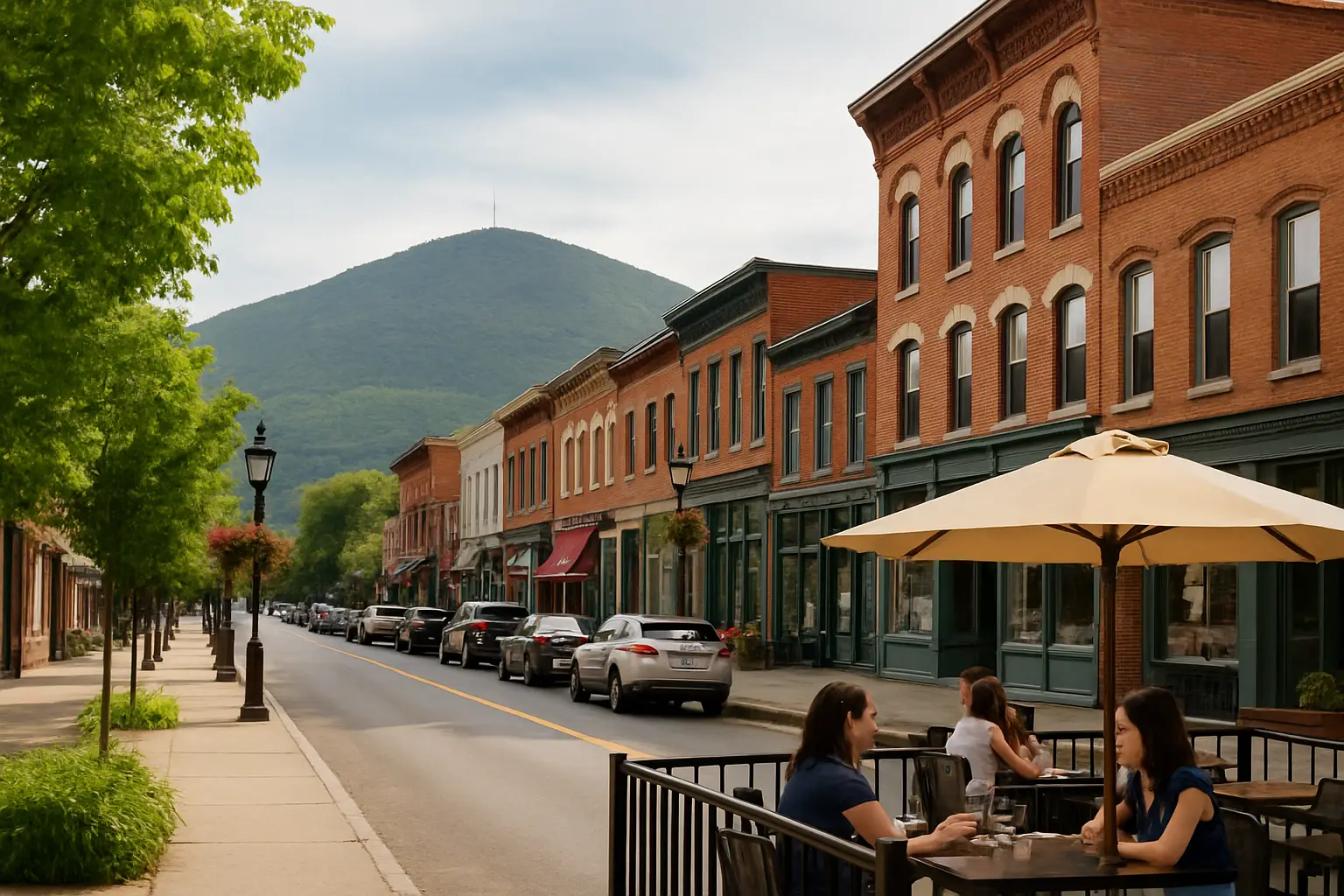
You can tell a lot about a market in 48 hours if you pay attention to what’s being built, what’s being restored, and what people line up for on a Saturday morning. Beacon is one of those Hudson Valley towns where the “weekend trip” version is obvious – Dia, Main Street, a hike – but the pro value is in the details: how old brick is being repointed, how small retail uses lighting to sell, how a riverfront town can feel both historic and current.
If you’re scouting for a flip area, refining a short-term rental spec, or just need fresh staging ideas that don’t look like every other Pinterest board, this guide is built for you. Here are Beacon NY things to do weekend-style, with an eye toward what you can steal (ethically) for your next project.
Why Beacon works as a “design reconnaissance” weekend
Beacon’s weekend energy is fueled by three things: walkability, a strong arts anchor, and a steady flow of NYC visitors who expect good coffee and good lighting. That combination pushes local businesses to invest in interiors – and it shows.
You’ll see a lot of older building stock with updated MEP decisions hidden behind clean finishes. That’s useful if you work in renovations: the town is a live demo of what “historic shell, modern performance” looks like at a small commercial and residential scale.
Trade-off to keep in mind: Beacon is popular, and popularity compresses timelines. Restaurants book up, parking fills, and contractors can be scheduled out. Treat it like a jobsite walk: plan your route, hit key stops early, and build in a buffer.
Friday evening: arrive, orient, and read the streets
Start on Main Street as golden hour hits the storefronts. This is your fastest way to understand Beacon’s mix: older facades, modern signage, and interiors designed to handle heavy weekend volume.
Dinner anywhere in the downtown core does two things for pros. First, you get a crash course in lighting temperature choices. Many Beacon restaurants lean warm, but not yellow – typically in that flattering zone that makes skin tones look good and keeps wood and brick from going muddy. Second, you get to observe acoustics. If a place is packed and still feels comfortable, it’s probably using soft goods, wall treatments, or ceiling strategies worth noting.
If you’re traveling with a client or partner, pick one place with a moody, dimmed dining room and one brighter, all-day cafe style spot. Seeing both in the same weekend sharpens how you specify layers: ambient, task, and accent.
Saturday morning: the Main Street loop (and what to look for)
The classic Beacon weekend starts with coffee and a walk, but treat this loop like a showroom run. Go early, before crowds force you into slow browsing.
As you move block to block, look up. A lot of the best “feel” in Beacon retail comes from ceiling decisions: pendants dropped to human scale, track heads aimed at product instead of faces, and in some cases fans used as a comfort signal rather than a statement piece.
This matters for residential ROI because the same principles sell houses. If you’re staging a flip, your lighting doesn’t need to be expensive – it needs to be intentional. A consistent color temperature across adjacent spaces and a few strong focal fixtures beat random builder-grade disks every time.
Quick pro takeaway: steal the retail playbook
Retail succeeds when it makes people linger. For your next project, apply the same logic: add a warm, dimmable layer in living spaces; add crisp task light where decisions happen (kitchen, vanity, desk nook); then add one or two “gallery moments” that make photos pop.
Late morning: Dia Beacon for scale, light, and pacing
Dia Beacon is the obvious stop, and it’s still the right one. Not just for the art – for the building. The space teaches you how daylight behaves across large volumes and how a neutral envelope can carry drama without needing busy finishes.
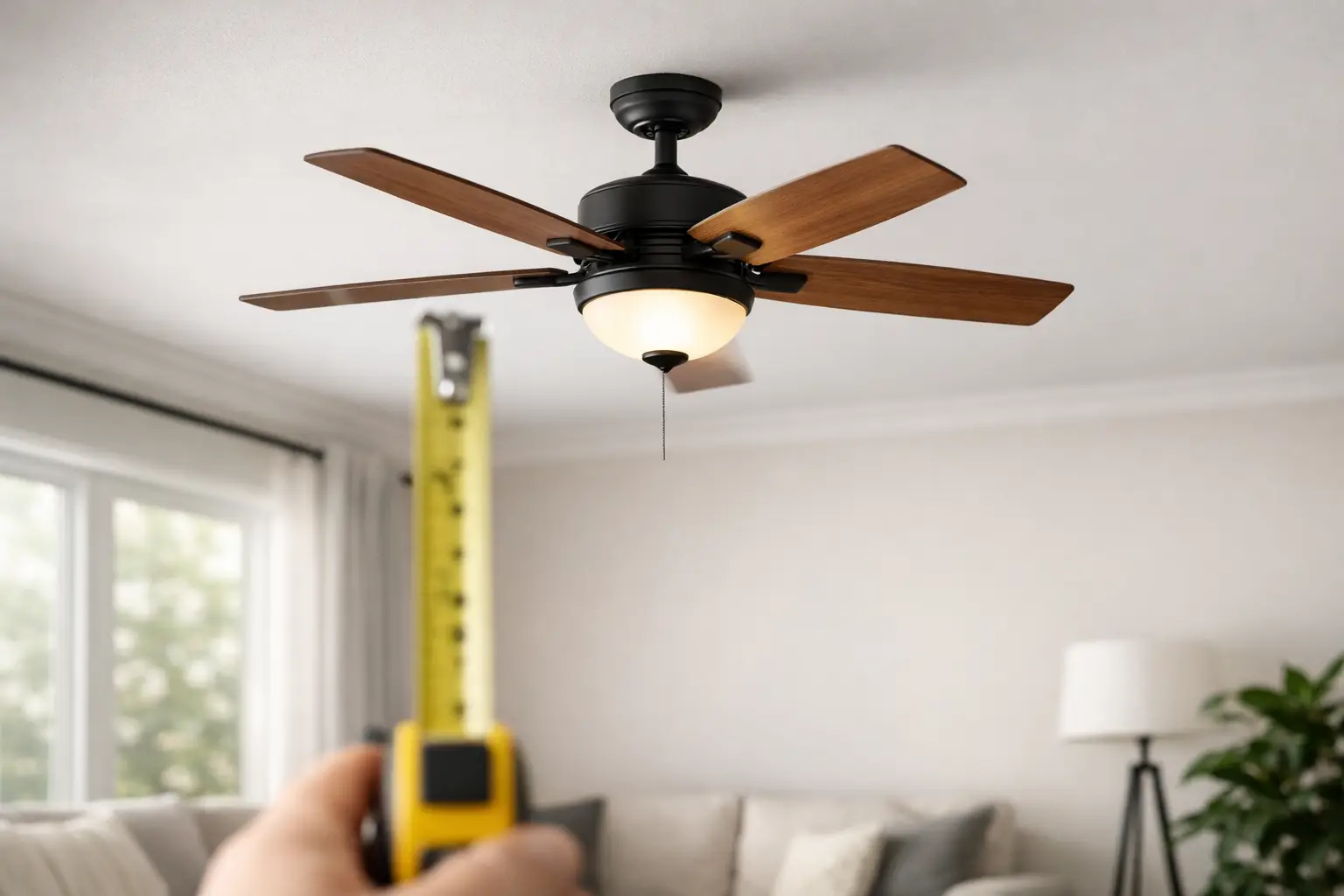
If you build or design, you’ll recognize a lesson you can use immediately: big rooms don’t need more stuff, they need better proportion and fewer, stronger elements. That’s the same logic behind specifying an appropriately sized ceiling fan for a high-ceiling living room rather than trying to “solve” comfort with vents, small fans, or portable units.
It also reinforces pacing. The way you move through Dia is deliberate, and you feel it. In residential terms, that’s circulation. If your flip’s layout feels choppy, no amount of trendy tile will fix it. Beacon’s best interiors tend to keep sightlines clear and let one feature do the work.
Saturday afternoon: choose your “outside” based on what you’re measuring
Beacon gives you two different weekends depending on your goal: sweat and views, or water and calm. Either is valid. It depends on whether you’re scouting the town’s outdoors appeal for rental demand or just resetting your own brain.
Option A: Mount Beacon for the quick demand check
The Mount Beacon hike is a reliable test of what visitors will do for a view. If the trail is busy, that’s a demand signal. For investors, it’s another data point for short-term rental occupancy. For builders and designers, it clarifies what to emphasize in a property: mudroom function, durable flooring, and a place to drop gear.
Trade-off: hiking crowds can be real, and parking can be the limiting factor. If you’re using the weekend to evaluate “guest experience friction,” this is a great place to feel it firsthand.
Option B: the waterfront for the livability read
If you’d rather measure livability than adrenaline, head toward the riverfront. Waterfront areas are where you see what kinds of public investment a town supports: paths, benches, lighting, and event-friendly spaces.
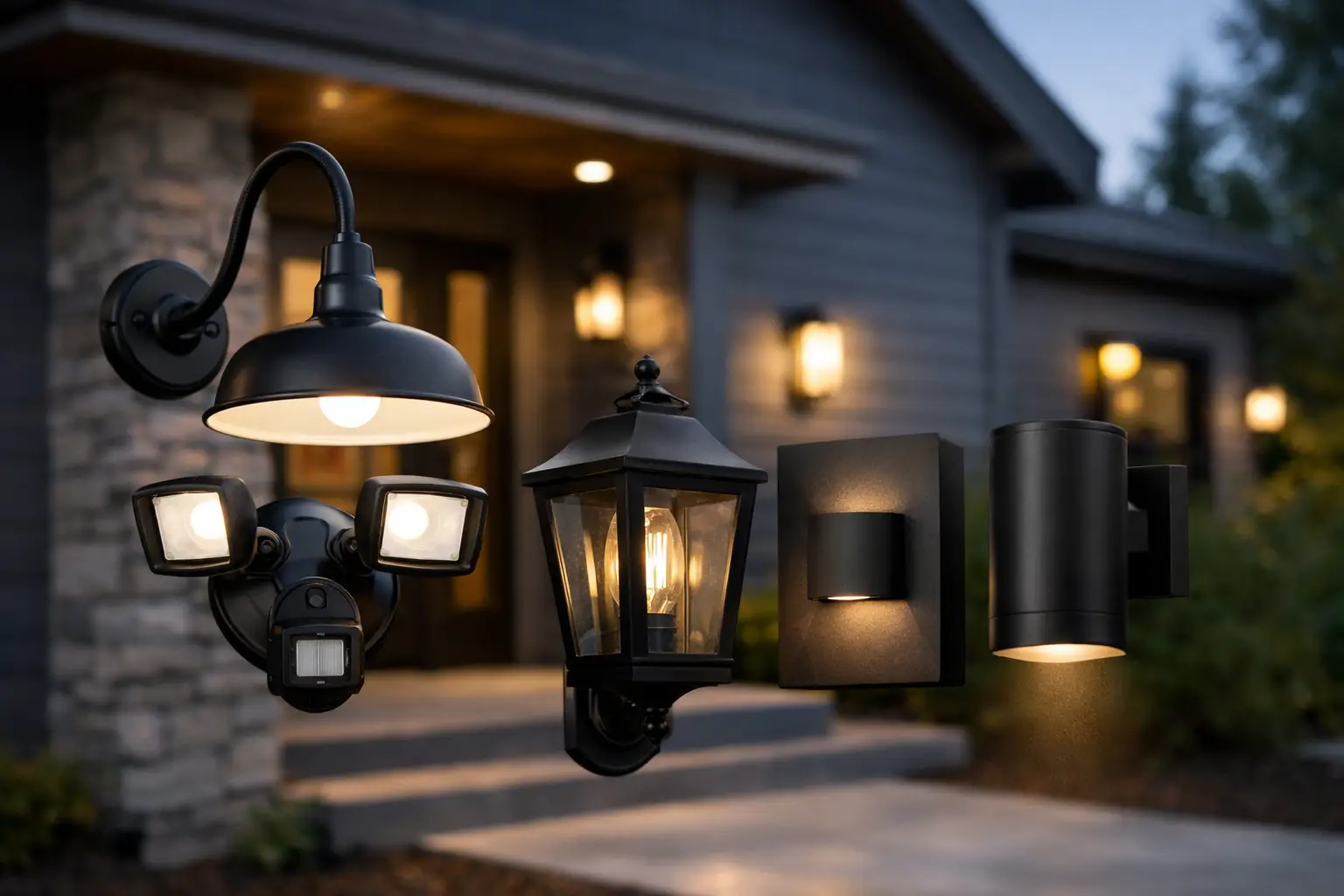
Pay attention to exterior lighting choices and pole spacing. Municipal lighting sets an expectation. When you’re designing a front approach for a house or small multi, you’re trying to meet or exceed what people experience outside. Under-light a walkway in a well-lit town and it reads as cheap or unsafe, even if the interior is beautiful.
Saturday early evening: eat like a local, then look at hardware
Saturday night is for dinner, but carve out time for one more pro move: pop into a few shops that sell home goods, vintage pieces, or art. Beacon’s retail mix often leans curated, not mass. That’s helpful for staging because it shows what “collected” looks like without going cluttered.
If you’re staging for photos, prioritize items that read on camera: large-scale art, simple ceramics, and lighting with a clear silhouette. The goal isn’t to decorate. The goal is to signal quality quickly.
One more practical note: when you see a fixture you like in a small shop, don’t assume it’s easy to source at scale. For flips and builder work, you want repeatable SKUs, consistent lead times, and warranty support. Let Beacon inspire the look, then spec the reliable version.
Sunday morning: the neighborhood drive (for investors and builders)
Sunday is when you get out of the Main Street bubble. Drive a loop through residential areas and look for three things: rooflines and drainage details, porch and entry conditions, and the age mix of windows and siding.
These are fast tells for capex risk. A street with lots of new roofs but older windows suggests owners are prioritizing the big leaks first, which may mean the next buyer will be sensitive to window performance. A street with consistent porch rehab suggests the town values curb appeal, which is good for resale – but it can also mean stricter review for exterior changes.
If you’re an investor, take notes on parking, lot sizes, and how close properties sit to the walkable core. If you’re a designer, pay attention to the most common exterior colors and materials. Town “visual norms” influence what feels high-end versus out of place.
Sunday midday: a final walk-through, this time for lighting cues
Before you leave, do one more short downtown walk with a single goal: find lighting choices you can translate into your own work.
Look for where pendants are hung in relation to tables, how sconces frame mirrors, and whether spaces rely on recessed lighting or avoid it. Beacon businesses that photograph well usually have two things: dimming control and a mix of sources at different heights.
If you want to improve staging ROI quickly, start there. Dimmers cost little compared to the value they add in perception. Mixed-height lighting makes rooms feel intentional even when the furniture is minimal.
If you need a steady feed of Hudson Valley market notes and project-minded destination intel, bookmark Hudson Valley Review and treat it like a recurring site walk – the best ideas are the ones you can reuse with confidence.
Where this weekend helps your next project (and where it doesn’t)
Beacon is excellent for visual calibration: what feels current, what feels overdone, and how to keep historic character while modernizing function. It’s also strong for understanding buyer and guest expectations in a popular weekend market.
What it won’t do is hand you a cheap, wide-open opportunity. If your investment model depends on low competition and deep discounts, Beacon may be better as a comps-and-demand lesson than as your acquisition zone.
For builders and designers, the sweet spot is using Beacon to refine a spec that sells: solid materials, simple palettes, and lighting that’s layered and controllable. For investors, the sweet spot is learning what guests pay for: walkability, comfort, and interiors that look good in a thumbnail.
The helpful move on the drive home is simple: pick one thing you saw that worked – a pendant height, a warmer lamp choice, a clearer entry sequence – and put it into your next scope before it turns into another screenshot you never use.







Leave a Reply