
You can tell a lot about a Hudson Valley project before you ever walk the site. The median home price in Hudson Valley towns isn’t just a headline number – it hints at buyer expectations, appraisal ceilings, renovation tolerance, and how aggressive you can be with finish selections.
For builders, designers, and investors, the practical question is not “Which town is cheapest?” It’s “Which towns support my scope, my timeline, and my exit price without forcing over-improvement?” This guide frames median pricing as a decision tool, then ties it to specs that actually move the needle – especially lighting and ceiling fans, where ROI and install speed can be surprisingly strong.
What median price really tells you (and what it hides)
Median sale price is the middle of the market. Half the homes sell for more, half for less. That makes it more stable than an average when a few luxury closings skew the math.
Still, the median can hide important context. In a town with limited inventory, one month of waterfront or historic-stock closings can lift the median without meaning the whole market moved. A town with lots of condos can show a lower median than a nearby town dominated by single-family colonials, even if the buyer pool and demand are similar.
Use median price as your first filter, then stress-test it with three field checks: the dominant housing type (condos vs. detached), the proportion of cash buyers (often higher near lifestyle hubs), and whether the market is driven by commuters or second-home demand. Those factors influence how far you can push a reno and where you should stay conservative.
Median home price Hudson Valley towns: realistic bands by submarket
Exact medians move quarter to quarter, so for planning and underwriting, price bands are more useful than pretending a single number will hold. The Hudson Valley also behaves like several markets stitched together by the river.
Upper tier: $800k to $1.5M+ medians
Think Rhinebeck, Hudson, parts of Woodstock, Millbrook, and waterfront pockets that trade on brand, walkability, and weekend appeal. Buyers here expect design intention. They will pay for cohesive lighting plans, upgraded electrical, and quiet mechanicals – but they also notice when you miss the basics.
For pros, the biggest risk in these towns is not spending too much. It’s spending in the wrong places. A $40k kitchen that looks generic is dead money. A well-composed lighting spec that makes the home photograph like a boutique rental can out-perform it.
Mid tier: $450k to $800k medians
This is where a lot of “doable” projects live: Beacon, Cold Spring, Kingston, New Paltz, parts of Poughkeepsie and Wappingers Falls, plus several river towns with solid schools and commuter access. Buyers are value-aware but still design-literate, especially in walkable downtowns.
In this band, the premium is usually earned through execution speed and clean choices: durable finishes, consistent fixture families, and no weird transitions. You can win with a predictable playbook.
Entry tier: under $450k medians (and the pockets within)
You’ll see more of this in parts of Newburgh, Peekskill, some inland hamlets, and smaller towns farther from train lines. These markets can be excellent for yield, but the buyer pool is more payment-sensitive. Appraisal discipline matters and over-improvement is a real threat.
The upside is that basic competence sells. If you deliver bright rooms, safe electrical, and updated fans that don’t wobble or hum, you separate from the pack without blowing budget.
Why price band should dictate your spec strategy
Median pricing shapes what buyers interpret as “normal.” In an $850k median town, a cheap builder-grade dome light reads like negligence. In a $350k median pocket, a $1,200 statement chandelier can look like you raided the wrong showroom.
The goal is not to cheap out or splurge. The goal is to align: meet the market on durability and visual clarity, then spend on the few elements that create perceived quality fast.
Lighting and ceiling fans fit that brief because they show up in every photo, every showing, and every inspection. They also solve comfort complaints that drag negotiations – overheated upstairs bedrooms, dim kitchens, and flickering old cans.
Town profiles: what the median price implies on-site
Instead of pretending every municipality is the same, use these profiles as a starting point. They’re written for decision-making – what buyers tend to reward, and where projects get punished.
Beacon and Cold Spring: commuter polish with taste
These towns skew toward design-forward buyers who still want practicality. If you’re flipping, your fastest wins are lighting layering and consistent hardware. Kitchens and baths should be clean and current, but the “wow” often comes from the dining pendant, the entry fixture, and a fan that looks intentional, not like an afterthought.
Spec tip: prioritize dimmable LED throughout and pick fan finishes that match your faucet and cabinet hardware story. Matte black, warm brass, and brushed nickel all work if you commit.
Kingston: neighborhood-by-neighborhood underwriting
Kingston has a wide spread. Median pricing can mislead because the city includes very different submarkets. Your spec needs to match the exact neighborhood and street behavior.
Spec tip: if the home has higher ceilings or older stock, use low-profile fans that don’t visually crowd the room. In tighter spaces, choose fixtures with a cleaner silhouette and fewer glass components to reduce install time and call-backs.
New Paltz: small-town premium, rental-aware
New Paltz pricing reflects both lifestyle demand and the presence of students, visiting families, and short-term rental interest in surrounding areas. Buyers often like airy, nature-adjacent design.
Spec tip: think “bright and breathable.” Fans with strong airflow and quiet motors help upstairs bedrooms and sunrooms, especially in homes without perfect ducting. That comfort translates to better reviews for rentals and better showing impressions for resales.
Poughkeepsie and Wappingers Falls: value buyers, condition matters
These areas can support solid ARV when you keep the scope tight and the execution sharp. The market tends to reward move-in-ready basics more than exotic finishes.
Spec tip: spend your money on correct lighting placement and consistent color temperature. A home that reads evenly lit, without blue-white bulbs in one room and yellow in the next, feels newer than it is.
Hudson and Rhinebeck: brand towns, photography towns
These are places where presentation becomes part of the asset. Median prices are elevated because buyers are buying an identity as much as a structure.
Spec tip: build a lighting plan that stages itself. Statement pendants in the right rooms, wall sconces where they add rhythm, and exterior lighting that makes the facade look composed at dusk. Also, pick fans that look architectural – simple, large-diameter, and finish-matched.
The ROI moves that usually pencil in Hudson Valley renos
If you’re chasing spread, focus on upgrades that hit buyer emotion and inspection reality at the same time.
Lighting is the cleanest example. A dated home with fresh paint can still feel tired under old fixtures. Swap in coordinated fixtures and suddenly the same room reads intentional. The labor is predictable, the material cost is controllable, and the impact shows up in listing photos.
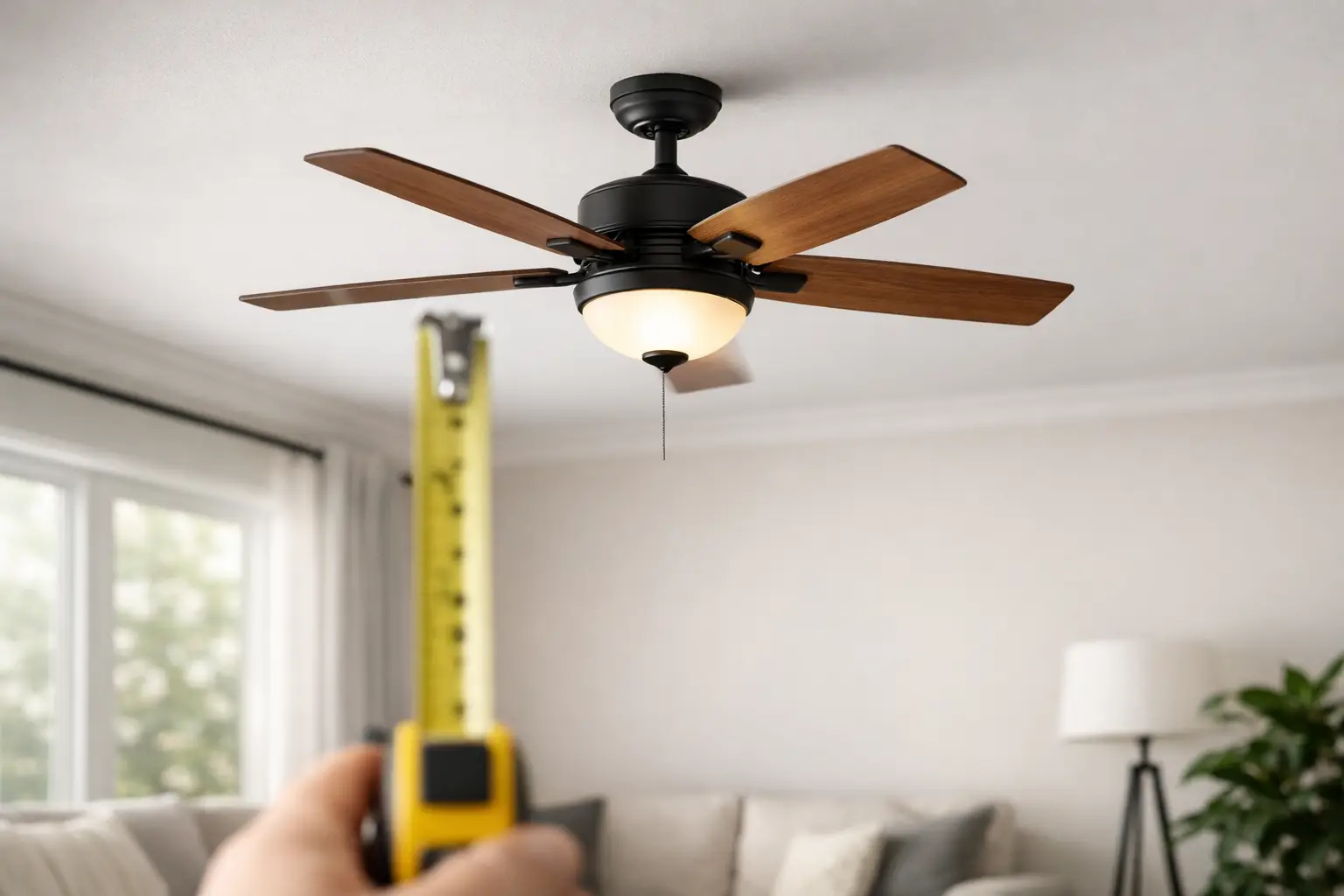
Ceiling fans are similar, especially in older housing stock and top-floor bedrooms. They signal comfort and lower operating cost. In price bands where central air is inconsistent, a quiet fan with good airflow can reduce buyer objections. For builders, fans also cut HVAC load conversations because the comfort story is easier to tell.
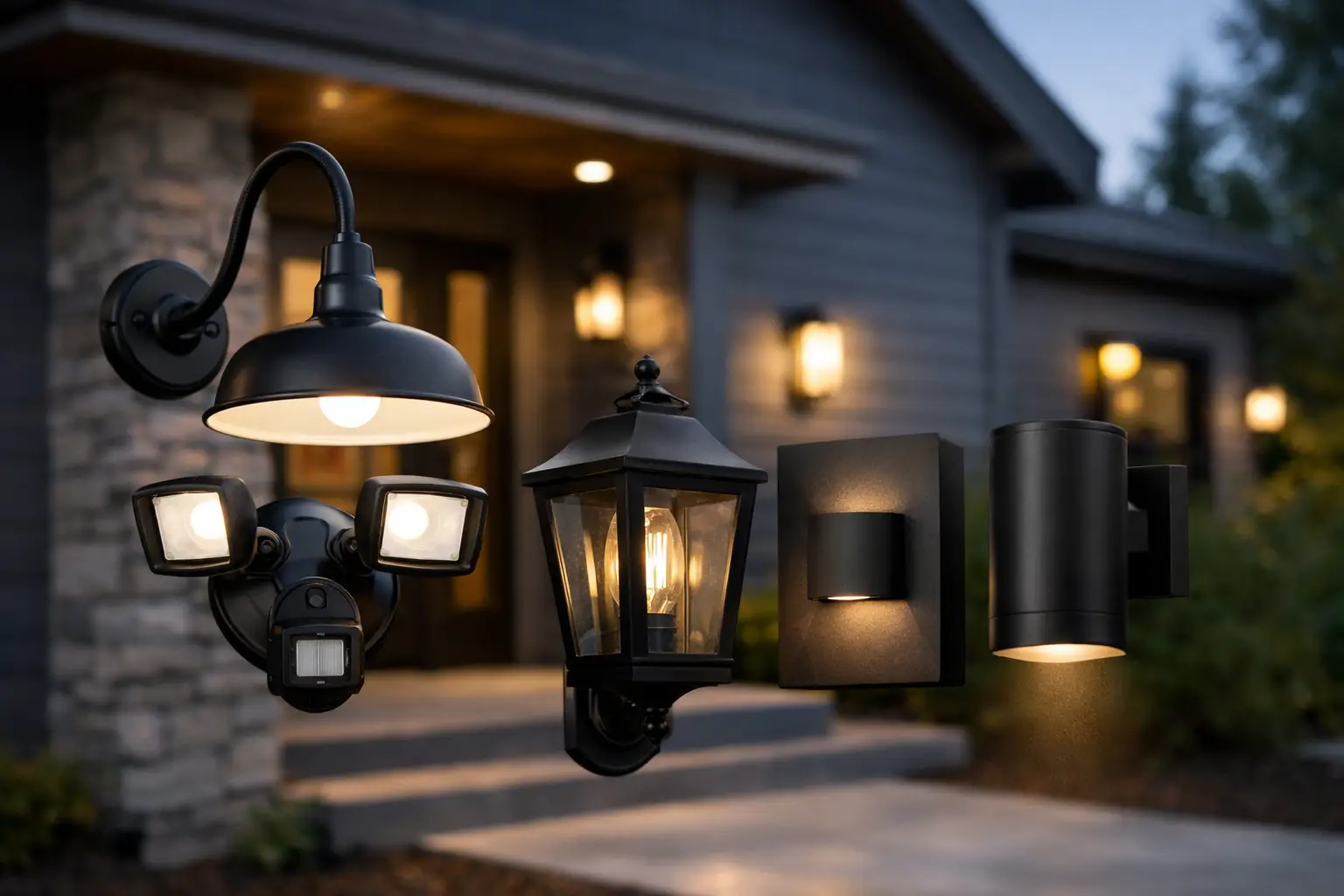
Exterior lighting is the sleeper. In towns where buyers arrive for evening showings after city commutes, curb appeal at dusk is not theoretical. It’s the first impression.
A pricing-aware spec checklist (use this before you order)
When you’re mapping median home price Hudson Valley towns to a fixture plan, keep it tight and repeatable. Four questions prevent most budget drift.
First, what is the likely buyer persona at this median – commuter primary, weekend buyer, or value-first local? Second, what finish story dominates the neighborhood right now – black, brass, or nickel? Third, what is the ceiling height reality, room by room? Fourth, how fast can your electrician rough and trim without surprises?
If you can answer those, your fixture package becomes a system instead of a scavenger hunt.
How to avoid over-improvement when medians are lower
Over-improvement is rarely about a single expensive item. It’s usually death by a thousand upgrades that don’t change comps.
If you’re operating in an entry-tier median pocket, keep fixtures clean and modern, but don’t chase boutique looks that require custom fabrication, complicated mounting, or fragile finishes. Put your margin protection into durability: wet-rated bath lighting that won’t corrode, fans with solid warranties, and LED drivers that won’t fail in year two.
Also watch the “one room too far” problem. If the neighborhood comp set doesn’t support a fully built-out lighting scheme in every secondary space, focus on the photo rooms: entry, kitchen, dining, primary suite, and exterior.
Sourcing and scheduling: where pros save real time
Median pricing affects labor assumptions because it affects finish complexity. Higher-tier towns often demand more fixtures, more layers, and more switching. Plan your rough-in early, and lock fixture dimensions before drywall.
When timelines are tight, standardize. Reusing a small set of fixture families across multiple projects reduces decision time, speeds ordering, and simplifies punch lists. It also makes your brand look consistent, which matters when you do multiple deals in one submarket.
For teams that want local market context and project planning angles across the region, Hudson Valley Review is a useful reference point to keep an eye on what buyers are responding to right now.
The decision that keeps you profitable
Let the median price set your guardrails, then let the street and the floor plan make the final call. The smartest Hudson Valley projects feel inevitable for their town – not underdone, not overproduced, just clean, bright, and comfortable with fixtures that look like they were chosen on purpose.
If you’re choosing between two upgrade lines and both fit budget, pick the one that reduces friction: faster install, fewer call-backs, better photos, and comfort buyers can feel within five minutes of walking in the door.







Leave a Reply