
Cold Spring’s Main Street is the rare kind of shopping strip where you can source a sale-worthy focal piece between two site visits and still make your afternoon punch list. It’s walkable, dense with antique stores, and full of inventory that solves real project problems: blank-entry syndrome, builder-grade lighting fatigue, and staging that reads “generic.”
This cold spring ny antique shops guide is written for pros – builders, designers, and real estate investors – who need finds that photograph well, install cleanly, and hold up to real use. The goal is not to wander. The goal is to leave with two to five pieces that elevate the spec, support the story of the space, and protect margin.
Why Cold Spring works for project sourcing
Cold Spring sits on the Hudson Line, so it pulls weekend traffic from the city and second-home buyers from Westchester and Connecticut. That matters because higher foot traffic tends to push dealers toward display-ready inventory and fast turns. You’ll see more “ready to place” pieces and fewer deep restoration projects than you’d find in more rural antique corridors.
The other advantage is scale. Most shops are small, which forces curated editing. For designers, that means a better hit rate on statement objects, art, and small case goods. For flippers, it means fewer hours spent combing through clutter for one usable item. The trade-off is price. Cold Spring is not the cheapest market in the region, so your edge comes from buying the right categories – the ones with high perceived value and low install friction.
The categories that actually move the needle
If you’re sourcing for ROI, avoid getting hypnotized by “old.” Age doesn’t sell homes or win client approvals. Contrast, proportion, and finish do.
Start with mirrors. A large vintage mirror solves two problems at once: it expands light in photography and it gives a room an intentional anchor. For flips, mirrors are one of the safest antique buys because they stage instantly, require no wiring, and usually clear appraisal concerns. Look for solid frames with minor patina that reads authentic, not dirty. Chips at the corners can be fine if they’re small and consistent, but cloudy desilvering across the field often reads like neglect on listing photos.
Next, small case goods with simple geometry: nightstands, console tables, and narrow chests. These pieces are workhorses for staging and for designer projects that need warmth against new construction. Prioritize pieces that can accept a new topcoat or wax without full stripping. If drawers stick, that’s not automatically a deal-breaker, but check whether the case is square. A racked carcass is where “cheap” turns into labor.
Third, hardware-forward items: trays, candleholders, bookends, and ceramics. These are your “finish the room in 20 minutes” assets. They also let you echo the metal story of the home. If you’re specifying polished nickel bath hardware, a nickel tray and vintage glass can reinforce the narrative without buying expensive art.
Lighting is where many pros get tempted and then get burned. Antique lamps and sconces can be incredible, but only if you treat them like a scope item, not a decorative impulse. More on that below.
A pro’s walking plan for Main Street
If you want efficiency, plan on 90 minutes to three hours, depending on how many stops you make. Park once and walk. The goal is to do a fast visual scan first, then circle back to negotiate and measure.
Start on the end of Main Street closest to the river, then work uphill. In general, the shops closer to the water tend to skew toward giftable antiques and smaller decor, while the uphill stretch often has more furniture and architectural salvage. It’s not a rule, but it’s a useful rhythm when you’re trying to cover ground.
Your first pass should be “eyes only.” Photograph tags, dimensions, and any maker marks. Don’t ask for holds yet. On the second pass, you’re doing math: Where does this land in your staging budget? What does it replace on your spec list? Will it fit through the door and up the stairs? If you can’t answer those quickly, it’s not an efficient buy.
If you’re sourcing for a flip, keep a running list on your phone of the rooms that still feel thin: entry, dining, primary bedroom, and powder room typically provide the best ROI for one strong antique piece. For designers, tie your buys to the finish schedule – one antique that supports the palette is better than five unrelated “cool” objects.
How to evaluate antiques like a PM, not a collector
Antiques are only a good deal if they reduce downstream work. Use a three-part test: condition, compatibility, and conversion cost.
Condition means structure first, finish second. Wiggle legs. Check joints. Open drawers fully and look for repairs. If a piece has active woodworm holes or smells like a basement, walk. Odor remediation costs time and can still fail.
Compatibility means scale and style alignment with your project. A Federal-style chest can look sharp in a modern home, but only if the room has enough negative space and you keep the surrounding pieces quiet. If you’re staging a 1,400-square-foot colonial with low ceilings, oversized ornate pieces can make rooms feel smaller, which is the opposite of what you’re paying for.
Conversion cost is your hidden line item. If a lamp needs rewiring, treat it like a small electrical scope. If a dresser needs a full strip, treat it like a finishing scope. Your margin isn’t what you pay at the register. It’s what it costs to deploy the piece.
Lighting and fans: where antique charm meets code reality
If you’re buying antique lighting in Cold Spring, assume it needs inspection and likely rewiring. That’s not fear-mongering. It’s standard practice.
Old sockets, brittle insulation, and non-standard mounting are common. For a flip, that can erase the savings fast because you’re adding electrician time, parts, and scheduling risk. For a designer project, rewiring can be worth it if the fixture is truly one-of-one and becomes the visual lead of the room.
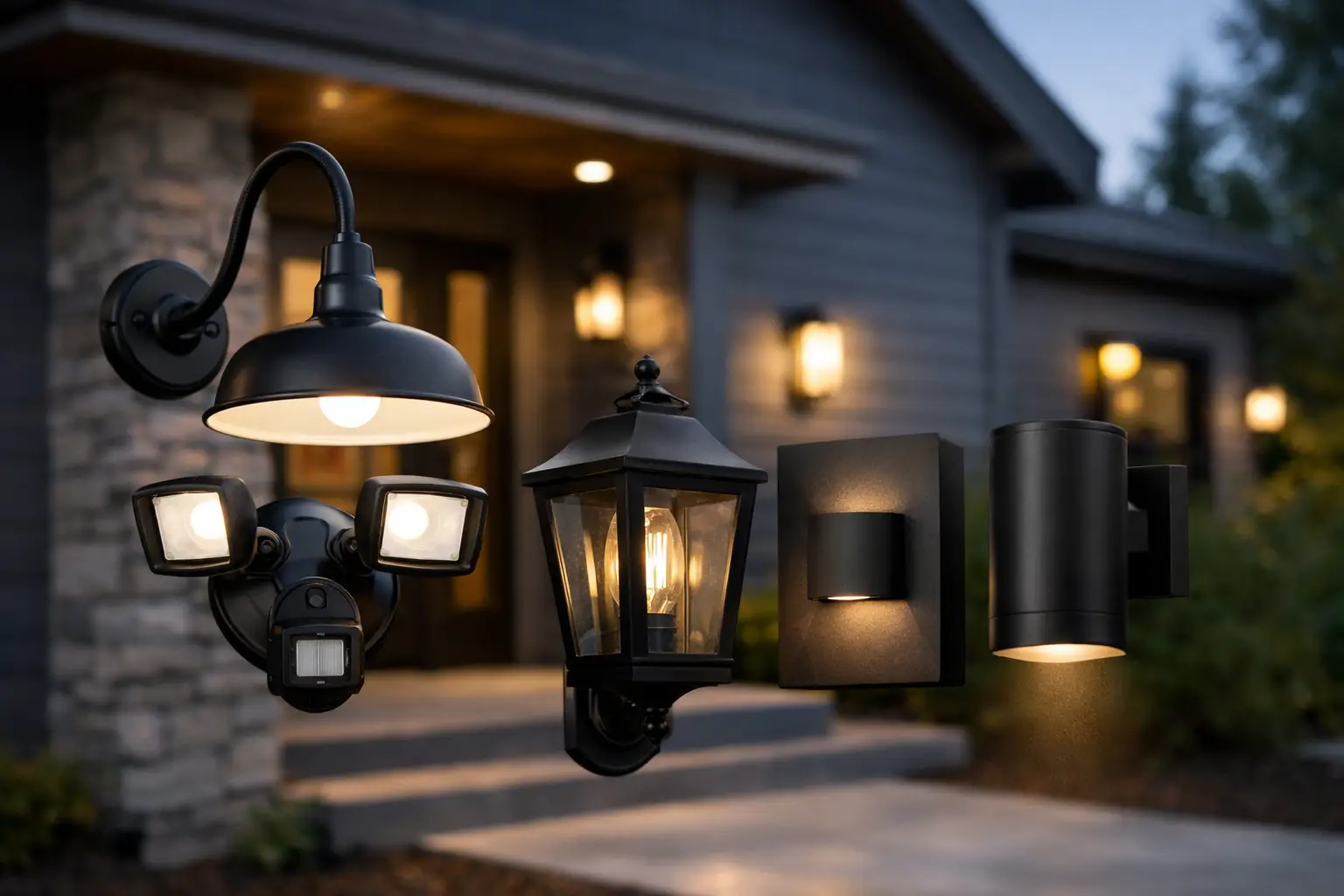
Here’s the decision rule most pros can live with: if the fixture is not a clear hero piece, buy new and spec it confidently. Use antiques for shades, bases, or decorative lamp bodies only if you can modernize the internals quickly.
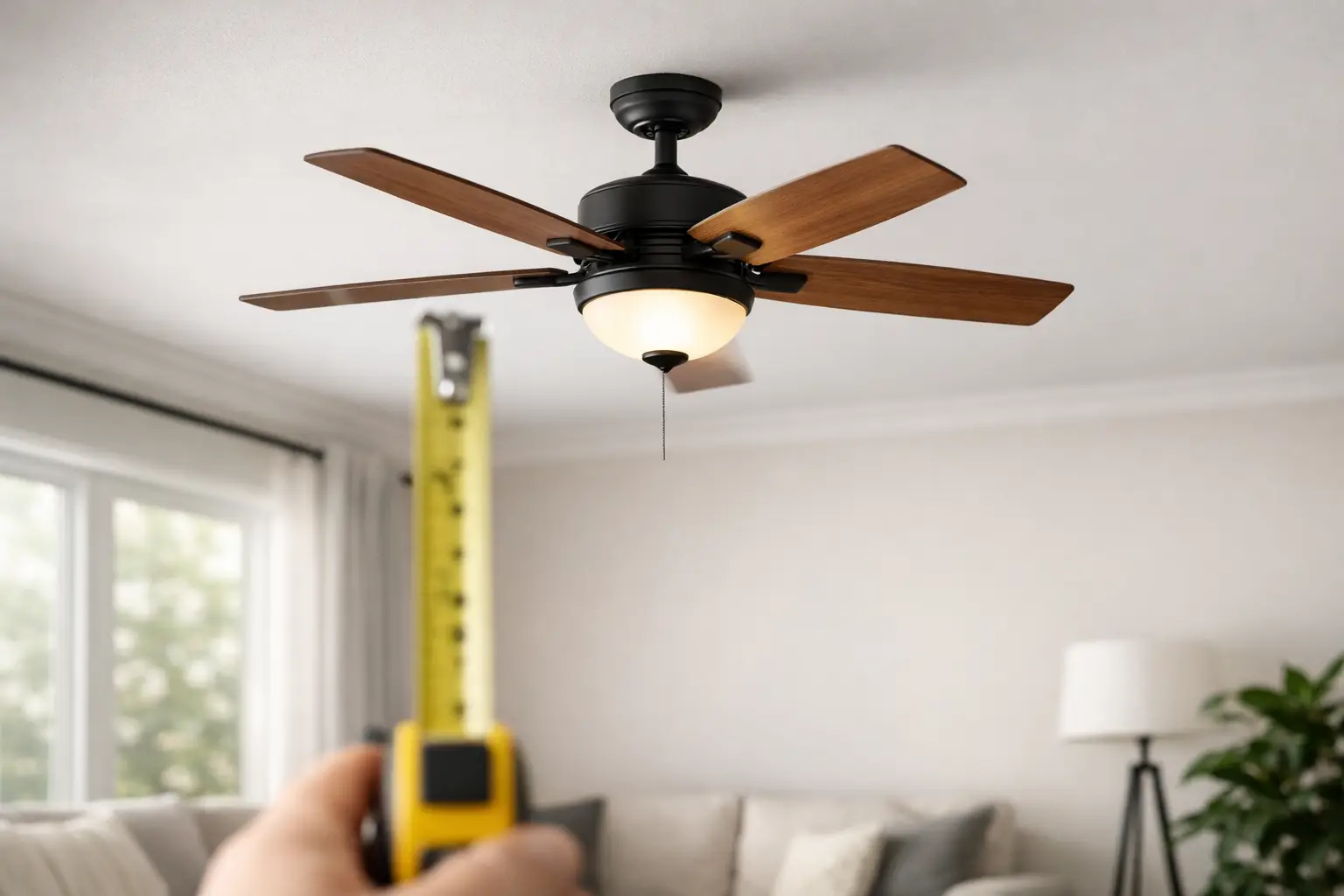
Ceiling fans are the opposite. Antique fans exist, but for most projects you’ll get better performance, quieter operation, and cleaner installs with modern fans that match current expectations. If you want the “antique” effect, do it through finishes: aged brass, matte black, warm woods, or traditional blade profiles. That keeps airflow and warranty on your side.
For more Hudson Valley project sourcing and spec-driven design thinking, you can reference our broader market coverage at https://hudson-valley-review.com/.
Negotiation and dealer dynamics in a small-town market
Cold Spring dealers are used to weekend browsers. As a trade buyer, your advantage is clarity.
If you’re buying multiple items, ask for a bundle price, but keep it straightforward: “If I take these three today, what’s your best number?” Avoid aggressive haggling. It wastes time and can shut down future sourcing relationships.
Cash can help, but it’s not guaranteed. What does help is logistics confidence. Dealers are more flexible when they believe the piece is leaving today without drama.
Also, know when not to negotiate. Smaller decor and well-priced mirrors often move quickly. If you’ve found something that solves a specific project gap, losing it over a small discount is a bad trade.
Logistics: getting finds from shop to site without chaos
Cold Spring is easy to shop and easy to misjudge on transport. Many shops have narrow doors and tight aisles, and Main Street can get crowded.
Measure twice. Bring a compact tape, painter’s tape for quick visual sizing, and moving blankets in the vehicle. If you’re buying furniture, confirm whether the shop will help with carry-out and whether they can hold it for a few hours while you finish the street.
For flippers running lean crews, the best play is to schedule sourcing on the same day you already have a truck or trailer in the area. If you’re doing a weekend run, plan for protective packing so you don’t turn a “deal” into a refinishing job from one bad strap.
If you’re buying glass or mirrors, check the back. A weak backing board or loose hangers is an easy fix, but only if you catch it before transport.
What to buy for specific project types
For flips, prioritize pieces that read high-end in listing photos and require minimal installation: large mirrors, a clean-lined console for the entry, and a pair of matching lamps for the primary. If the house is otherwise renovated with crisp new finishes, one antique with a little age can make the whole place feel intentional.
For designer projects, look for items that can’t be replicated easily at retail: hand-thrown ceramics, vintage art with strong framing, and small furniture with distinctive wood tone. These pieces help you avoid the “catalog room” problem, especially when you’re specifying a lot of new lighting and plumbing.
For builders working on spec homes, think in terms of model-home impact without model-home cost. A vintage mirror in the powder and a standout console in the foyer can do more for perceived quality than upgrading one minor finish. Keep your core systems modern, then add one or two antiques that suggest depth.
The smart constraint: when Cold Spring is not the right stop
If your project needs full-house furnishing on a tight budget, Cold Spring may not be efficient. You can spend a lot of time and still leave with only a few pieces, especially if you’re hunting for matching sets.
It also depends on timeline. If you’re inside a two-week list date, avoid anything that requires refinishing, rewiring, or upholstery. Antiques are best when you can place them immediately or when you have a clear, scheduled path to prep.
A better way to shop: decide the “role” before you buy
Before you walk into the first store, decide what you’re buying today: a hero piece, supporting cast, or texture.
A hero piece is your anchor – a mirror, a statement cabinet, a standout light. Supporting cast is functional styling that makes rooms feel finished – lamps, stools, trays. Texture is the small stuff that photographs well – ceramics, baskets, aged brass.
When you assign a role, you stop overbuying. You also make faster calls on price because you know what impact you’re paying for.
Cold Spring rewards that kind of discipline. Shop it like a pro, and you’ll walk out with objects that don’t just look good in the moment – they compress your design cycle, reduce staging stress, and make the final photos read like you spent more than you did.
Leave one hour for the unexpected. That’s where the best finds usually show up, right after you’ve already decided you’re done.







Leave a Reply