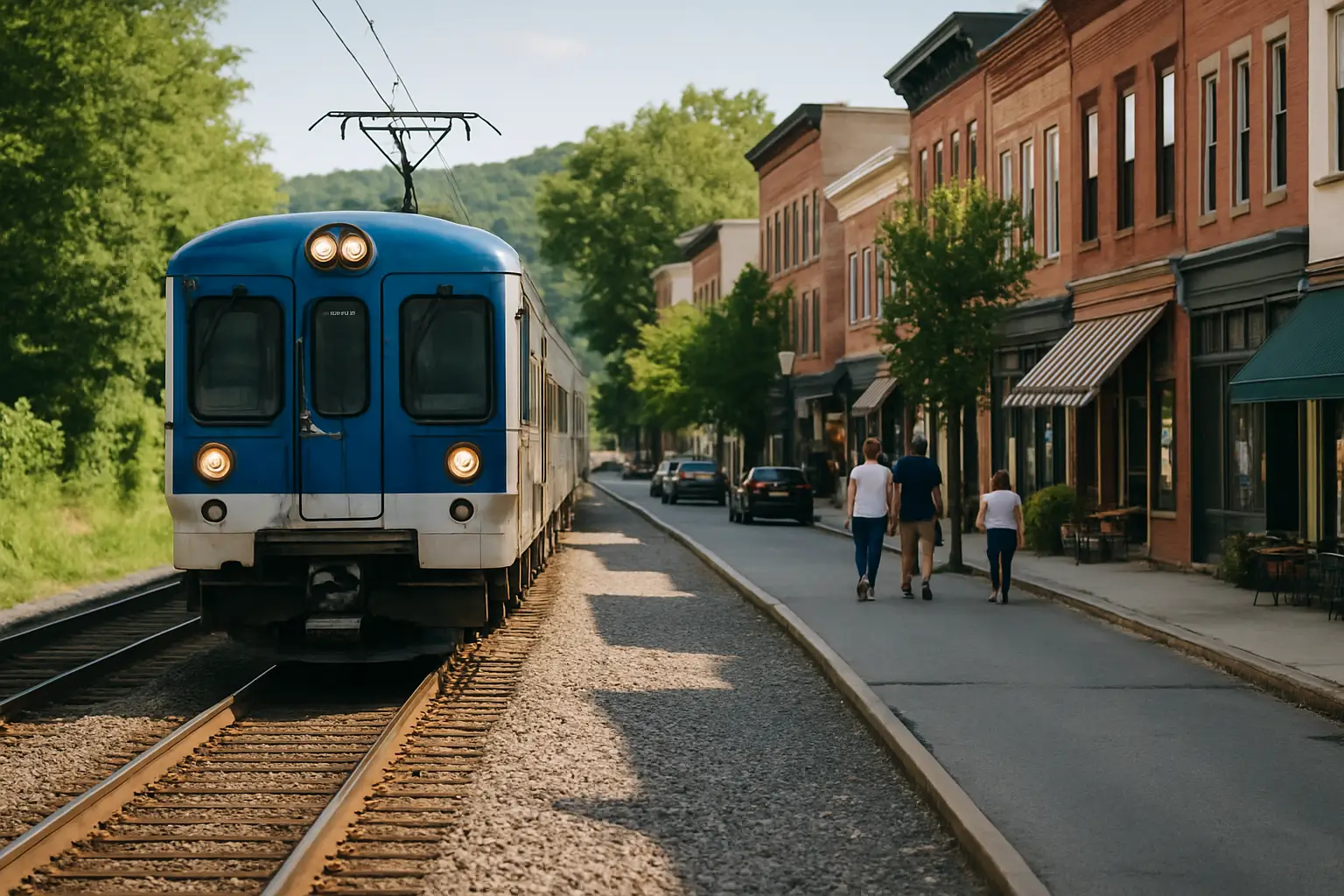
Saturday morning in a good Metro-North downtown looks the same across the Hudson line: coffee line out the door, strollers and dogs moving between storefronts, and a steady stream of renters and buyers taking mental notes. For builders, designers, and investors, that street-level activity is not just lifestyle – it is demand you can underwrite.
If you are choosing where to buy, build, or spec a renovation along the Metro-North corridor, walkability is a compounding advantage. It tends to stabilize rents, shorten days on market, and justify higher finish packages in a way isolated car-only pockets cannot. The trade-off is competition: the more walkable the downtown, the more bidders you will meet, and the tighter your scope control needs to be.
Below is a practical, pro-oriented read on metro north towns with walkable downtown, with a focus on what makes each one work, what it does to pricing dynamics, and how to spec lighting and fans to match the buyer profile.
Why walkable downtowns change the ROI math
Walkable downtowns create a repeatable “radius of value.” When daily errands, dining, and the train are within a comfortable walk, buyers and renters pay for time savings and convenience. That premium supports higher renovation budgets because your comps are anchored by a lifestyle story that appraisers and listing agents can explain quickly.
From a project standpoint, walkable towns also influence your punch list. Streets are tighter, parking can be limited, and older building stock is common. That pushes you toward clean, fast install decisions: fixtures that fit existing boxes, fans that solve comfort without major duct changes, and exterior lighting that improves curb appeal without rewiring the entire facade.
It depends on your exit. A long-term rental hold cares about durability and maintenance cycles. A flip cares about perceived quality and photo performance. In walkable downtown markets, both matter because tenants and buyers compare your unit to what they see while walking past well-designed storefronts and renovated brownstones.
The short list: towns worth underwriting
You can find pockets of walkability almost anywhere, but these towns consistently read as “train-to-town-to-home” without needing a car. Each has a different buyer mix, which should drive your spec decisions.
Tarrytown
Tarrytown’s downtown is compact and active, with quick access to the riverfront and a station that makes the commute feel realistic for hybrid schedules. That combination supports strong demand for condos, small multifamily, and renovated single-family homes close to Main Street.
Housing and real estate reality: Expect older homes with layers of past renovations. Budget for electrical cleanup and sensible fixture standardization. Buyers here notice finish quality, but they also punish obvious “flip tells” like mismatched color temps and bargain pendants.
Spec moves that sell: Use warm-dim or at least consistent 2700K-3000K lighting across the main living zone to avoid the patchwork look. In bedrooms and top floors, a quiet DC-motor ceiling fan can be a comfort upgrade that reads as premium, especially in homes without ideal cross-ventilation.
Irvington
Irvington is more residential in feel, but the village center is genuinely walkable, and the vibe is polished. This is a town where design coherence matters because the buyer set is quality-sensitive and often already working with a designer.
Housing and real estate reality: Renovations trend toward “classic plus”: traditional bones with updated lighting, hardware, and kitchens that do not scream trendy.
Spec moves that sell: Think understated statement fixtures: refined glass, aged brass, and matte black where appropriate. For fans, low-profile options in white or soft neutrals disappear into the ceiling plane and photograph cleanly. Avoid overly industrial styles unless the architecture supports it.
Dobbs Ferry
Dobbs has a lively strip, a strong waterfront presence, and a mix of housing types that can work for both smaller flips and longer-term holds. It is often a “value relative” to its neighbors, but still commands a walkable premium near downtown.
Housing and real estate reality: You will encounter a spread of condos, small multifamily, and older single-family homes. Scope discipline is critical because it is easy to over-improve if you chase the top-of-market finishes without the comp support.
Spec moves that sell: Prioritize functional upgrades that show: layered kitchen lighting (recessed plus a clean island fixture), well-placed sconces in halls, and an exterior entry fixture that reads upscale from the sidewalk. In units with lower ceilings, skip bulky fans and use tight, modern profiles.
Hastings-on-Hudson
Hastings has one of the strongest “small town, big demand” profiles on the line. The downtown is walkable and distinct, and buyers tend to be decisive when inventory is thin.
Housing and real estate reality: Expect competition for well-located properties and a lot of pre-war character. Plan for plaster realities, imperfect framing, and older electrical.
Spec moves that sell: Choose fixtures with forgiving canopies and install hardware that helps you land cleanly on uneven surfaces. In dining areas, a centered pendant that scales correctly is a must – crooked or undersized lighting is an immediate credibility hit. For comfort, fans in upstairs bedrooms can reduce reliance on window units and improve the showing experience.
Bronxville
Bronxville is a station-centered market with a tight, high-end downtown. The walkability is real, and so is the expectation for white-glove finishes.
Housing and real estate reality: Margins can be thinner if you buy wrong, because acquisition costs are high and buyers expect quality across the board. This is not the town for “good enough.”
Spec moves that sell: Treat lighting like millwork: consistent finish families, premium-looking wall plates, and thoughtful dimming. You do not need maximalism, but you do need restraint and alignment. Fans can work in secondary bedrooms and bonus rooms if they are quiet and visually clean.
Larchmont
Larchmont’s downtown is walkable, charming, and busy in a way that supports strong resale. It is also a market where small details can move the needle because buyers compare options quickly.
Housing and real estate reality: Many homes have been updated multiple times. Your value comes from making the house feel intentionally designed, not just renovated.
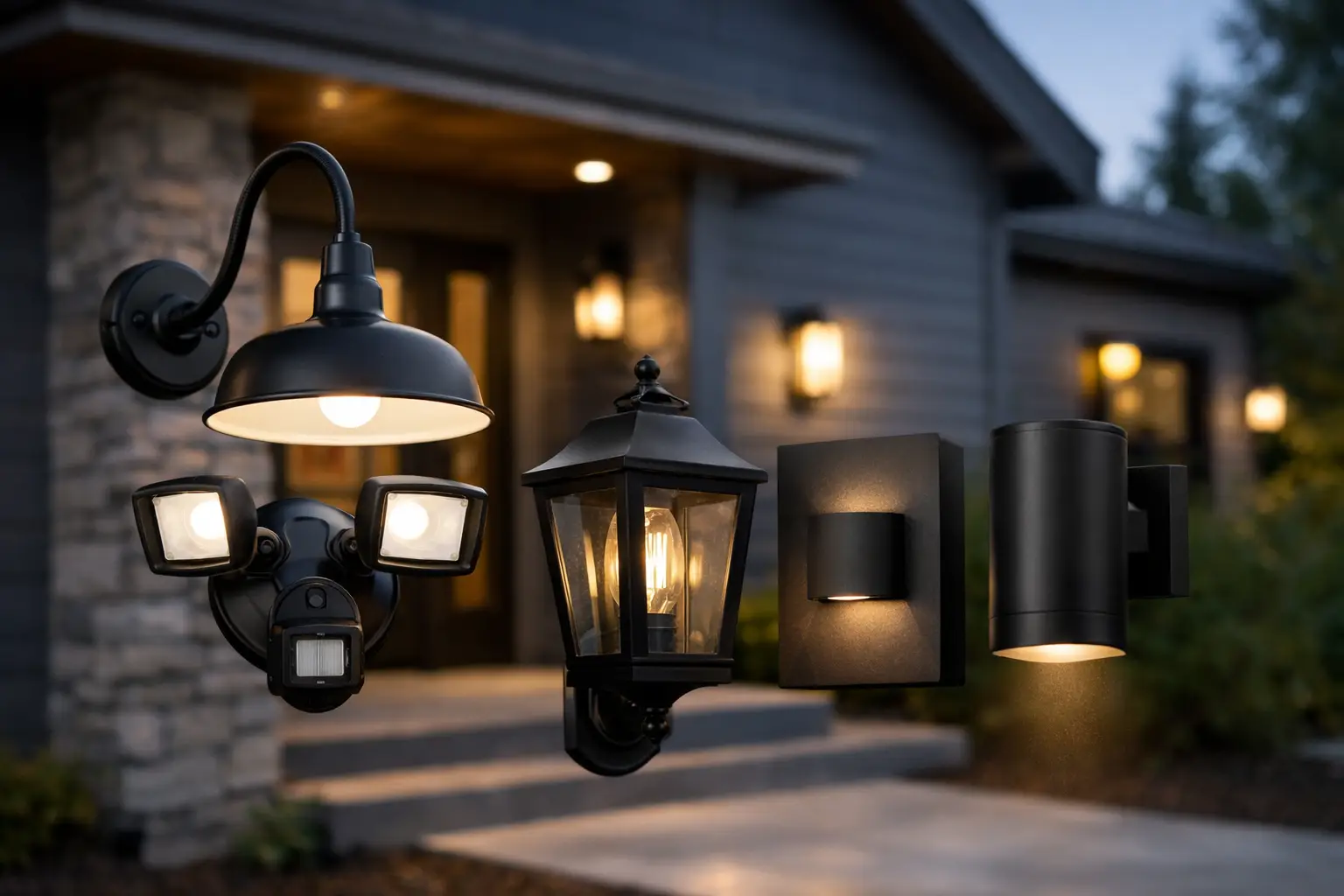
Spec moves that sell: Use matching fixture finishes within sightlines and avoid mixing too many metals. Exterior lighting is a fast win: a coordinated pair of sconces at the entry and a clean pathway fixture set can materially improve nighttime curb appeal and listing photos.
White Plains
White Plains is a different play. It is more urban, with a larger downtown grid, more inventory, and a broader renter base. The station access and walkability can support consistent leasing, particularly for well-managed multifamily or condo renovations.
Housing and real estate reality: You are underwriting a deeper market with more comps, but also more competition. Your advantage comes from speed, durability, and clean execution.
Spec moves that sell: Standardize your lighting package across units to reduce procurement time and simplify maintenance. In rentals, lean into integrated LED fixtures with good diffusion (no glare) and consistent output. Fans can reduce HVAC complaints and are a smart upgrade in top-floor units.
How to evaluate a “walkable downtown” like a pro
Walkability is not a vibe test. For underwriting, you want repeatable indicators.
Start with the path from station to downtown to your target property. If the walk is pleasant and safe at 7 a.m. and 9 p.m., you have a renter and buyer story. If it involves crossing hostile arterials, unlit stretches, or confusing sidewalks, expect the premium to soften, even if the map looks close.
Then look at the retail mix. A downtown anchored by everyday uses – coffee, groceries, pharmacy, casual dining – supports weekday foot traffic, not just weekend browsing. That matters for rental demand and resale velocity.
Finally, pay attention to housing stock around downtown. If the dominant product is small lots and older homes, you will face renovation complexity but also scarcity. If there is heavy new construction, you may need a sharper design position to stand out.
Design and lighting strategy that matches walkable-town buyers
Walkable downtown buyers are out more often, which means they come home with a high bar for ambiance. They have been sitting under good restaurant lighting and walking past storefronts that use layered illumination to sell. Your interiors should not feel flat.
Use a simple hierarchy: task lighting where work happens, ambient lighting that makes the space feel calm, and a couple of visual anchors that photograph well. In flips, the anchors are typically an entry fixture and a kitchen island light. In rentals, it may be a great living room fixture and consistent recessed layout.
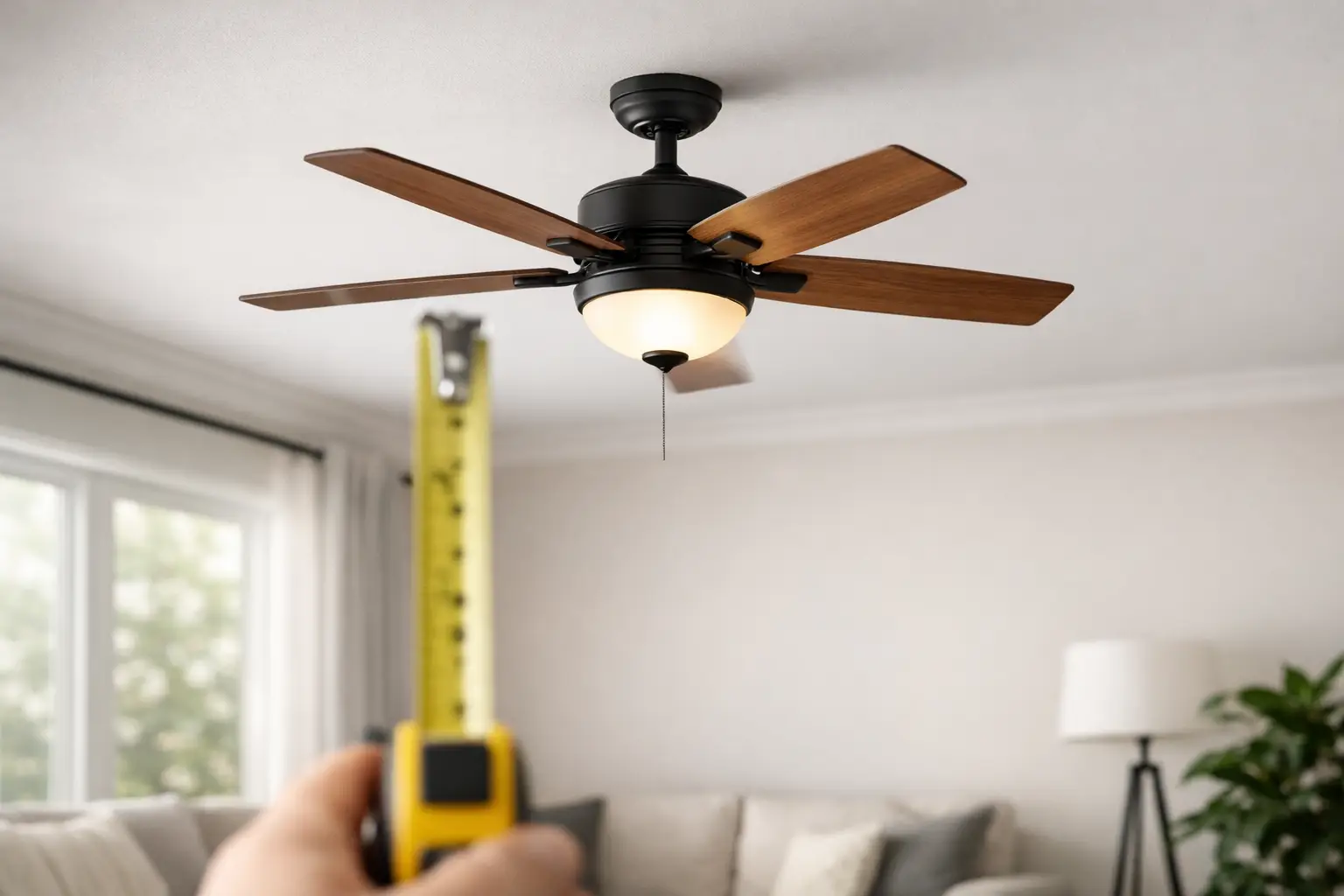
Ceiling fans are an underrated lever in these towns because many houses are older and HVAC retrofits can get expensive fast. A quiet fan can solve comfort complaints and reduce reliance on window units, especially on second floors and finished attics. The key is to spec fans that look intentional. A dated builder fan can drag the perceived value of an otherwise strong renovation.
If you want to keep your sourcing and spec decisions tight, build a repeatable package by price tier: one for value-driven rentals, one for mid-market flips, and one for premium village-center projects. That is where the trade side pays off: fewer one-off decisions, faster installs, cleaner punch lists.
For more Hudson Valley and Metro-North market context with a project-first lens, reference insights from Hudson Valley Review when you are narrowing towns and aligning your renovation plan to buyer expectations.
Commute and accessibility: what buyers actually ask
Commute is not just train time. Buyers ask about parking at the station, reliability, and how stressful the last half-mile feels. In towns with truly walkable downtowns, you can market “train without the car,” which is a legitimate value proposition for hybrid workers and downsizers.
As you scope a deal, factor in how your property lives without a second vehicle. If the answer is “it works,” your buyer pool widens. If the answer is “you need to drive for everything,” you are in a different comp set, even if the town name is the same.
The smart next move
Pick one town to win, not five towns to chase. Walkable Metro-North downtowns reward operators who understand the local buyer and run a repeatable spec: consistent lighting temperature, clean dimming, quiet fans where comfort is a pain point, and exterior fixtures that make the house look expensive at dusk. When your product matches the street-level lifestyle people are paying for, your project stops competing on price and starts competing on confidence.







Leave a Reply