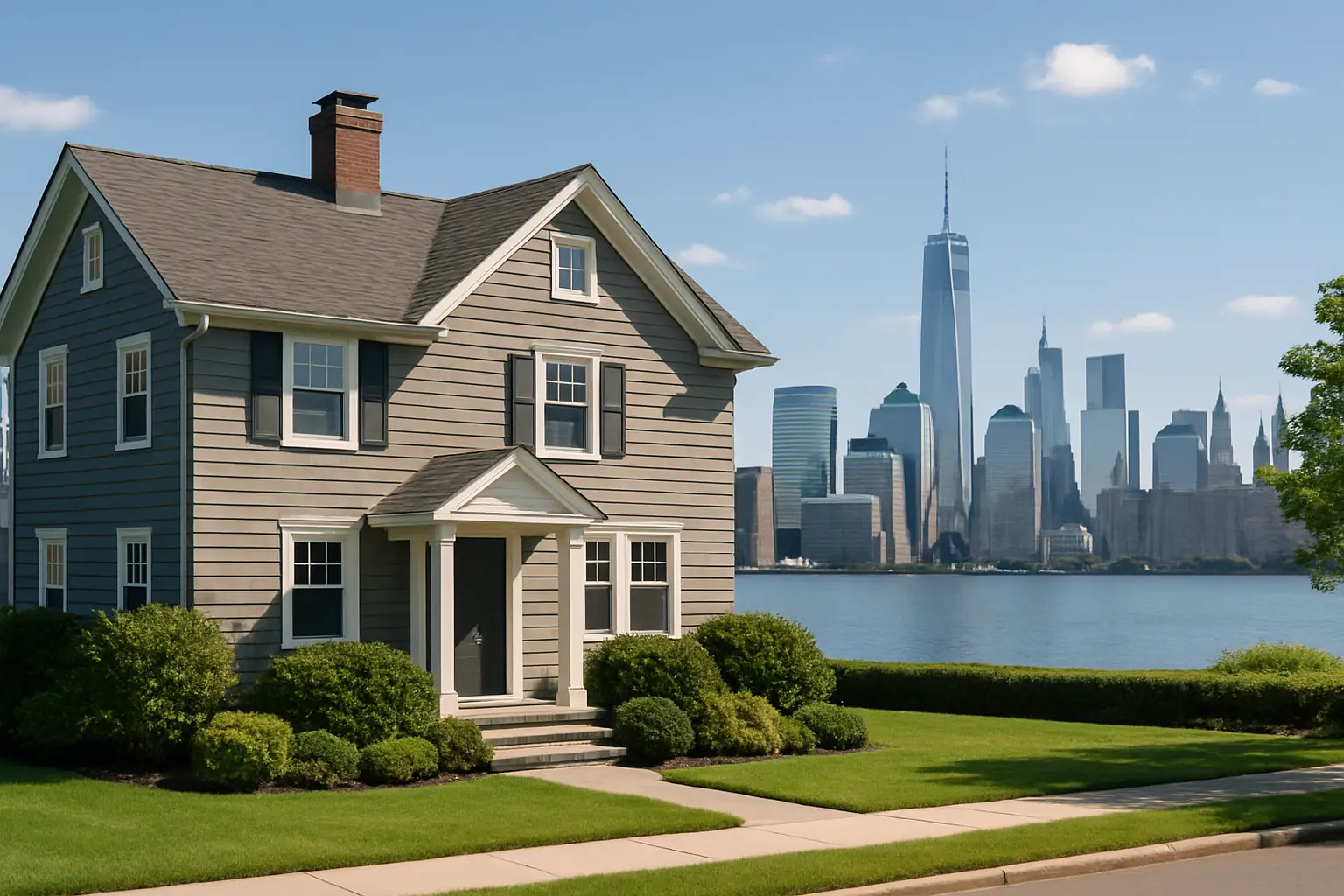
A buyer walks a renovated two-family at 6:15 p.m., asks about the commute, then flips a light switch and immediately judges the whole place. That is the reality of “near NYC” moves right now – lifestyle is the pitch, but execution (noise control, lighting, HVAC comfort) is what closes.
If you are a builder, designer, or investor, the best towns near NYC to move to are the ones where three things line up: reliable access to Manhattan, a buyer pool that pays for finishes, and housing stock that actually benefits from smart upgrades. Below are 11 towns where that equation tends to work, with the trade-offs you need to plan for and the design moves that protect ROI.
How to judge the best towns near NYC to move to (like a pro)
Commute is the headline, but it is not the whole pro forma. Track (1) transit reliability and parking, (2) price bands and days-on-market by neighborhood, (3) local permitting friction, and (4) what the typical home actually needs. A 1920s colonial in Westchester wants different specs than a riverfront loft in Beacon.
One useful rule: the closer you get to a one-seat ride into the city, the more buyers scrutinize finishes because they are already paying for convenience. That is where lighting and ceiling fans quietly become leverage – faster installs, fewer call-backs, better showing experiences.
1) Jersey City, NJ
Why it stands out
Jersey City is still one of the most practical “city-adjacent” relocations for Manhattan workers who want space without giving up restaurants and walkability. The buyer and renter pool is deep, and finishes matter because inventory competes block to block.
Housing & real estate
Expect a split market: condos and newer product trade on amenities; older brownstones and multifamilies trade on layout and mechanicals. Value is won by solving noise, storage, and lighting quality – not by over-styling.
Commute & accessibility
PATH access is the selling point. For projects, this also means tight staging windows and smaller delivery footprints. Plan for compact packaging and predictable SKUs.
Design and spec move
In stacked homes, prioritize quiet ceiling fans and high-quality dimming. Buyers notice flicker and motor hum during showings.
2) Hoboken, NJ
Why it stands out
Hoboken is small, high-demand, and very sensitive to finish quality. It is also a town where “good enough” reads as cheap fast.
Housing & real estate
A lot of older buildings mean uneven electrical panels, mixed ceiling heights, and limited storage. Renovations that streamline function (laundry placement, lighting layers, ventilation) tend to outperform cosmetic-only refreshes.
Commute & accessibility
Fast access to Manhattan via PATH and ferries keeps competition high.
Design and spec move
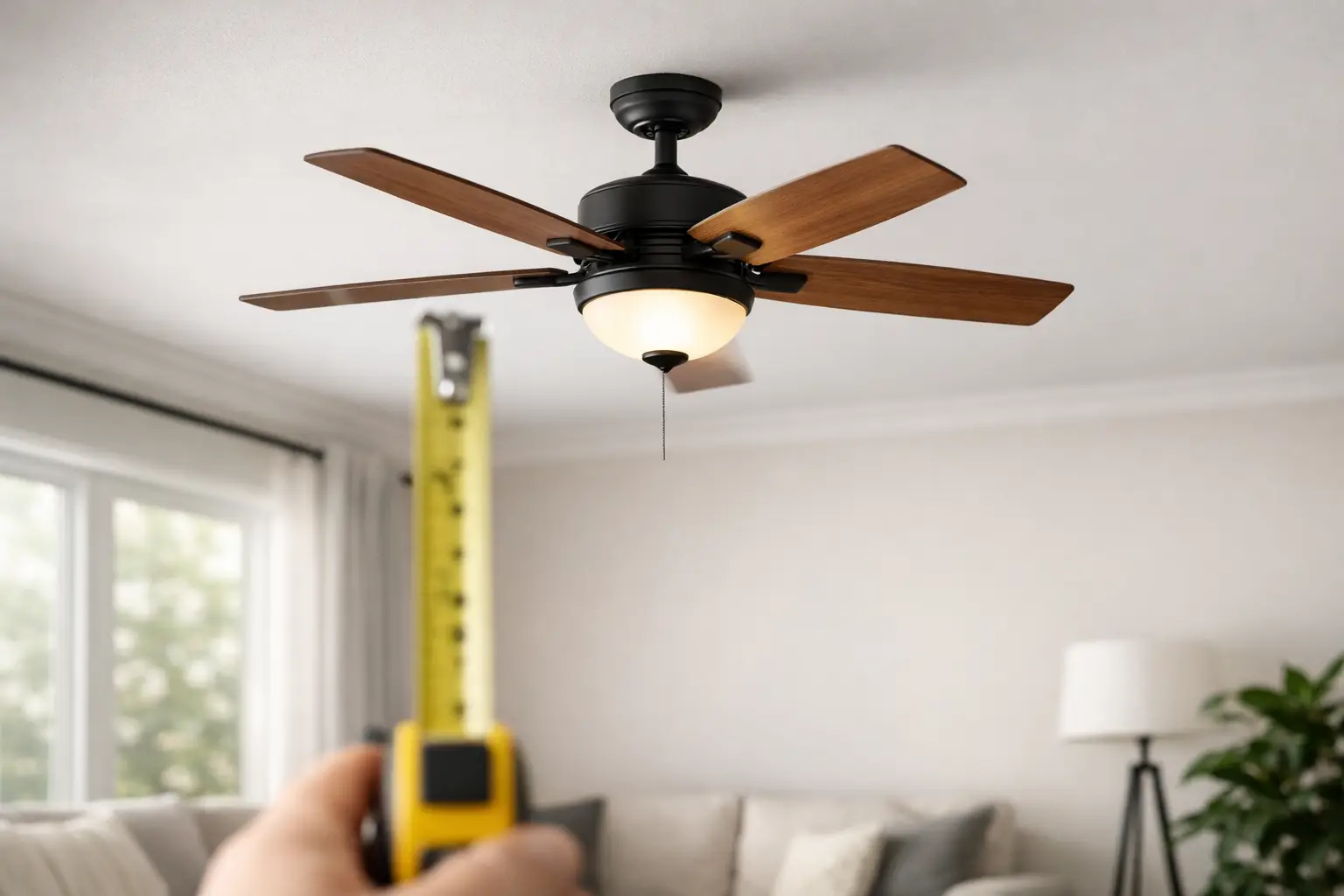
Use ceiling-hugger fan profiles in bedrooms where heights run tight. It is an easy comfort upgrade that does not trigger clearance issues.
3) Montclair, NJ
Why it stands out
Montclair pulls buyers who want a real town center, strong schools, and character homes. They will pay for thoughtful design, but they also expect it to feel appropriate to the architecture.
Housing & real estate
Older colonials and Victorians reward restoration plus targeted modernization. Kitchens and primary suites move the needle, but lighting is the silent differentiator – especially in homes with smaller windows or heavy tree cover.
Commute & accessibility
NJ Transit service is a key driver. Factor in parking and station proximity when underwriting.
Design and spec move
Mix warm ambient lighting with strong task lighting. Montclair buyers love “cozy,” but they still want a kitchen that functions at 6 a.m.
4) Maplewood, NJ
Why it stands out
Maplewood is a classic “more house, less Manhattan” trade. Demand is steady because the lifestyle pitch is straightforward: neighborhood feel with transit.
Housing & real estate
Expect 1930s-1960s stock with rooms that can feel compartmentalized. Opening walls can help, but not every floor plan needs a full gut. Often, the win is improving flow with lighting and consistent trim and door hardware.
Commute & accessibility
Train access anchors value. The closer you are to the station and a walkable core, the less you need to overspend on finishes to justify price.
Design and spec move
Use consistent fixture families across first-floor public spaces. It reads “intentional” and cuts selection time for your team.
5) White Plains, NY
Why it stands out
White Plains is a pragmatic choice for people who want Westchester without the full “estate” price tag. It also supports both condo and single-family strategies.
Housing & real estate
There is a mix of mid-century homes and newer builds. Mid-century layouts can sell well if you preserve what works and modernize what dates – particularly lighting color temperature and switch controls.
Commute & accessibility
Metro-North service to Grand Central is a major draw, and it is a real underwriting advantage because it is easy to explain to buyers.
Design and spec move
In mid-century homes, replace dated flush mounts with low-profile LED fixtures that keep the ceiling plane clean. Add ceiling fans in top-floor bedrooms where heat stacks.
6) Tarrytown, NY
Why it stands out
Tarrytown offers a river-town lifestyle with a strong “weekend escape” vibe that still reads credible for weekday commutes. Buyers respond to the scenery, but they buy because the home feels easy.
Housing & real estate
Inventory includes older homes where insulation, windows, and HVAC can be uneven. If you are flipping, do not ignore comfort. A beautiful kitchen will not save a drafty second floor.
Commute & accessibility
Metro-North and river access help it compete with other Westchester towns.
Design and spec move
Spec fans with strong airflow for bedrooms and bonus rooms, especially in capes and colonials where second floors run warm. Comfort reduces inspection drama.
7) Nyack, NY
Why it stands out
Nyack has personality and a walkable core, which attracts buyers looking for culture and community more than square footage. That buyer is design-aware.
Housing & real estate
Older homes with quirks can be a feature, but only if systems are handled. The right move is to modernize behind the walls while preserving visual charm.
Commute & accessibility
Commutes can involve bus-to-train or driving to rail. That variability means your finished product must feel worth the effort.
Design and spec move
Lean into layered lighting and statement fixtures in dining and entry zones. If the commute is slightly more complex, the home needs a stronger emotional “yes” on first walk-through.
8) Beacon, NY
Why it stands out
Beacon is for buyers who want a creative, outdoorsy town and accept a longer rail ride in exchange for lifestyle. It is also one of the clearest examples of how design and staging can move price.
Housing & real estate
You will see everything from small historic homes to newer builds. Many properties benefit from space planning and lighting more than from high-cost materials.
Commute & accessibility
Metro-North to Grand Central is doable, but it is a commitment. Your job is to make the house feel like a retreat, not a compromise.
Design and spec move
Add ceiling fans in living rooms with higher ceilings and in primary bedrooms. It supports comfort, reduces HVAC load perception, and reads like a premium touch when paired with clean, modern lighting.
9) Cold Spring, NY
Why it stands out
Cold Spring is scenic and high-charm, but inventory is limited. Buyers here often want “historic, but not fussy,” and they notice craftsmanship.
Housing & real estate
Older homes can hide scope surprises. Underwrite carefully and prioritize mechanical reliability. This is not a market where sloppy trim or misaligned fixtures get a pass.
Commute & accessibility
Rail access exists, but service frequency and weekend patterns matter for some buyers.
Design and spec move
Keep finishes restrained and authentic: classic hardware, warm lighting, and fans that do not look overly contemporary in period rooms.
10) Stamford, CT
Why it stands out
Stamford functions as a business hub with a commuter pipeline to NYC. It is a strong choice for renters and buyers who want space, newer construction, and a straightforward commute.
Housing & real estate
The mix of condos, townhomes, and single-family creates multiple strategies. In condo product, lighting upgrades can be one of the highest-ROI improvements because you can transform “builder basic” quickly.
Commute & accessibility
Metro-North to Grand Central is a known quantity, and that predictability supports pricing.
Design and spec move
Standardize your fixture package for speed: consistent color temps, dimmers that play well with LEDs, and fan models that your electrician can install quickly across units.
11) New Rochelle, NY
Why it stands out
New Rochelle has transit access and ongoing redevelopment energy. It can be a smart play if you buy with neighborhood selectivity and a realistic renovation scope.
Housing & real estate
You will find condos, multifamilies, and older single-family homes. The opportunity is often in solving dated interiors with efficient upgrades rather than chasing luxury.
Commute & accessibility
Fast Metro-North access keeps the buyer pool broad.
Design and spec move
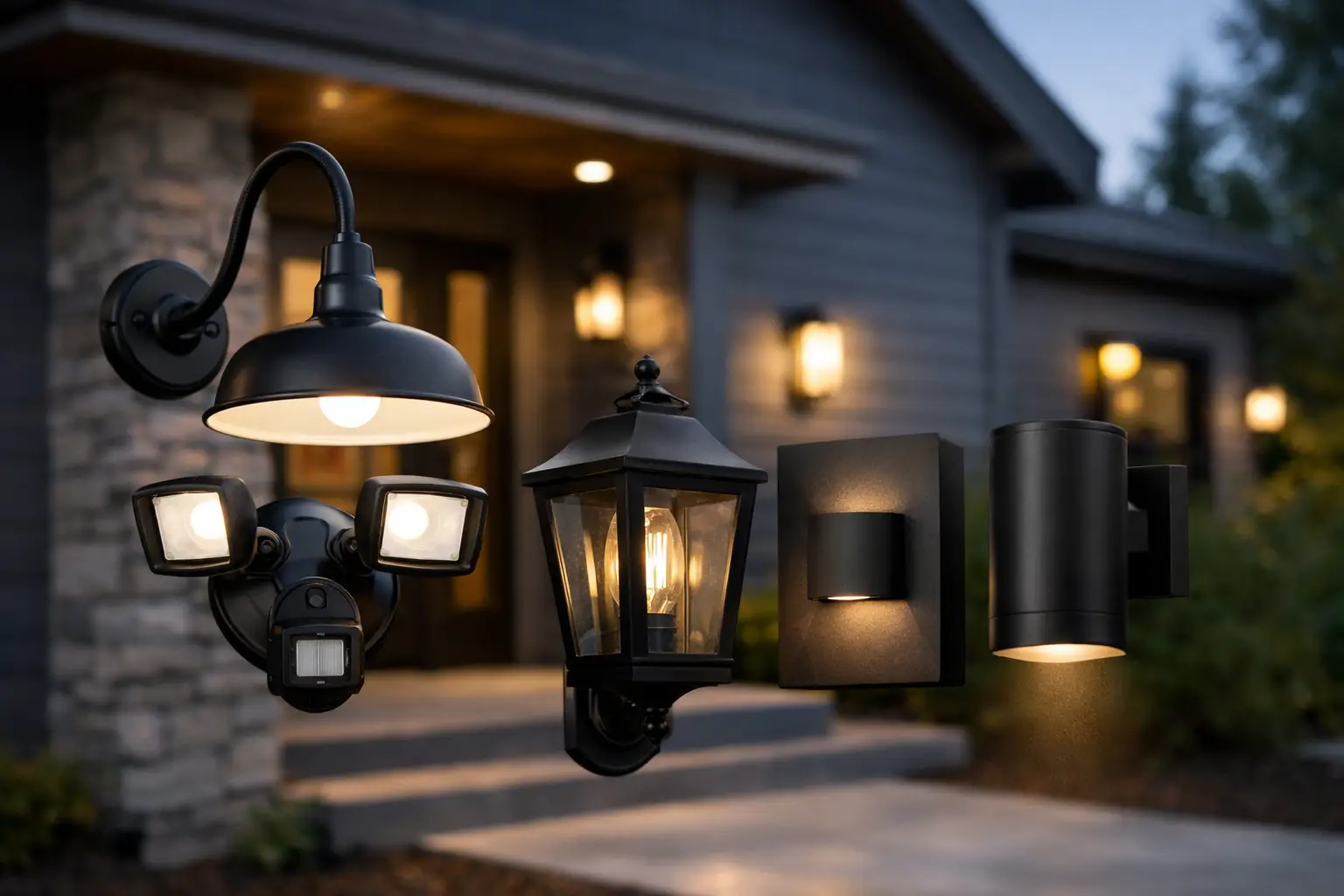
Prioritize curb-to-foyer impact: exterior lighting, entry fixtures, and a clear lighting plan inside. First impressions drive offer strength when buyers are comparing multiple commuter towns in one weekend.
What “moves the needle” in these towns (and what does not)
Across these markets, buyers respond to homes that feel bright, quiet, and climate-comfortable. That is why lighting plans and ceiling fan specs are not finishing touches – they are risk reducers. When a buyer can picture living there on day one, negotiations get shorter.
The trade-off is always budget versus speed. Custom lighting can be beautiful, but it can also create delays if lead times slip. For most commuter-town renos, the better play is a tight, repeatable spec: a few fixture families, consistent finishes, and reliable fan models sized correctly for the room. You get a cleaner look, fewer change orders, and easier maintenance.
If you want a market-by-market lens on Hudson Valley and commuter-town demand, keep an eye on updates from Hudson Valley Review. It is a useful way to spot where buyer expectations are rising before your next scope is locked.
The decision move to make this week
Pick two towns that match your target buyer’s commute tolerance, then walk five open houses in each with a contractor’s eye: ceiling heights, panel capacity, window sizes, and how the rooms feel at dusk. The places that feel dim or stuffy are telling you where the fastest value is – and it is usually a better lighting plan and the right fans, not another trendy tile.







Leave a Reply