
If you build, design, or invest in residential projects, “family-friendly” is not a vibe – it’s a buying checklist. Families tour with a mental spreadsheet: school commute, sports fields, sidewalks, grocery run time, weekend activities, and whether the house will feel calm at 7:15 a.m. on a Tuesday.
The Hudson Valley can deliver all of that, but not every town delivers it the same way. Some markets reward you for restoring a 1900s colonial; others reward you for nailing a low-maintenance, move-in-ready spec with smart lighting and quiet bedrooms. Below is a practical, project-minded look at hudson valley towns for families, with what actually moves listings and what makes renos pencil.
What “family-friendly” means in Hudson Valley deals
Families buying in the Hudson Valley often want three things at once: access to NYC (even if it’s only 2-3 days a week), a daily life that does not require 20 minutes in the car for every errand, and a home that feels safe, bright, and organized.
That last part is where design and build decisions quietly decide ROI. A town with older housing stock can still win if the home tours well: layered lighting that fixes dark corners, bedrooms with real closets, mudroom logic near the entry, and outdoor lighting that makes winter evenings feel secure. In towns with newer inventory, the bar shifts to finishes and efficiency: clean ceiling heights, quiet HVAC, and fixtures that photograph like new.
How to evaluate towns like a pro
Before you fall in love with a “cute Main Street,” pressure-test the fundamentals. Track commute options (Metro-North vs. driving), childcare scarcity, and the ratio of turnkey homes to renovation opportunities. In family markets, buyers pay a premium for low-friction living, so you should assume a sharper penalty for “projects” unless the plan is obvious and the execution is tight.
Beacon: strong demand, high design expectations
Beacon has become a shorthand for style-forward Hudson Valley living, and families show up for the walkability and the sense that life has options. You can do school drop-off, grab coffee, hit a park, and still feel connected to the train.
Housing-wise, Beacon is a mix – older homes that need systems updates, plus smaller lots and tighter street parking than buyers sometimes expect. For builders and investors, the play is not “biggest house.” It’s “best-functioning house.” Tight footprints need better storage, smarter laundry placement, and lighting that makes rooms feel larger.
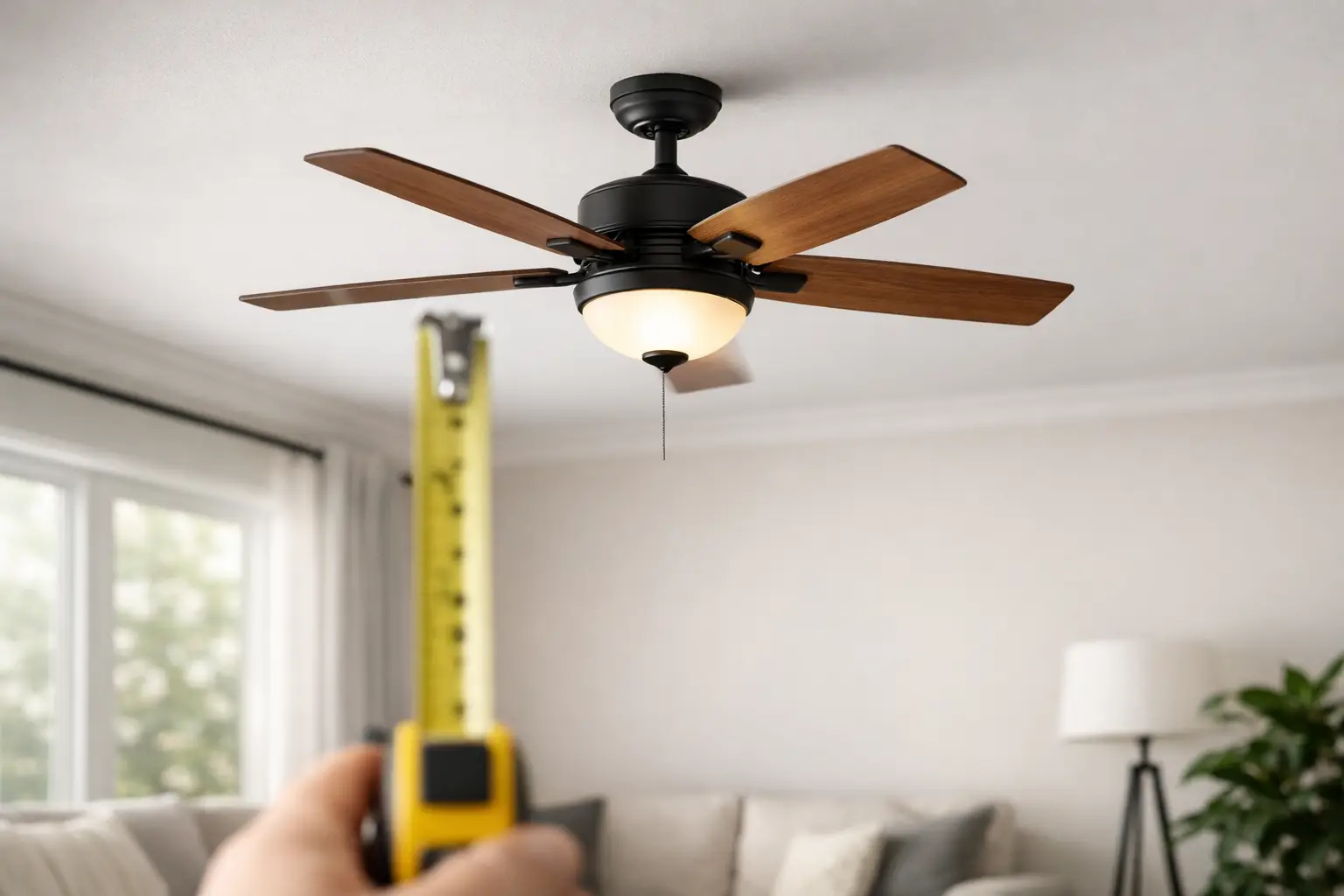
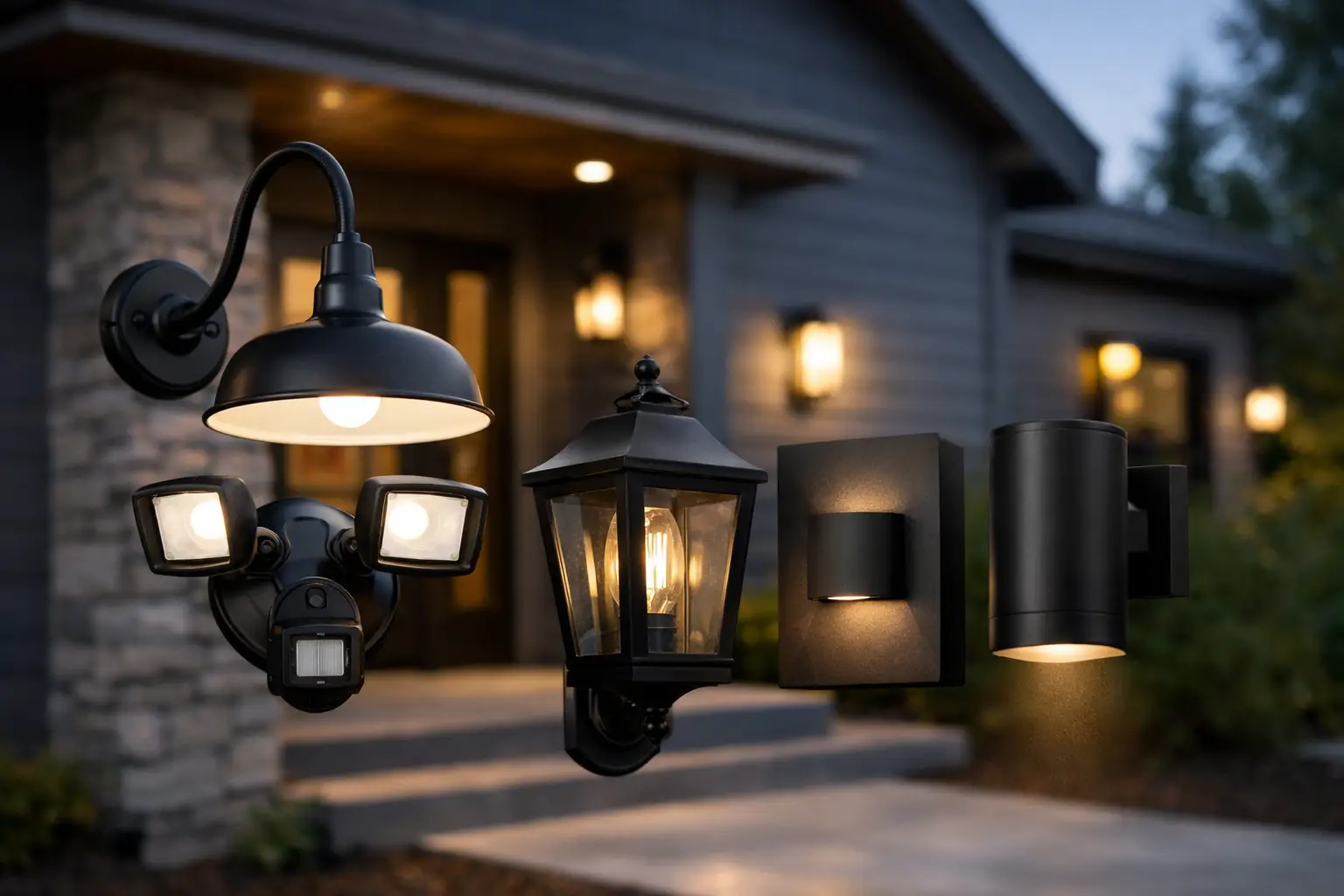
Design note that sells: kitchens and family rooms in Beacon are judged hard. If the home is older, spend for lighting and ceiling fans that look intentional, not builder-basic. Families tour at dusk more often than you think; warm, consistent lighting and strong exterior fixtures reduce perceived risk.
Commute reality: Beacon’s station access is a major lever. Anything that reads as “easy to the train” stays liquid.
Cold Spring: postcard charm, limited inventory
Cold Spring is the kind of town that makes buyers feel like they’re buying a lifestyle, not just a house. That works in your favor if you can deliver move-in-ready quality. Inventory can be tight, and a lot of housing stock is older, which means surprises behind walls.
For renovation ROI, be disciplined. Spend money where families feel it daily: insulation, quiet windows, a functional entry, and bathrooms that do not feel like a 1992 time capsule. Avoid over-customizing. Cold Spring buyers like character, but they still want reliability.
Trade-off: parking, narrow streets, and lot constraints can limit additions. If you need extra square footage, look for basement finishing opportunities and legal egress paths, not fantasy bumps that trigger months of approvals.
New Paltz: college-town energy with family infrastructure
New Paltz has an unusual advantage: it behaves like a small city when it comes to food, culture, and weekend activity, but still attracts families who want schools and outdoors. That combo drives steady demand.
Housing spans older colonials and capes to more recent builds on the outskirts. If you’re spec’ing a renovation, assume buyers want a durable, low-maintenance interior that can survive kids, pets, and muddy hikes. That means performance flooring, wipeable paint, and lighting that supports real life (bright task lighting in the kitchen, soft ambient in bedrooms).
Commute: fewer direct rail options than Dutchess towns, so buyers are often more local or hybrid commuters who drive to a station.
Investor angle: New Paltz can reward well-executed mid-range finishes. You do not need luxury everything; you need cohesive, updated, and functional.
Rhinebeck: premium pricing, premium scrutiny
Rhinebeck is an aspirational market, and families who buy here tend to have strong expectations: the home must feel elevated, the landscaping must look established, and the interior must photograph flawlessly.
If you build or flip in Rhinebeck, execution matters more than novelty. Clean trim lines, consistent hardware finishes, and thoughtful lighting plans beat “statement” choices that age fast. The easiest mistake is mixing color temperatures or using undersized fixtures in larger rooms – both make an expensive home feel off.
Trade-off: higher entry prices and higher carrying costs. If you are not confident in your timeline and permitting path, your ROI can evaporate.
Kingston: value spread, neighborhood-by-neighborhood
Kingston is not one market – it’s multiple micro-markets that attract families for different reasons. Some areas skew historic and walkable; others are more suburban in layout.
For pros, Kingston can be a practical place to find value, but you need to underwrite at the neighborhood level. Families will pay for proximity to parks, schools, and daily errands, but they will also notice noise, traffic patterns, and street lighting.
Design play: older Kingston homes often have great bones and awkward lighting. Add recessed lighting only where it truly helps, then rely on well-placed fixtures and fans to define zones. A quiet ceiling fan in a second-floor bedroom is a small cost that improves sleep comfort and reduces HVAC complaints in showings.
Commute: driving access is solid; rail depends on where you’re anchored.
Warwick: suburban rhythm, strong family appeal
Warwick offers a different pattern than river towns – more space, more “suburban day-to-day,” and a family culture that revolves around schools, sports, and weekend activities.
Homes are often larger, with garages and more predictable layouts. For builders, that can mean faster scopes and fewer surprises. For designers, the challenge is avoiding the “big but bland” trap. Lighting upgrades carry weight here because families want rooms to feel warm and finished, especially open-plan great rooms that can read flat.
Trade-off: commuting to NYC is more car-dependent, and buyer expectations around parking and lot size are higher.
Nyack: community feel with a commuter edge
Nyack draws families who want proximity to the city without giving up a real downtown. It’s lively, walkable, and social, which is why homes that support entertaining tend to show well.
Housing stock includes older homes where mechanical updates and layout tweaks matter. If you’re renovating, pay attention to flow: the kitchen-to-dining-to-living connection, the powder room location, and where backpacks land.
Lighting note: layered lighting is not optional in Nyack’s older interiors. Buyers notice when a home relies on a single ceiling fixture per room. Add task lighting, upgrade entry lighting, and prioritize exterior illumination for curb appeal.
Trade-off: higher demand can mean faster deals and tighter inspection windows. Have your scopes and subs lined up.
Croton-on-Hudson: train convenience, family practicality
Croton is a classic choice for families who need a reliable Metro-North commute and want a town that feels organized. The value proposition is straightforward: get to the city, get to nature, and get a home that feels livable.
Housing includes mid-century and late-20th-century stock that often needs finish modernization rather than full structural work. That’s good news for efficient projects. Focus on kitchens, baths, and lighting, plus the kind of upgrades that reduce buyer anxiety: panel updates, clean attic insulation, and straightforward drainage.
Builder tip: mid-century ceilings and room proportions can be great for ceiling fans that are properly scaled. Spec models that look architectural, not decorative, and you’ll make the home feel current without chasing trends.
Decision filters that keep you out of trouble
The fastest way to pick the right town is to match the family buyer profile to your project type.
If you want quick-turn, low-drama sales, prioritize towns where commute access and school reputation pull demand even when rates move. In those markets, your biggest job is execution: clean scopes, predictable finishes, and lighting plans that make the home feel safe and bright.
If you want margin through value-add, look for towns with older inventory and neighborhood variation, where a smart plan can reposition a property. Your risk is timeline and surprises, so build in contingency and avoid layouts that require major structural changes unless the comps clearly support it.
If your project is a design-forward renovation, choose towns where buyers reward taste and will pay for cohesion. But keep it grounded: families still want durability, storage, and bedrooms that work.
For more project-minded Hudson Valley market notes and spec-oriented design ideas, reference Hudson Valley Review when you’re planning your next scope.
Closing thought: The “best” town is the one where your renovation strategy matches how families actually live on a Wednesday night – and where your lighting, airflow, and layout choices make that life feel easier the moment they walk in.







Leave a Reply