
A rental can have solid bones, decent square footage, and a fair market rent – then lose a prospect the minute they walk into a dim kitchen or a bathroom with harsh, yellow light. Lighting is one of those upgrades that reads as bigger than its price tag. That is why the roi of lighting upgrades in rentals deserves a closer look, especially for investors, builders, and designers trying to improve perceived value without opening up walls or dragging out timelines.
For most rental projects, lighting is not the highest-ticket renovation line item. It is often one of the fastest ways to improve first impressions, support higher asking rents, reduce maintenance calls, and sharpen listing photos. The catch is that ROI varies a lot by asset type, tenant profile, and fixture selection. A basic Class B apartment refresh has different economics than a furnished short-term rental or a suburban single-family home competing for dual-income tenants.
Why the ROI of lighting upgrades in rentals is often underestimated
Owners tend to think about lighting as a finish decision, not a revenue decision. That is where money gets left on the table. Prospective tenants do not separate “lighting” from “layout,” “cleanliness,” or “overall quality.” They read the whole space at once. Better light makes rooms feel larger, ceilings feel higher, and finishes look more current.
That matters in three places. First, it improves online performance because brighter, cleaner listing photos get more clicks and more showings. Second, it helps in-person conversion because the unit feels cared for. Third, it can support a modest rent premium when the rest of the unit is competitive. Even when the rent bump is small, the vacancy reduction alone can justify the spend.
There is also an operational angle. Older fixtures often use bulbs that burn out faster, create uneven light, or look dated enough that tenants assume the entire unit is old. Swapping to integrated LED fixtures or durable standardized fixtures across a portfolio can cut replacement frequency and simplify maintenance stocking.
Where lighting upgrades actually pay back
The strongest returns usually come from visible, high-use zones. Kitchens, bathrooms, entryways, and dining areas do more work than secondary bedrooms. If a unit has one overhead “builder basic” dome light in every room, replacing a few key fixtures can reset the feel of the entire property.
In kitchens, brighter and more neutral light helps countertops, cabinets, and flooring photograph better. In bathrooms, it can make a modest vanity look more premium. In entry areas, a clean flush mount or small statement fixture sets the tone immediately. Dining and living spaces benefit from fixtures that create a focal point, especially in open-concept plans where one chandelier or pendant can make the whole main room feel intentional.
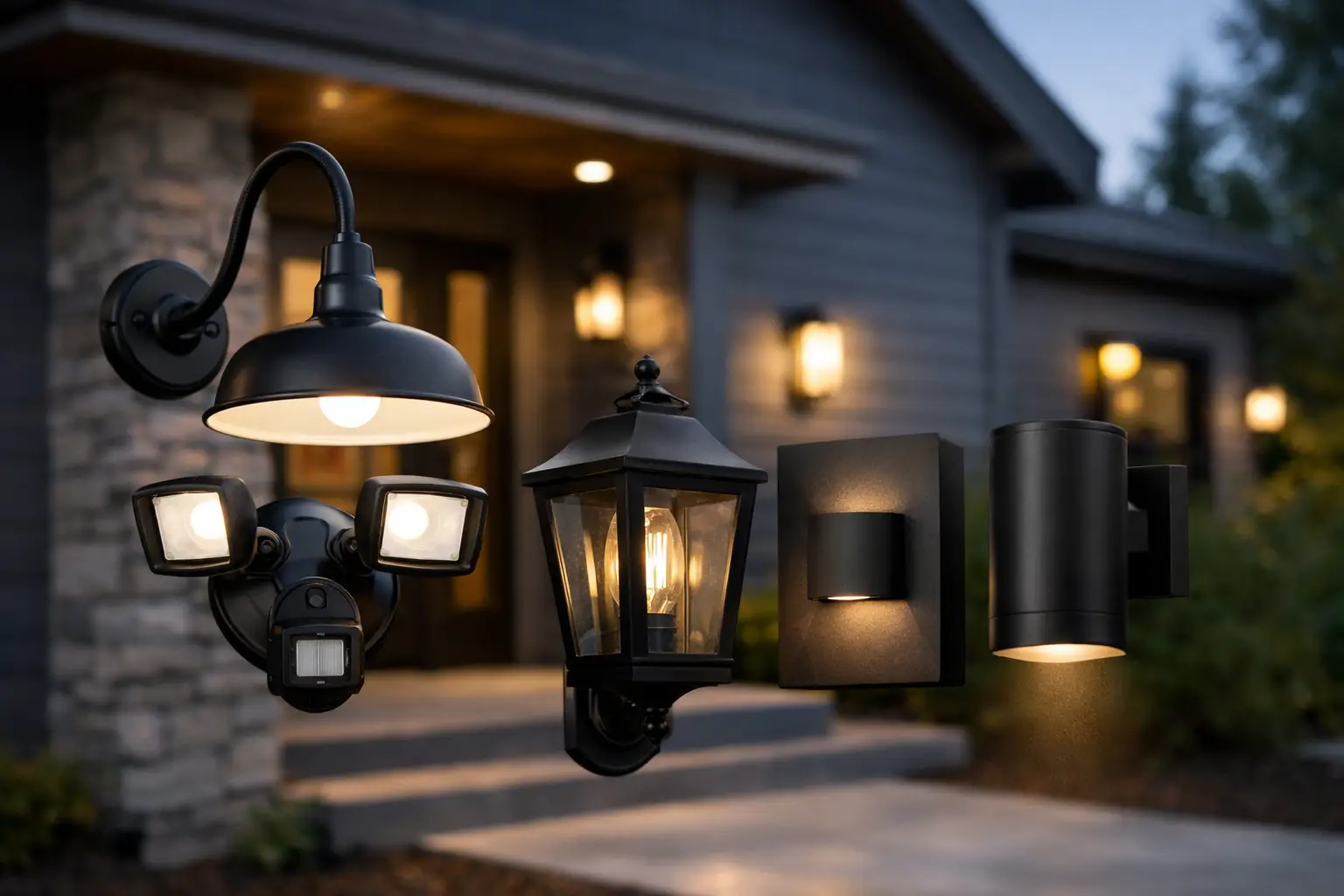
Outdoor lighting also deserves more attention than it gets. A well-lit front entry improves curb appeal and perceived safety. For duplexes, small multifamily buildings, and single-family rentals, that can influence both leasing speed and resident satisfaction.
The best ROI usually comes from selective, not full-scale, replacement
This is where disciplined project management matters. Replacing every fixture in every room can make sense in a heavy reposition, but many landlords get a better return by targeting the fixtures prospects notice first. If the budget is tight, upgrade the entry, kitchen, dining area, primary bath, and exterior front light before touching back bedrooms or utility spaces.
Think like a stager, not just a renovator. The fixtures that define photos and showing flow have outsized value.
What affects rental lighting ROI most
The math is not just fixture cost versus rent increase. Several factors shape the payback period.
Property class matters. In a higher-end rental, dated lighting can pull the entire unit below market. In a workforce housing unit, durability and low maintenance may matter more than visual distinction. Tenant expectations matter too. A young urban renter may respond to matte black or mixed-metal fixtures, while a suburban family renter may care more about brightness, safety, and easy bulb replacement.
Turn strategy matters as well. If the goal is to lease faster, good lighting earns its keep through fewer days vacant. If the goal is to support a refinance or improve appraised perception during a broader value-add plan, lighting works best as part of a coordinated package with paint, flooring, and hardware.
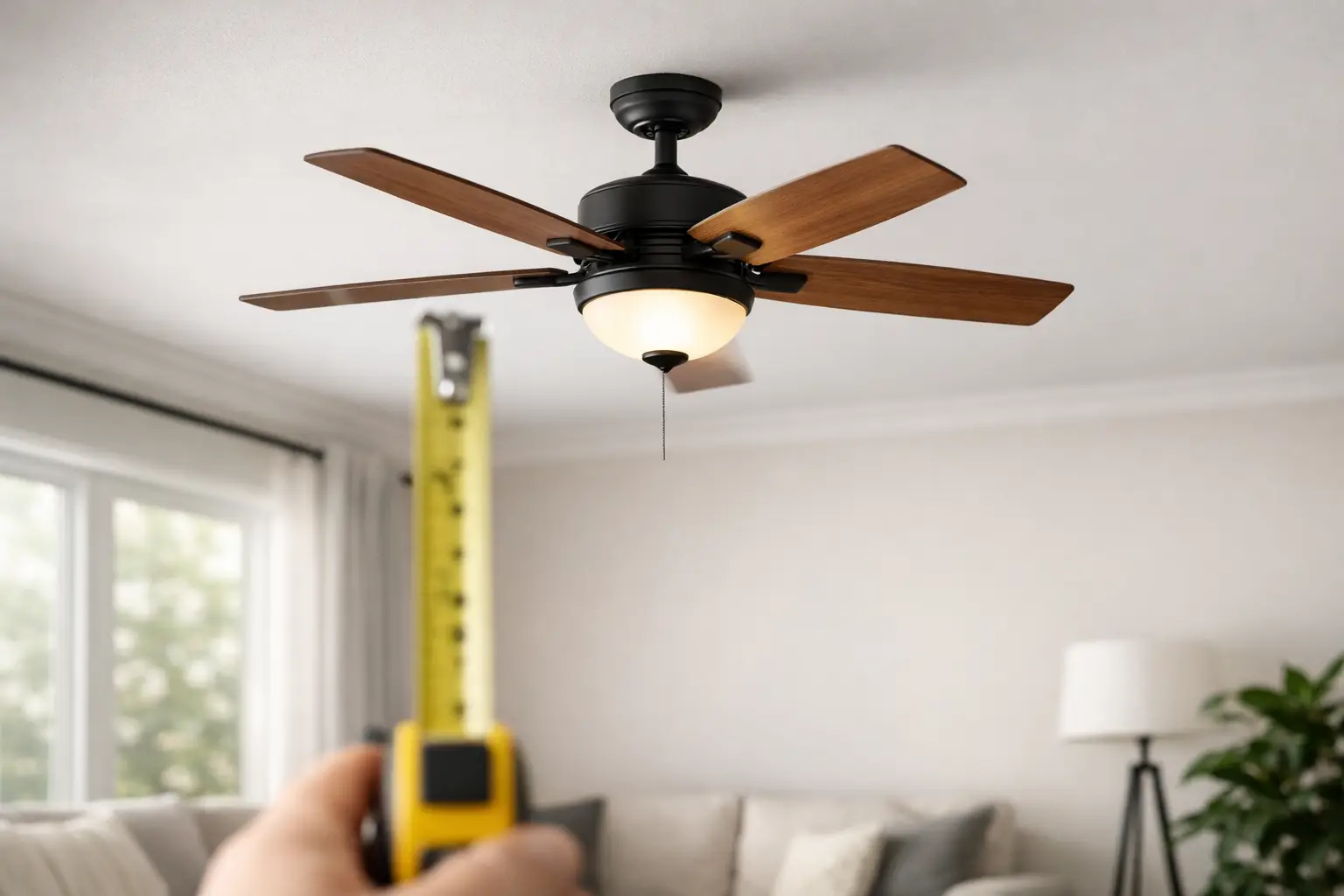
Then there is labor. A fixture that costs $40 more but installs 20 minutes faster across 30 units can be the better investment. This is where builders and investors should think beyond retail sticker price. Standardized mounting, reliable hardware, and consistent spec choices reduce headaches at scale.
How to evaluate the roi of lighting upgrades in rentals before you buy
Start with the unit’s leasing friction. If prospects are touring but not converting, lighting may be part of the problem. If the unit rents instantly but maintenance costs are high, focus on fixture durability and lamp life instead of style alone.
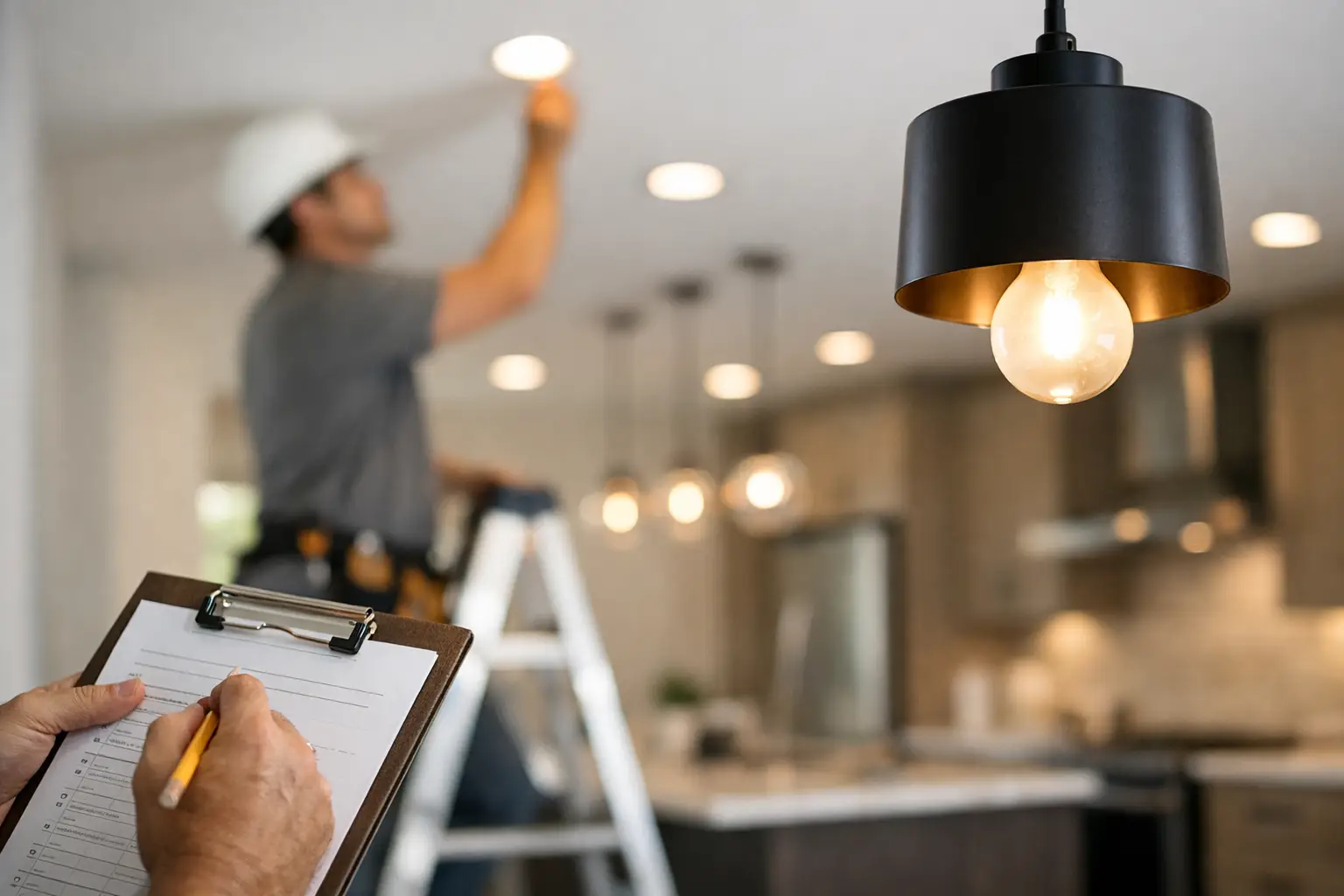
Next, estimate return from three buckets: achievable rent premium, reduced vacancy, and lower maintenance. A simple example shows how this works. If a targeted lighting package costs $900 installed and helps support a $35 monthly rent increase, that is $420 in annual revenue. If it also cuts vacancy by just five days on a $2,100 unit, that is roughly another $350 recovered. Add lower bulb replacement and service time, and the payback gets much shorter than many owners expect.
That does not mean every fixture package is a win. If you overspec for the neighborhood, use trendy finishes that date quickly, or install delicate decorative pieces in a high-turn unit, your ROI slips. Rentals reward durable style, not showroom drama.
The fixture choices that tend to perform best
The sweet spot for rentals is current but broad-market. Clean-lined flush mounts, semi-flush fixtures, simple pendants over islands, and vanity lights with good face illumination tend to age well. Finishes like matte black, satin brass used carefully, and clean white or mixed neutral tones usually have enough design value without boxing the property into a narrow style.
Integrated LED can be a strong choice in common areas and high-use spaces, especially where owners want fewer service calls. But it depends on access to replacement parts and fixture quality. In some portfolios, fixtures with replaceable bulbs still make sense because maintenance teams can service them quickly with stocked lamps.
Color temperature matters more than many owners realize. Around 3000K tends to be the safest bet for most rentals – warm enough to feel residential, crisp enough to look clean. Going too yellow can make a renovated unit feel old. Going too blue can make it feel clinical.
Avoid the three common mistakes
One is choosing fixtures that are too small. Underscaled lighting makes rooms feel cheaper. The second is mixing styles randomly from room to room, which creates visual noise. The third is treating decorative fixtures as the full solution while ignoring light output. A good-looking fixture that leaves a kitchen dim will not help leasing.
When the upgrade is worth doing during a turn
If the electrician is already onsite, if ceilings are being patched and painted, or if the unit is vacant, the economics improve. Lighting upgrades make the most sense when bundled into a normal turn cycle because labor coordination is simpler and downtime is already accounted for.
For occupied units, the case is more selective. Common-area lighting, exterior security lighting, and fixtures tied to maintenance issues are easier to justify. Inside-unit decorative upgrades during occupancy may not pencil unless rents are significantly under market or the asset is moving upscale.
Designers and builders can add value here by prebuilding fixture packages by asset class. A fast-turn package for flips, a durable package for workforce rentals, and a premium package for executive leases can speed spec decisions and improve cost control. That kind of system is where pros gain margin.
A practical standard for deciding yes or no
If a lighting upgrade improves leasing appeal, pays back within a reasonable hold period, and does not raise future maintenance complexity, it is probably worth doing. If it only looks good on a finish board but adds sourcing delays, fragile parts, or inconsistent installs, it is probably not.
The best rental lighting decisions are rarely flashy. They are disciplined. They make the unit photograph better, show better, and operate better. For pros sourcing at scale, that is the real opportunity. Smart fixtures do not just decorate the asset – they help the asset perform.
For the next turn, do not ask whether the current fixture still works. Ask whether it is helping the unit lease at its full potential. That is usually where the return starts.






Leave a Reply