
A flip starts losing margin long before the listing goes live. It happens when fixture decisions get made room by room, under deadline, with three vendors, four finishes, and no clear standard. A solid house flip fixture package guide fixes that. It turns lighting, fans, plumbing trim, and hardware into a repeatable spec that cuts decision time, controls install labor, and makes the property feel intentional instead of pieced together.
For builders, designers, and investors, the goal is not to create a custom showroom in every project. The goal is to choose fixtures that photograph well, hold up during punch-out, and support the resale price without eating the budget. The best package is not the cheapest one. It is the one that keeps trades moving and helps buyers feel the home is updated, cohesive, and worth the ask.
Why a house flip fixture package guide matters
Most flips go off track in small, expensive ways. A vanity light gets backordered, so the electrician returns twice. The kitchen pendants arrive in the wrong finish, so the designer swaps cabinet hardware at the last minute. A ceiling fan hangs too low for the room, and now staging photos make the ceiling feel shorter than it is. None of these mistakes sound major on their own. Together, they drag schedule, labor, and presentation.
A fixture package solves that by creating one spec logic for the whole house. It defines finish family, price bands, install standards, and room-by-room priorities before purchasing starts. That matters even more in mid-market flips, where buyers expect an updated look but still compare every detail against nearby listings.
There is also a sourcing advantage. When you package fixtures, you can buy in volume, reduce substitutions, and standardize SKUs across multiple projects. That is good for cost control, but it is just as useful for field efficiency. Trades install faster when the mounting systems, finish choices, and rough-in expectations are consistent.
Start with the resale target, not the style board
Before you choose a single sconce, define the buyer profile and price point. A $325,000 suburban starter home needs a different fixture strategy than a $900,000 urban renovation. In the first case, durability and broad appeal usually beat statement pieces. In the second, one or two stronger hero fixtures can help justify the jump in perceived value.
This is where teams often overspend. They spec premium fixtures in low-visibility rooms, then run out of budget where buyers actually notice the upgrade. Focus first on the areas that shape first impressions and listing photos: the exterior entry, kitchen, dining area, primary bath, and main living room. If the house has standard ceiling heights, choose fixtures that keep sight lines open. If the rooms are larger or vaulted, a fan or chandelier can do more visual work without crowding the space.
Style still matters, but resale style should be filtered through market speed. Clean transitional packages continue to outperform narrow trend bets because they appeal to both owner-occupants and investors. Matte black remains strong, mixed metals can work when handled carefully, and warm brass still adds value in the right price band. The trade-off is maintenance and consistency. If your team cannot source matching accessories quickly, stick to one dominant finish.
Build the package in three layers
The most efficient fixture packages are built in layers. Think of them as core, visible, and selective upgrades.
Core fixtures
These are the workhorses: recessed lighting, flush mounts, vanity lights, standard fans, bath exhaust fan-light combos, and exterior security or porch lights. Core fixtures should be easy to source, quick to install, and available in repeatable finishes. This is where builders save time by standardizing dimensions, mounting systems, and lamping requirements.
If a fixture type goes into multiple rooms, simplify aggressively. Use the same hallway flush mount throughout. Use one vanity light family in two lengths. Use one fan platform in multiple blade spans if the house size varies by room. That reduces purchasing errors and makes punch-list replacements less painful.
Visible fixtures
These drive perception. Kitchen pendants, dining chandeliers, entry fixtures, and the primary bath light package should feel a level above the basics. Buyers may not know the brand, but they notice proportion, finish quality, and whether the house feels designed rather than assembled.
This is the right place to let lighting and ceiling fans act as hero elements. A well-scaled dining fixture can anchor an open plan. A modern fan in the great room can make a builder-grade ceiling feel finished. For pros balancing cost and impact, visible fixtures usually return more than expensive plumbing trim hidden behind glass doors.
Selective upgrades
These are not required in every flip. Under-cabinet lighting, a sculptural foyer fixture, upgraded cabinet pulls, or a stronger exterior lantern set can make sense if the ARV supports them. The key is restraint. One or two targeted upgrades outperform a scattered mix of expensive details with no hierarchy.
Room-by-room priorities that protect margin
A practical house flip fixture package guide should tell you where to spend and where to standardize.
In the kitchen, prioritize pendants, under-cabinet lighting if the budget allows, and a faucet that feels solid in hand. Pendant scale matters more than many teams realize. Too small, and the island looks underpowered in photos. Too large, and sight lines suffer. Keep finishes aligned with cabinet hardware unless you have a strong reason to mix.
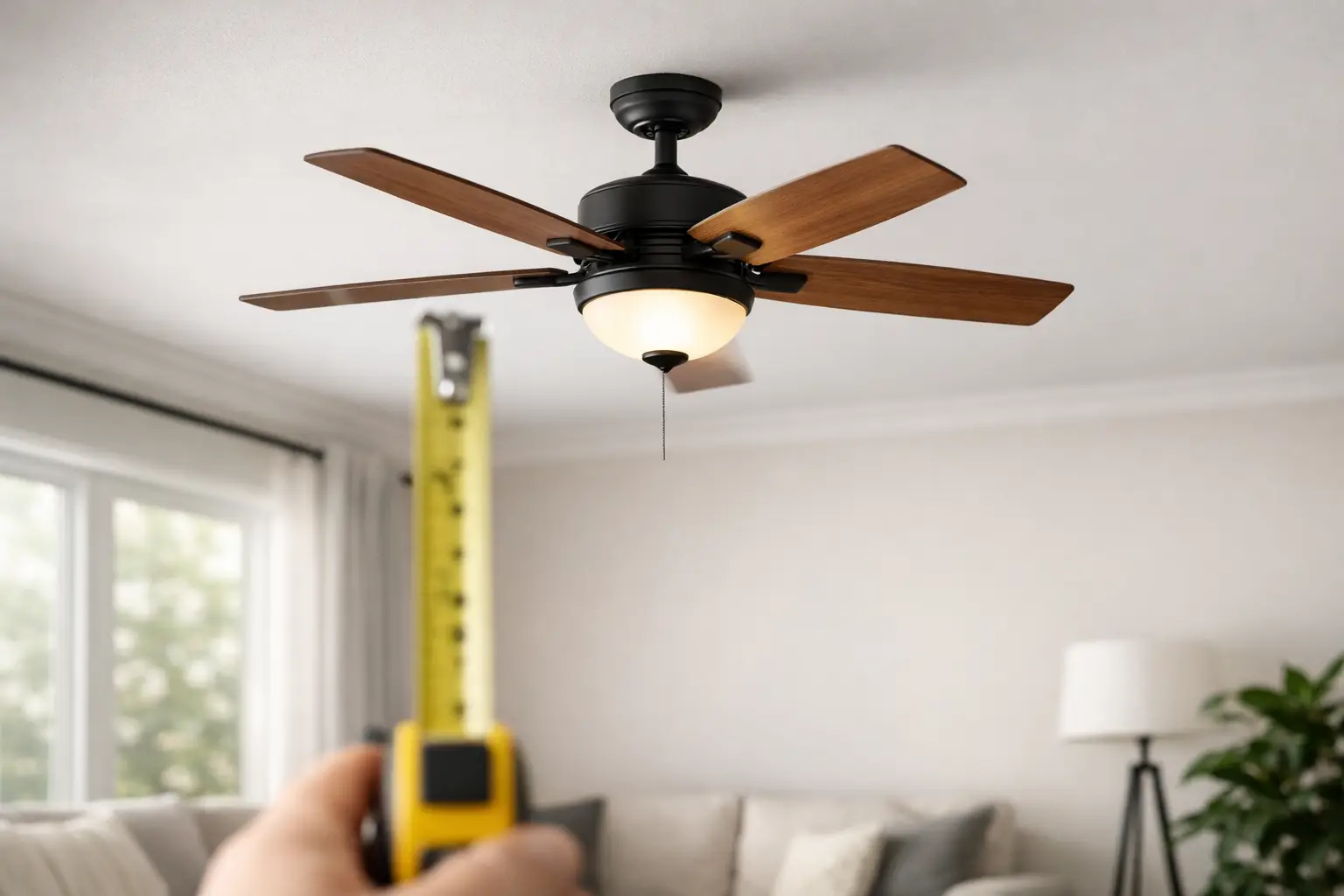
In living rooms and great rooms, ceiling fans often earn their keep twice. They improve comfort during showings and add visual value when chosen well. Look for quick-install designs, integrated LED options, and blade spans that match the room size. In flips with eight-foot ceilings, hugger or low-profile fans are often the safer call.
Bathrooms need a crisp, bright spec. Vanity lighting should flatter skin tone without casting hard shadows, which means placement and color temperature matter as much as fixture style. This is not the place for dim, decorative-only lighting. Buyers read dark bathrooms as older bathrooms, even when the tile is new.
Bedrooms and secondary spaces can stay simpler. Standard fans or flush mounts are usually enough unless the local market expects more. Closets, laundry rooms, and hallways should be efficient and bright. These rooms do not need design drama. They need clean function and easy replacement.
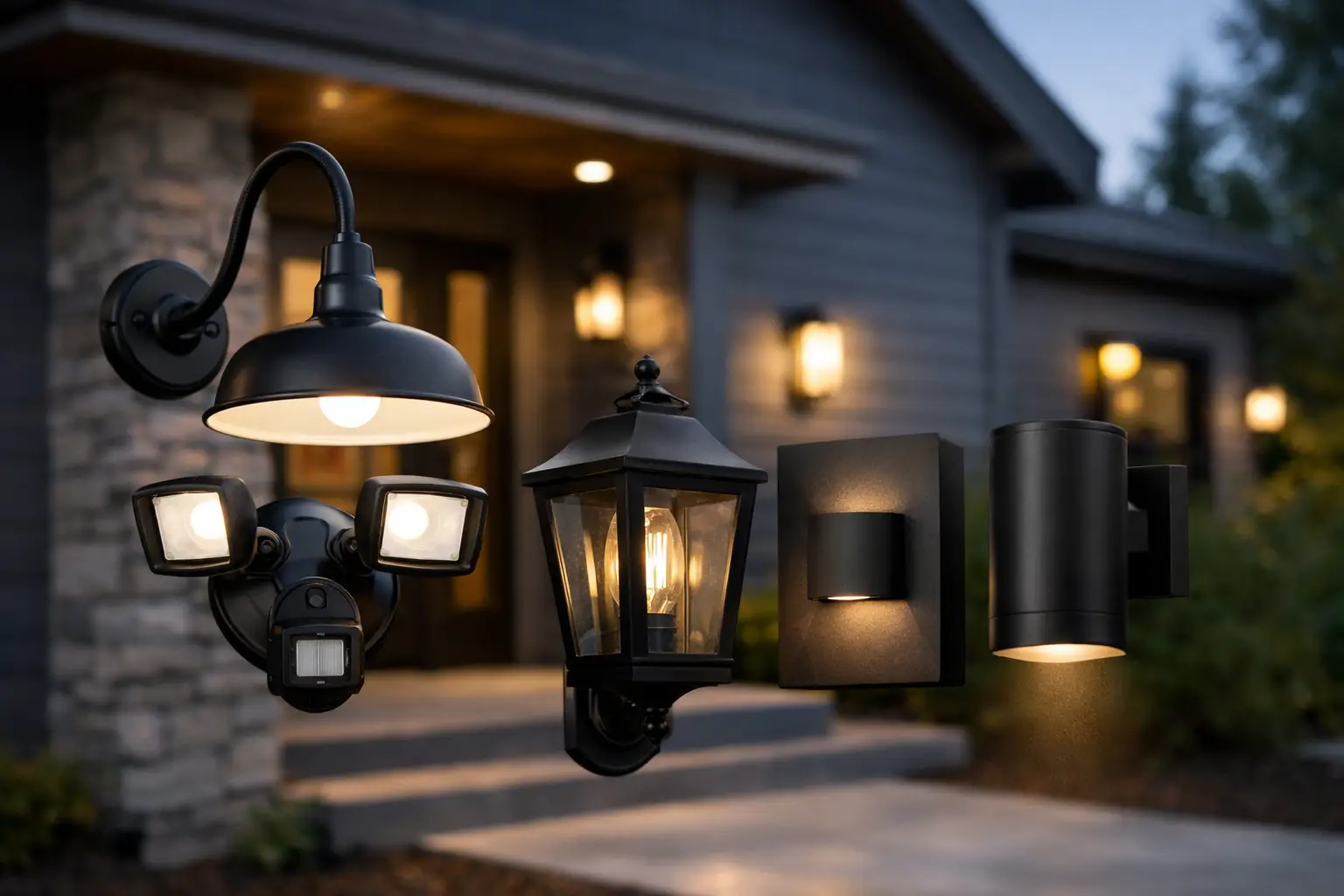
At the exterior, invest enough to create a strong first frame. A tired porch light can drag down fresh siding and paint. Entry fixtures, garage sconces, and path lighting should feel coordinated. Curb appeal starts before buyers see the kitchen.
Spec for install speed, not just look
This is where many fixture packages fail. A good-looking spec that frustrates the electrician or delays drywall repair is not a good spec.
Favor fixtures with straightforward mounting hardware, clear instructions, and dimensions that work with standard box placement. Integrated LEDs can reduce maintenance and create a cleaner appearance, but they also limit field-service flexibility if a unit fails. Replaceable bulbs give more flexibility, though they can cheapen the look if the lamp choice is inconsistent. It depends on the project timeline, expected hold period, and local buyer expectations.
Also consider weight, canopy size, and assembly complexity. The fixture that saves $40 on purchase can cost more in labor if it takes twice as long to install. For repeated flips, time in the field often matters more than tiny unit-cost differences.
Finish strategy: keep it tight
The easiest way to make a flip feel expensive is consistency. The easiest way to make it feel rushed is random finishes.
Choose one primary finish for the house and one optional accent finish at most. Matte black works across many styles and price points, but it can show dust and water spotting more than some owners expect. Brushed nickel is forgiving and broadly accepted, though less distinctive. Warm brass adds personality and often lifts perceived value, but only when repeated intentionally and kept away from low-grade lookalikes.
If the package includes mixed metals, assign roles. For example, black for lighting and hardware, stainless or polished nickel for plumbing. The rule is simple: repeat the choice enough that it reads deliberate.
The sourcing checklist smart teams use
Strong packages are won in procurement, not just in design review. Before approving any fixture family, confirm lead times, carton reliability, finish consistency, and replacement availability. Ask whether the same style line covers multiple room types. That is a hidden efficiency gain.
For investors running volume, keep a live spec sheet with SKU, finish, room assignment, backup option, and install notes. Designers benefit too because it reduces approval churn and protects the visual intent. If your sourcing partner can support both trade pricing and repeat availability, the package becomes easier to scale across multiple projects.
This is one place where Fan & Lights can fit naturally into a flip workflow. When lighting and fan selections are treated as part of the package instead of a late add-on, teams move faster and the final result looks more considered.
What to avoid
Do not over-customize for the neighborhood. The point of a package is repeatability with selective upgrades, not reinventing the wheel every time. Do not chase social-media trends that may date the property within a year. And do not let one dramatic fixture set the finish direction for the entire house unless you can source the rest of the package around it quickly.
Most of all, avoid treating fixtures as cosmetic extras. In a flip, they are part of the operating system. They affect install scheduling, perceived quality, photography, staging, and appraisal psychology more than many teams account for.
The best fixture package feels obvious once it is in place. Buyers do not stop and say, nice spec sheet. They simply read the home as updated, cohesive, and move-in ready. That is the outcome worth building into your next flip before the first order gets placed.







Leave a Reply