
A renovation schedule rarely slips because of one big mistake. More often, it gets chewed up by small lighting delays – the wrong junction box, a missing trim, a fixture that looked great online but needs extra assembly on site, or a crew waiting for answers on placement. On a flip, that costs holding time. On a client project, it burns trust. On a builder schedule, it can throw off paint, punch, and final clean.
If the goal is faster turnover without making the lighting package look cheap, the fix is not to rush installers. It is to make fewer decisions in the field.
How to cut lighting install time on renovations starts in the spec
The fastest lighting install is usually won before demo finishes. If selections are still fluid once rough-in begins, crews end up working around uncertainty. Heights change, wall locations get debated again, and fixture requirements surface too late.
A tighter spec package solves that. For builders and designers, that means locking fixture types, dimensions, mounting requirements, finish, lamping or integrated LED details, and lead times early enough for rough-in decisions to stick. For investors, it means resisting the urge to keep shopping after electrical has already been scheduled.
This is where standardization pays off. If one property uses three recessed housing types, two vanity mounting systems, and a mix of fan-rated and non-fan-rated boxes, install time expands for no real return. If the project uses repeatable fixture families and known mounting conditions, the electrician can move faster with fewer callbacks.
There is a trade-off here. Highly customized decorative lighting can help a luxury project stand out. But in mid-market renovations and flips, speed usually creates more ROI than novelty. Save the design energy for the rooms buyers remember most – entry, kitchen island, dining area, primary bath – and keep secondary spaces simple.
Build the lighting plan around rough-in reality
Good lighting plans often fail because they were drawn without enough respect for framing, existing wiring paths, or ceiling conditions. Renovation work is not clean-slate construction. That old plaster ceiling, off-center joist, or limited attic access will shape what installs quickly and what turns into a half-day problem.
A quick site walk with the electrician before final spec can cut hours later. Confirm what can be reused, what must be relocated, and where access is limited. Recessed lighting in a first-floor ceiling below finished space may look efficient on paper, but it can become a patch-and-paint exercise if access is poor. In that case, a surface-mount flush fixture or slim wafer downlight may be the faster move.
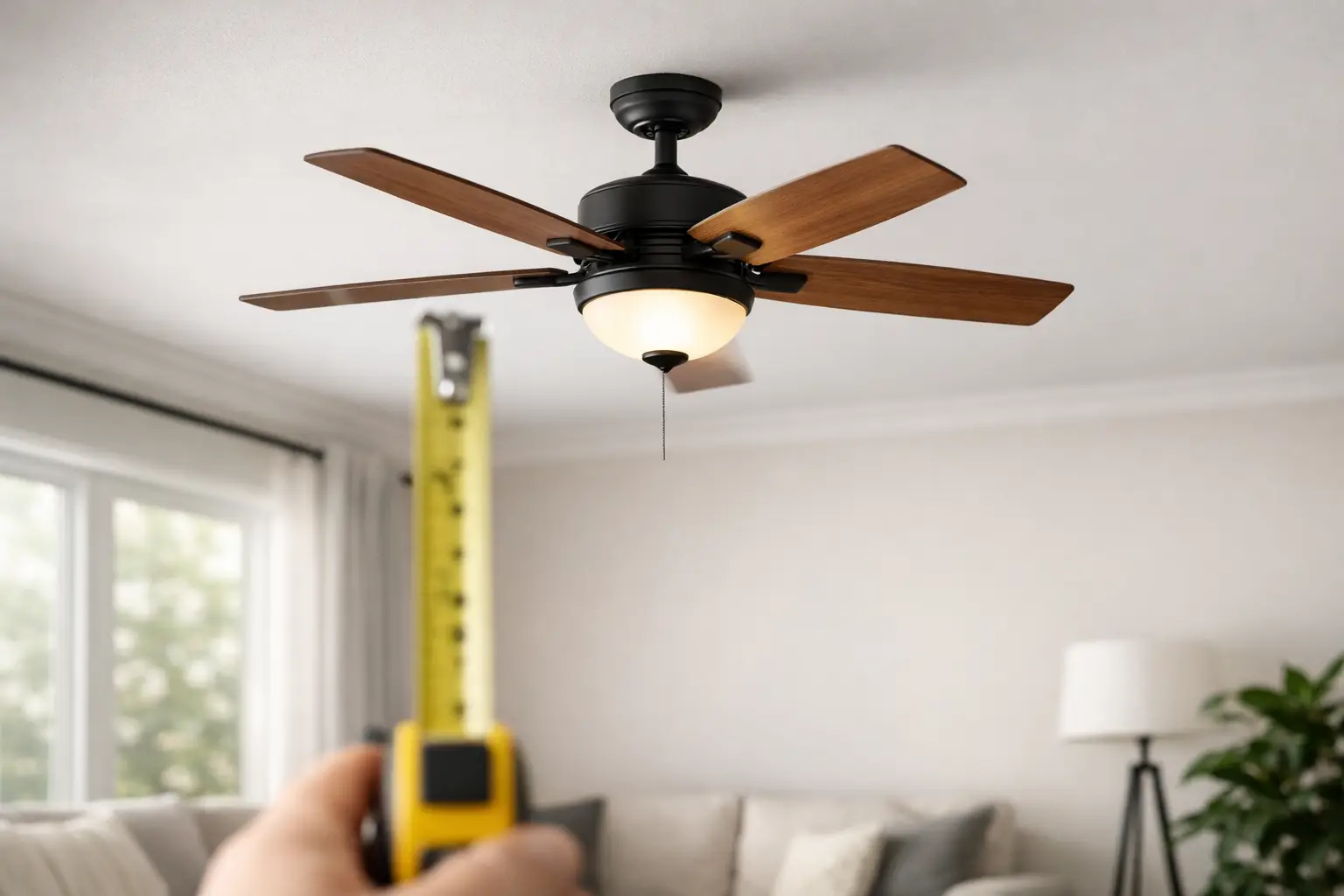
The same logic applies to sconces, pendants, and fans. A ceiling fan swap into an existing fan-rated box is straightforward. Converting a standard light box to support a heavier fan is not always quick, especially in older homes. If speed matters, spec for the structure you actually have.
Match fixture choice to ceiling and wall conditions
Not every fast-looking product is fast in every renovation. Slim canless downlights often reduce install time because they need less clearance and fewer housing components. Surface-mount fixtures can save labor where ceilings are fragile or access is tight. Multi-light chandeliers, by contrast, often create hidden labor through assembly, balancing, and cleanup.
That does not mean decorative fixtures are off the table. It means they should be used selectively. One statement fixture with easy mounting can do more for perceived value than five overcomplicated ones spread across the house.
Reduce SKUs to speed both sourcing and install
If you want a practical answer to how to cut lighting install time on renovations, reduce the number of unique products on the job. Too many SKUs create delays at every stage – ordering, receiving, staging, installation, and punch.
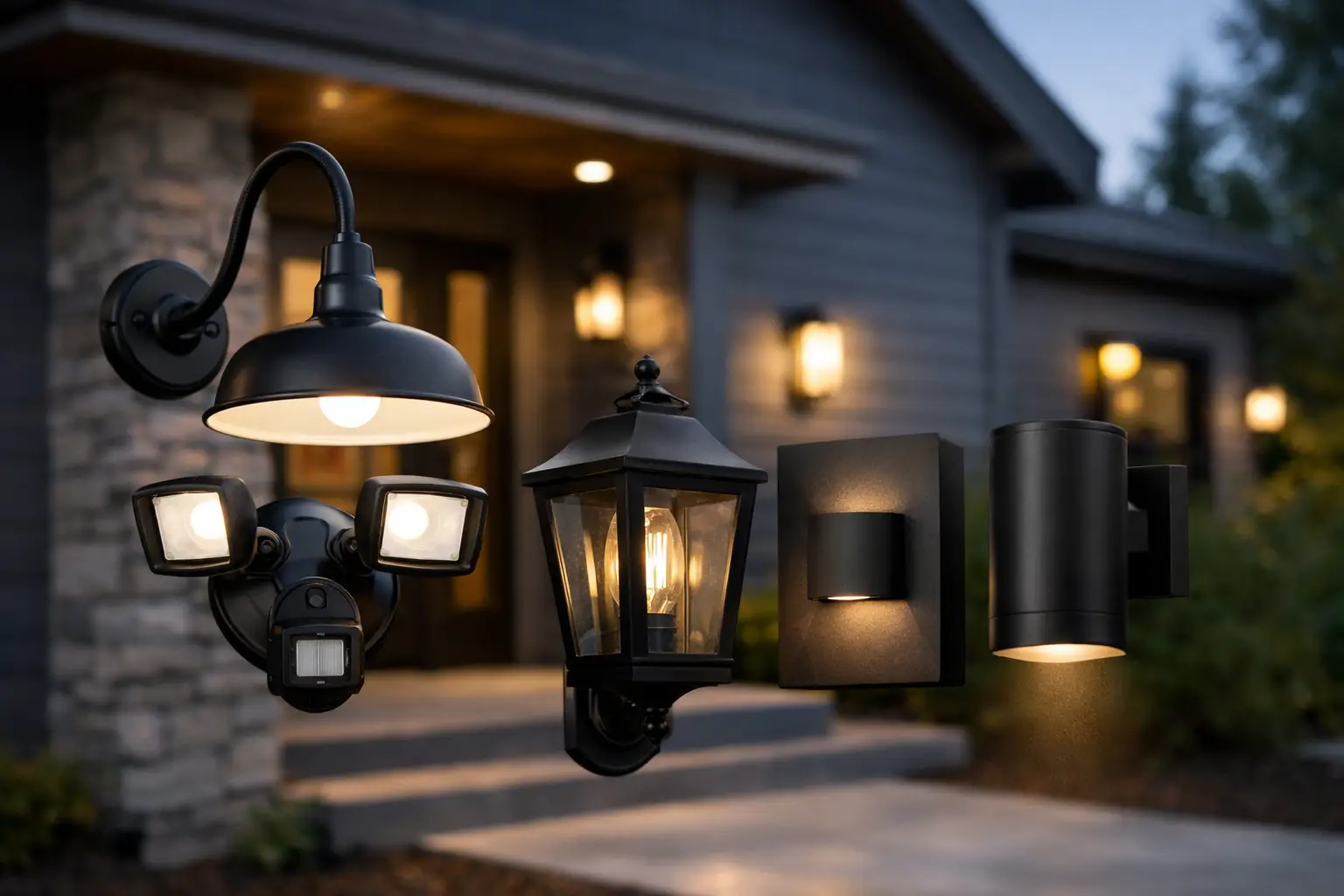
A streamlined package might include one recessed downlight specification for most ceilings, one flush-mount family for bedrooms and halls, one vanity line in two lengths, and one exterior series for all doors and garage elevations. That approach makes substitutions easier if stock changes and gives installers a familiar rhythm.
For design-focused projects, consistency does not have to mean sameness. You can vary finish or scale while keeping mounting systems and performance specs aligned. That is a smarter way to deliver style without introducing unnecessary site friction.
Procurement matters just as much as selection. Products with inconsistent availability can wreck even a well-organized schedule. Builders and investors should prioritize lines with reliable replenishment and clear carton labeling. Designers should ask one practical question before falling for a look: can this be sourced, received, inspected, and staged without drama?
At Hudson Valley Review, that sourcing lens matters because labor efficiency and product efficiency are tied together. A beautiful fixture that arrives late or incomplete is not a design win.
Stage fixtures by room, not by shipment
Many install slowdowns happen after the boxes arrive. Crews lose time opening cartons, hunting hardware, matching finish codes, or carrying fixtures back and forth across the property. That is avoidable.
Stage lighting by room before install day. Group each fixture with its mounting hardware, shade, trim, bulbs if needed, and any instructions worth keeping. Label boxes by room name, not just SKU. If the powder bath sconce and primary bath vanity light are from the same collection but different sizes, make that obvious before the electrician starts.
This is especially useful on multi-unit or investor projects where repetition can create false confidence. One missing crossbar or damaged glass shade can stop a room from being finished. A pre-stage check gives time to solve that before labor is on the clock.
Create a one-page install sheet
Installers do not need a design presentation. They need placement, mounting height, switch logic, finish confirmation, and any exceptions. A one-page room-by-room install sheet is often enough.
Keep it direct. Note island pendant spacing, vanity centering, sconce height from finished floor, fan downrod requirements, and dimmer compatibility where it matters. If a fixture requires special assembly or support, flag it. That single sheet can eliminate the on-site texting loop that drags a four-hour install into six.
Use fixture families that are built for renovation speed
Some products simply install faster. This is not always about price. It is about mounting simplicity, carton quality, instruction clarity, and whether the fixture was designed with real jobsite conditions in mind.
For renovation work, look for features that reduce handling and adjustment time. Examples include quick-connect wiring, universal mounting plates, preassembled bodies, integrated LED where lamping consistency matters, and fan systems with straightforward blade attachment. Well-designed flush mounts and vanities can save surprising amounts of labor compared with ornate fixtures that require extra assembly.
There is an important caveat. Integrated LED can reduce install and maintenance variables, but replacement planning matters on long-hold rentals or premium custom work. In those cases, a serviceable fixture with standard lamps may be the better long-term choice. Faster now is not always better later. The right answer depends on asset strategy.
Coordinate lighting with paint, millwork, and final punch
Lighting gets slower when it is treated like an isolated trade. Install time improves when it is sequenced with adjacent work.
For example, install timing should reflect whether ceilings are already painted, whether cabinet heights are confirmed, and whether mirrors are in before vanity lights go up. A rushed sconce install before the mirror lands can lead to rework. Pendant heights chosen before island slabs are set often end up getting revised. Those are avoidable return trips.
This is where project managers can protect schedule. Confirm the dependencies, then lock the lighting window. If the project is moving fast, install the simple fixtures first and hold decorative pieces until the space is ready. That keeps progress visible without exposing delicate finishes to damage.
Cut decision lag with pre-approved alternates
Renovation schedules rarely fail because every product was wrong. They fail because no one had a backup when one product became unavailable. Pre-approved alternates are one of the cleanest ways to protect install timing.
For every critical fixture type, keep a second choice that matches finish, size, mounting condition, and price band closely enough to swap without redesign. This matters most for recessed lights, vanity fixtures, exterior lighting, and ceiling fans – the categories most likely to affect rough-in logic or final inspection timing.
Alternates should not be random. They should be approved early by whoever controls the final look and budget. That might be the designer on a client project, the builder on a spec home, or the investor on a flip. Once alternates are agreed, delays become decisions instead of debates.
The fastest jobs are the ones with fewer field questions
If you want lighting installed faster, aim for a jobsite where the crew does not have to guess. That means fewer unique parts, tighter specs, realistic fixture choices, room-based staging, and a sequence that respects how renovations actually unfold.
Speed does not come from stripping all character out of the package. It comes from being selective about where design complexity earns its keep. Put the visual punch where buyers and clients notice it. Keep the rest easy to source, easy to mount, and easy to replace. Spec the next renovation that way, and install time usually drops without anyone needing to work harder.







Leave a Reply