
A fixture that looks fine on a single-unit quote can wreck margin across 40 doors. That is where bulk lighting decisions stop being a style choice and start acting like a job-cost issue.
For builders, designers, and investors, the real question is not just whether a pendant, sconce, or fan-light kit fits the concept. It is whether the trade price holds up once freight, lead times, substitutions, and install labor hit the budget. A smart buying plan can protect ROI, keep specs clean, and reduce the scramble when products go backordered mid-project.
How to use this trade pricing guide for lighting bulk orders
Think of trade pricing as a full-cost equation, not a line-item discount. The unit price matters, but so do freight class, packaging density, finish consistency, damage rates, and replacement speed. A low fixture cost can become expensive fast if it arrives in multiple boxes, needs extra assembly, or creates punch-list delays.
In practical terms, bulk lighting works best when you price at three levels. First is the quoted fixture cost. Second is landed cost, which includes shipping, warehousing, and any breakage allowance. Third is installed cost, which is what your crew or electrician actually burns in labor to get the product up and signed off.
That distinction matters most on flips, multifamily turns, and spec homes where repetition should create efficiency. If your team installs the same fixture package 25 times, every extra 10 minutes per unit becomes real money.
What actually drives trade pricing
Manufacturers and distributors do not all define trade pricing the same way. Some offer a true tiered discount based on order quantity. Others use project pricing, where the discount is tied to total spend, product mix, or repeat business. Some reserve their best pricing for registered trade accounts or for buyers working through a dealer channel.
Volume is only one lever. Product category changes the math too. Decorative pendants often have wider markups than utility lighting, but they can also carry higher freight risk because of glass, mixed materials, and more complex packaging. Recessed fixtures and basic vanity lights may offer tighter margins per unit, yet they are easier to standardize and install.
Finish also affects price more than many buyers expect. Matte black and brushed brass may sit in different cost bands depending on the line. Custom colors, mixed-metal details, or integrated LED features can push the fixture into a higher bracket, even if the silhouette looks comparable on paper.
Then there is timing. If you need a partial shipment, accelerated freight, or substitutions from domestic inventory because a container slipped, your trade price can change without the spec changing at all.
Typical discount ranges and where they hold up
A practical trade pricing guide for lighting bulk orders should set expectations without pretending every supplier works off the same sheet. In many cases, smaller trade accounts may see modest discounts on opening orders, while larger builders or design firms with repeat volume can negotiate deeper project rates.
As a general market read, entry-level trade discounts often land around 10% to 20% off list for smaller professional accounts. Established trade buyers with consistent volume may land in the 20% to 35% range. Large project bids, package deals, or closeout opportunities can go further, but that usually comes with limits on returns, finish options, or replenishment.
This is where many teams misread the quote. A 30% discount is not automatically better than a 20% discount if the higher-discount line has longer lead times, higher damage exposure, or less reliable fill rates. On a fast-turn renovation, availability can be worth more than the extra points.
Where bulk orders save money and where they do not
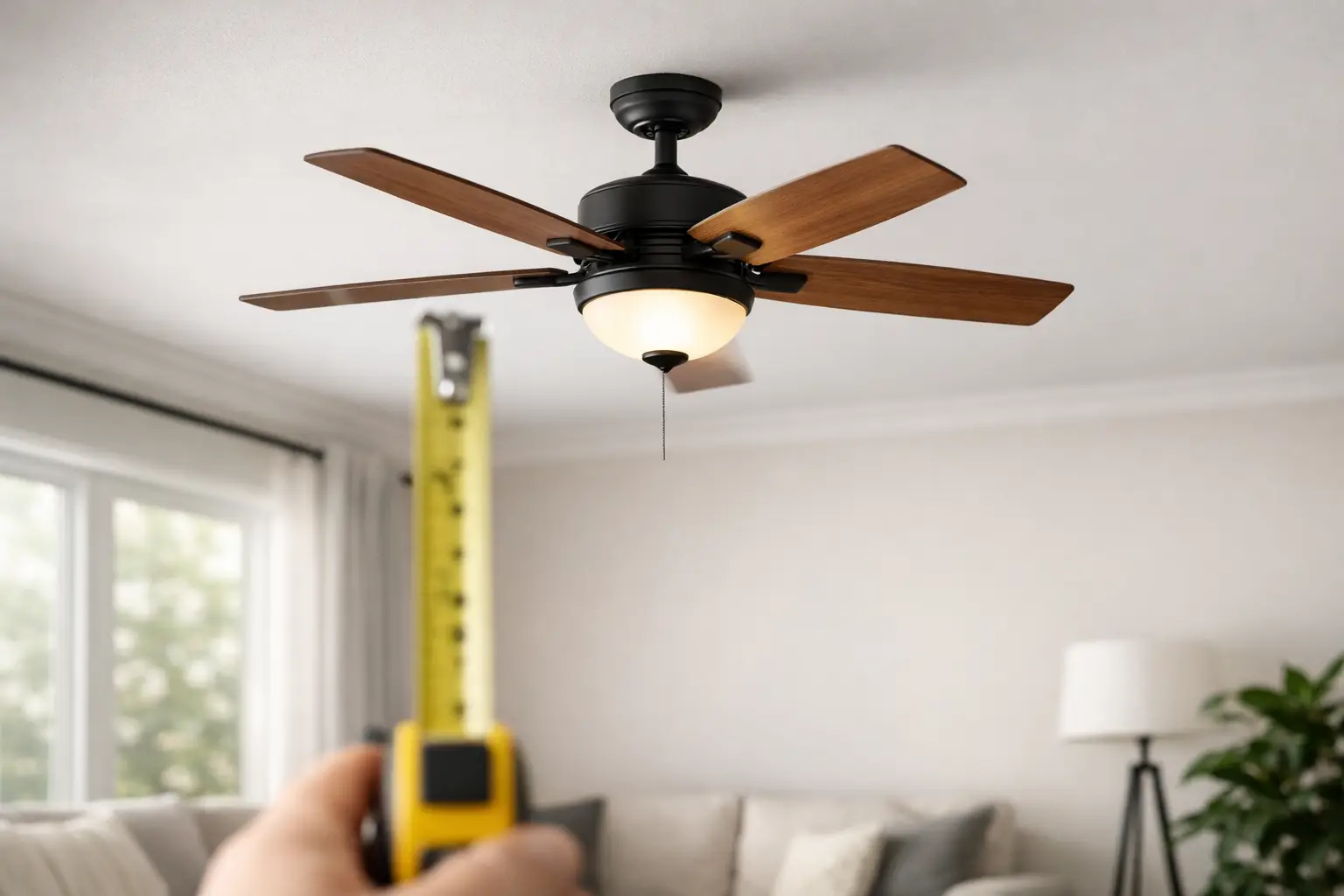
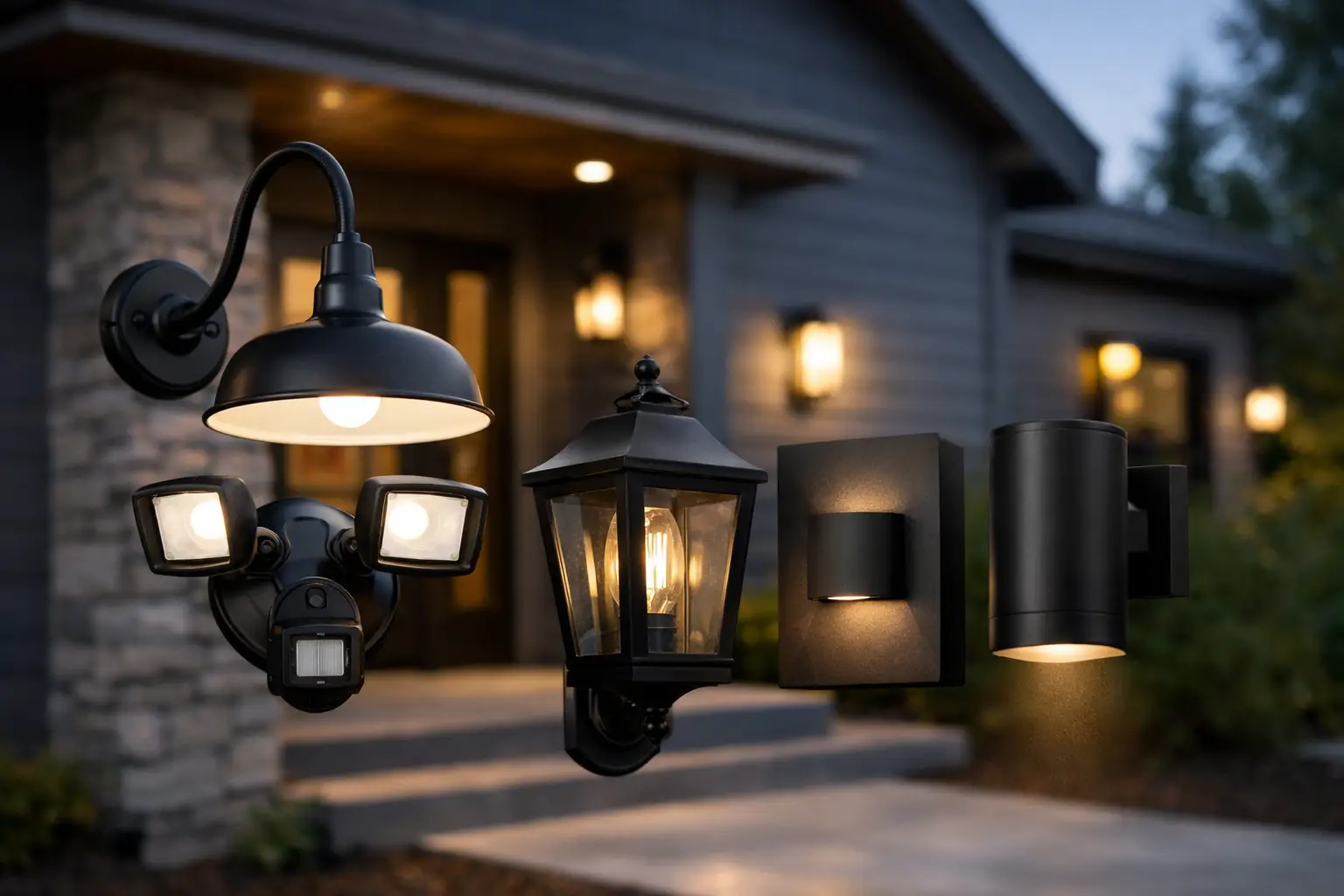
Bulk buying tends to pay off most when you standardize common-use fixtures. Hall lights, bathroom vanity bars, flush mounts, exterior sconces, and fan-light combinations are strong candidates because they repeat often and usually do not need room-by-room customization.
It is less effective when you over-spec statement fixtures too early. Designers know this problem well. The dramatic dining chandelier may photograph beautifully, but if the client changes the furniture plan or ceiling height assumptions were wrong, you can end up eating restocking fees or holding dead inventory.
For investors, the best play is usually a split package. Use repeatable, durable lighting for the majority of the project and reserve feature fixtures for high-visibility zones like the entry, kitchen island, primary bath, or staged living room. That keeps visual impact high without carrying boutique-level fixture costs across every room.
Spec strategy that protects ROI
The safest bulk lighting package usually starts with three filters: install simplicity, visual consistency, and replacement flexibility. If a fixture is easy to wire, forgiving on ceiling conditions, and available in more than one size or mount type, it is easier to keep the spec intact when field conditions change.
Builders should push hard on standardization. One family of fixtures across multiple elevations or unit types cuts decision fatigue and simplifies reorders. Interior designers can still create distinction through finish, lamping, or placement rather than selecting a different fixture body for every space.
Investors should focus on appraisal-friendly upgrades. Lighting rarely carries value by itself, but it strongly shapes perceived finish level. A clean, current package can help a property show better and sell faster, especially when paired with fresh paint and updated hardware.
At the sourcing stage, ask whether the line has matching sconces, pendants, flush mounts, and fan options. Product families reduce mismatch risk and make late additions less painful.
Questions to ask before placing a large order
The right supplier conversation is less about chasing the biggest discount and more about removing expensive surprises. Ask for the actual lead time by SKU, not the catalog estimate. Confirm whether all items are stocked domestically or split across warehouses. Check the policy on concealed damage, replacement parts, and finish consistency across production runs.
Also ask how long the quote is valid. On longer builds, raw material shifts or tariff changes can affect future releases. If you are phasing deliveries, lock in pricing terms early and document approved substitutions before they become urgent.
Designers should request spec sheets and installation details up front. Builders should verify box count, dimensions, and assembly requirements. Investors should ask the simplest question of all: if one fixture arrives broken, how fast can a matching replacement ship?
That answer often tells you more than the discount ever will.
Freight, storage, and damage: the hidden budget line
Lighting is one of the easiest categories to underbudget after the quote is signed. Large pendants and glass-heavy sconces can be expensive to ship and expensive to store. If your schedule slips and product sits in a warehouse or on-site container for weeks, handling damage becomes more likely.
This is why landed cost matters. A fixture line with tighter packaging, better carton labeling, and lower damage rates can outperform a cheaper alternative over the life of the project. The same goes for products that arrive mostly assembled. Electricians move faster when they are not sorting hardware bags or interpreting vague mounting instructions.
If the order is large enough, ask whether staged deliveries are available. That can reduce storage pressure and lower the chance of loss or breakage, though it may slightly raise logistics costs. It depends on whether your site is organized enough to receive and protect all fixtures at once.
When to negotiate and what to negotiate
Price is not the only term worth pushing. On meaningful orders, negotiate freight thresholds, replacement handling, quote hold periods, and return flexibility on unopened cartons. If you are ordering across categories, ask whether combining fans and lighting improves the package rate.
You can also negotiate around administrative friction. A dedicated account rep, consolidated invoicing, and clearly labeled job-site packaging save time your team would otherwise waste. That has real operational value.
For buyers sourcing through a trade-focused platform or dealer, consistency often beats chasing one-off deals across multiple vendors. A stable partner with reliable stock and fast issue resolution can protect margin better than a slightly lower headline price. That is especially true for firms trying to scale. Resources like Hudson Valley Review can help teams think through smart sourcing decisions before they become field problems.
The best buying approach for each type of pro
Builders should prioritize repeatable SKUs, easy installs, and quote stability. Designers should prioritize cohesive fixture families, finish accuracy, and spec documentation. Investors should prioritize availability, broad appeal, and low replacement risk.
All three should watch the same warning signs: pricing that looks aggressive but expires quickly, incomplete stock visibility, and products that photograph well but complicate installation. A good fixture package does not just fit the design intent. It survives procurement, delivery, and punch-out without bleeding time or margin.
If you are reviewing lighting for a multi-unit project, a flip, or a fast client rollout, build the package backward from installed cost and replacement speed. That is usually where the smartest trade buy reveals itself.







Leave a Reply