Getting ready for a home appraisal can feel like studying for a final exam, but a few smart moves can seriously boost your grade. The secret isn't a massive, expensive renovation. It’s all about focusing on high-impact, low-cost fixes that show your home is well-loved and meticulously cared for. This is a key step whether you are buying or selling a home, and a skilled real estate agent can guide you on how to get the best deal by presenting your property in its best light.
Think of it this way: you’re demonstrating pride of ownership. A clean, well-maintained home with everything in working order sends a powerful signal to the appraiser before they even start measuring rooms.
Your High-Impact Guide To Boosting Appraisal Value

We've all been there—that nail-biting wait for the appraiser's final number. Whether you're selling your home or refinancing, that number is everything. A higher appraisal means more equity, a stronger negotiating position, and a much smoother transaction.
So, how do you influence that number without breaking the bank on a kitchen gut-reno? It starts with seeing your home through the appraiser's eyes and focusing on what they notice first. This guide is your roadmap to the most effective changes for your Hudson Valley home, giving you the best bang for your buck and your time.
Focus On First Impressions
Believe it or not, an appraiser often forms a gut feeling about a property within minutes of walking through the door. This is why nailing the first impression is so critical. Small, positive details add up to create a powerful sense of a well-maintained property. Before buying and selling a home, a walkthrough with a critical eye is essential.
Before the appraiser shows up, pretend you've never seen it before and look for the little things you’ve stopped noticing.
- Fresh Paint: A new coat of neutral paint is one of the cheapest, most effective upgrades you can make. Focus on high-traffic areas like the entryway, living room, and kitchen to make the whole space feel fresh and clean.
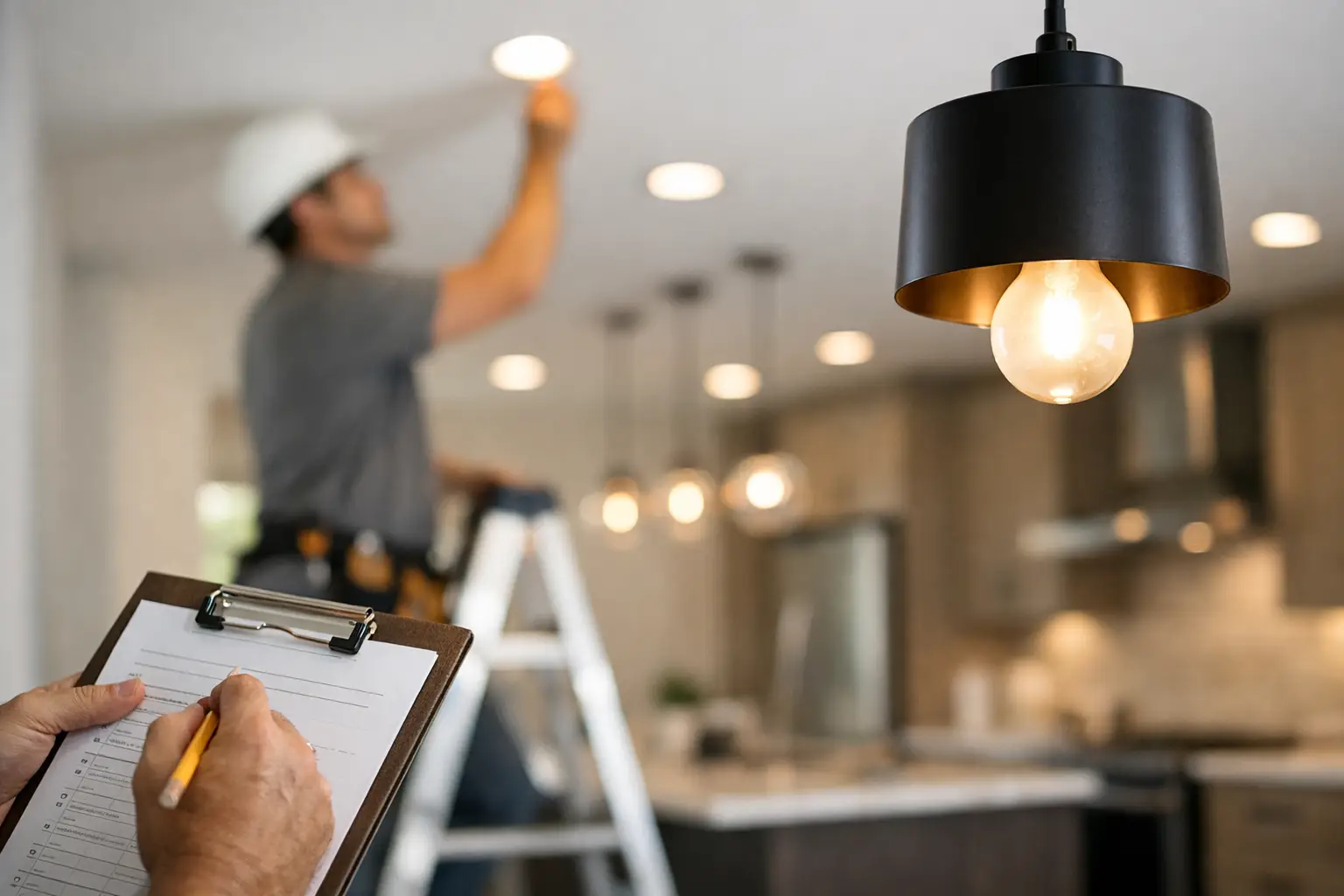
- Working Fixtures: Go through the house and flip every single light switch. Replace any burnt-out bulbs and fix any flickering lights. A dark, shadowy room instantly feels smaller and less appealing.
- Decluttering: This is non-negotiable. Remove excess furniture, personal photos, and clutter from every surface. The appraiser needs to see the home's bones—the floors, the walls, the space itself—not your stuff. An open, organized space just feels bigger and more valuable.
An appraiser's job is to objectively assess condition and value, but they're still human. A clean, bright, and orderly home subconsciously signals that the bigger, more expensive systems (like the plumbing and roof) have likely been cared for, too. It can lead to less scrutiny over minor flaws.
These efforts aren't just about tidying up; they are a strategic way to build equity in your home before the final number is calculated. For a deeper dive, check out these other proven strategies to boost your home's value.
Pre-Appraisal High-Impact Checklist
To make this as simple as possible, here is a quick-hit checklist of tasks to tackle in the days leading up to the appraisal. These are organized to help you prioritize what will give you the most impact for the least amount of effort and cost.
| Task | Estimated Cost | Time Commitment | Potential Impact |
|---|---|---|---|
| Deep Clean & Declutter | $0 – $300 | 4-8 hours | High |
| Touch-Up Interior Paint | $50 – $150 | 3-6 hours | High |
| Replace Burnt-Out Bulbs | $20 – $40 | <1 hour | Medium |
| Fix Leaky Faucets/Running Toilets | $10 – $50 | 1-2 hours | Medium |
| Power Wash Siding/Walkways | $0 (DIY) – $400 | 2-4 hours | High |
| Mow Lawn & Tidy Landscaping | $0 – $100 | 1-3 hours | High |
| Ensure All Doors/Windows Open | $0 | <1 hour | Medium |
Completing even a few items from this list can make a noticeable difference. It’s all about presenting a clean, functional, and cared-for property that leaves no doubt in the appraiser's mind about its condition and worth.
Mastering First Impressions: Curb Appeal and Interior Flow
An appraiser's job doesn't start when they walk through the front door. It begins the second they pull up to your house. That first glance—the curb appeal—sets a powerful first impression, creating a subconscious bias that can influence their entire evaluation. Knowing how to increase curb appeal and the price of your home is a critical part of the selling process.
Think of it as communicating pride of ownership. A home with a pristine exterior suggests that the big-ticket items you can't see, like the HVAC system or the roof, are probably in good shape, too. This isn’t about a massive, expensive landscaping overhaul; it's about smart, visible improvements that show you care.
Enhancing Your Hudson Valley Curb Appeal
Your home’s exterior is its business card. Here in the Hudson Valley, where the natural landscape is a huge part of the draw, a home that looks well-cared-for and fits its surroundings just feels more valuable. A little elbow grease here pays off big time.
Start with a serious cleaning. Power washing the siding, driveway, and walkways can strip away years of grime, making the whole property look brighter and newer. You'd be surprised what a difference it makes.
Next, zero in on the details. A fresh coat of paint on the front door, shutters, or trim gives you a huge visual pop for a pretty small investment. And don't forget the house numbers—make sure they're clean, easy to read, and maybe even a little stylish. It’s a small thing that signals you pay attention.
An appraiser once told me, "If the homeowner can't be bothered to replace a rotting piece of trim by the front door, what else have they neglected?" That really stuck with me. It shows how tiny, visible flaws can make an appraiser start looking for bigger problems.
Your landscaping is the frame for your home's portrait. You don't need a professionally designed garden, but neatness is absolutely crucial.
- Tidy Up: Get the lawn mowed, trim the edges, and make sure garden beds are weeded and freshly mulched. Prune back any shrubs or trees that are starting to block windows or hang over walkways.
- Add a Splash of Color: You can't go wrong with seasonal planters. A few Black-Eyed Susans in the summer or some colorful mums in the fall add instant, low-cost charm.
- Check Tree Health: A dead or dying tree is a major red flag for an appraiser, signaling a future expense and potential hazard. It's smart to deal with issues like that head-on. Understanding the health of local species, like the popular Evergreen Ash tree, is a great move for any Hudson Valley homeowner.
Creating an Open and Inviting Interior Flow
Once the appraiser steps inside, their attention shifts to the condition, layout, and overall feel of the space. Your goal is to make every room feel open, bright, and meticulously cared for. Clutter is your worst enemy here—it shrinks rooms and hides your home's best features.
Start by being ruthless with decluttering and depersonalizing. Box up the family photos, memorabilia, and any extra knick-knacks. Clear off kitchen and bathroom counters completely, leaving only the bare essentials. The appraiser is there to see the house, not your stuff.
Furniture placement is another powerful tool. Try pulling sofas and chairs away from the walls to create more defined, cozy conversation areas. You want to create an obvious, easy path through each room so the layout feels intuitive and spacious. If a room feels tight, don't be afraid to remove a piece of furniture altogether.
Let There Be Light
Lighting has a huge psychological effect. A bright, well-lit home automatically feels larger, cleaner, and more appealing. This is one of the easiest and most impactful ways to boost your home's perceived value from the inside.
First, clean every single window, inside and out, to let in as much natural light as possible. In the Hudson Valley, this also has the bonus of showing off any great views. Ditch the heavy, dark drapes for lighter, sheerer curtains that let light filter through.
Finally, do a walkthrough and check every light fixture. Replace any burnt-out bulbs with bright, high-wattage ones. For a clean, cohesive look, stick to a consistent color temperature, like a soft white. Just before the appraiser arrives, turn on every single light in the house. A home that is literally glowing with light feels welcoming and valuable from the moment they step inside.
Strategic Upgrades with the Best Return on Investment
It's tempting to think a massive, six-figure renovation is the key to a higher appraisal, but that's rarely the case. Appraisers are looking for functional, modern, and well-maintained features, not necessarily a gourmet kitchen that costs a fortune. The real secret to boosting your appraisal value is focusing on strategic upgrades that give you the best return on your investment (ROI).
This means being smart with your money. Prioritize cosmetic fixes and mid-range updates that have broad appeal and directly improve your home's condition and functionality. The goal is to get the maximum appraisal boost without over-improving for your specific Hudson Valley neighborhood. This is where finding the right realtor becomes crucial; they can advise you on which upgrades will yield the best deal.
This chart gives you a peek into how an appraiser's first impression is formed, weighing the impact of your home's exterior, interior, and overall staging.

As you can see, while the home's physical condition is the foundation, good staging can seriously elevate the overall impression and sway the perceived value.
Prioritize Kitchen and Bathroom Facelifts
Kitchens and bathrooms are the heavy hitters in any appraisal. They're also where a little bit of money can go a very long way. Forget the full gut job; a cost-effective facelift is often all you need.
In the kitchen, start with the cabinets. If they're structurally sound, a professional paint job can completely transform the space. Swap out dated knobs and pulls for a modern style like matte black or brushed brass—it's a quick, cheap fix that makes a huge impact.
Next, look at the fixtures. A new, modern faucet and an updated light fixture can instantly make the room feel current and cared for. When you're planning these kinds of updates, it’s critical to know which ones pay off. For more details, check out this guide on Kitchen Renovation Return on Investment.
A mid-range minor kitchen remodel can recoup a huge portion of its cost, sometimes even over 100%. An appraiser sees a fresh, functional kitchen and adds value. They don't necessarily add more value just because you splurged on marble countertops instead of a high-quality laminate.
The same idea applies to bathrooms. Instead of a costly tile replacement, consider having it professionally reglazed. This can make an old, tired bathroom look brand new for a fraction of the price. Finish the transformation with a new vanity, mirror, and light fixture.
Focus on Energy Efficiency and System Updates
Today's buyers—and appraisers—are very conscious of energy efficiency. Upgrades that cut down on utility costs are a huge value-add. They show that a home isn't just nice to look at, but also economical to live in.
Here are a few high-impact, energy-efficient updates to consider:
- Smart Thermostat: Installing a device like a Nest or Ecobee is a simple, low-cost upgrade that signals a modern, efficient home.
- Newer Windows: If your windows are old and drafty, replacing them is a sound investment. Appraisers take note of new, energy-efficient windows because they improve the home's integrity and lower energy bills.
- Updated HVAC: A new HVAC system is a big expense, but it's a major factor in an appraisal. If your system is getting old, replacing it can give buyers peace of mind and justify a higher valuation.
Don't forget to document everything. Keep records and warranties for any new systems to show the appraiser. It's proof of the investment you've made.
Small Cosmetic Fixes Add Up
Never underestimate the power of small improvements. An appraiser’s final report is a collection of observations, and a home without a bunch of minor, visible flaws will always score higher. It creates the impression of a "turnkey" property that's ready to go.
Walk through your home with a critical eye and make a list of every little imperfection. Scuffed baseboards, outdated light switch plates, a squeaky door—addressing these issues costs very little but tells a powerful story of a well-maintained home.
Consider these quick wins:
- Replace Outlet Covers and Switch Plates: Swapping old, almond-colored plastic for crisp, white ones is a five-minute job that freshens up every single room.
- Update Door Hardware: Replacing old, tarnished brass doorknobs with a more contemporary finish gives the whole house a cohesive, updated feel.
- Refinish Hardwood Floors: If your hardwood floors look scratched and worn, having them refinished can dramatically improve the home's appearance and add serious value.
These targeted upgrades send a clear message: this home has been updated and meticulously cared for. That's exactly the impression you want to create to get the highest possible appraisal value.
Don't Make the Appraiser Guess: The Power of Documentation and Smart Comps
Here’s a hard truth: an appraiser isn't a mind reader. They have no way of knowing you dropped a small fortune on that high-efficiency HVAC system or that the roof was replaced just last year unless you spell it out for them. Leaving them to guess about your home's upgrades is probably one of the biggest—and most common—missed opportunities for homeowners.
It's on you to tell the full story of your home's worth. This isn’t just about having a clean house; it's about presenting a compelling, data-backed case for a higher valuation. A well-organized packet of information shows you're a diligent, informed homeowner and gives the appraiser concrete data they can use to justify their final number.
Create a Comprehensive Brag Sheet
Think of this as your home’s resume. It’s a professional, organized document that highlights every significant improvement you've made. Don't ever assume the appraiser will notice every little detail—put it all in writing. You’re making their job easier and ensuring you get full credit for your investments.
This "brag sheet" needs to be clear, concise, and easy to scan. This isn't the place for long stories; just the facts will do. A simple, chronological list usually works best.
Make sure your brag sheet includes:
- A List of Major Improvements: Document every significant upgrade from the last 5-10 years. Be sure to include the date it was completed and, if you're comfortable, the cost of the project.
- Permits for Completed Work: Have copies of permits for any additions, major electrical work, or significant plumbing changes? This is huge. It proves the work was done to code, a critical factor for any appraiser.
- Warranties for Key Systems: Include any active warranties for big-ticket items like major appliances, the HVAC system, the roof, or new windows. This is a subtle but powerful way to reinforce the quality and longevity of these high-value components.
An organized folder with a clean, one-page summary is infinitely more effective than a messy stack of loose receipts. The goal is to make the appraiser’s life easier, not harder. A well-presented packet signals that you are professional and serious about your home's value.
While you're getting paperwork together, it's also the perfect time to do a final check on the home's overall condition. Our detailed home inspection checklist pdf can help you spot any minor issues you might have overlooked before the appraiser shows up.
Finding and Presenting Smart Comps
Beyond documenting your own home's improvements, providing relevant comparable sales—what we call "comps" in the business—can be a total game-changer. Comps are recently sold properties right in your immediate area that are similar to yours in size, age, condition, and features.
Of course, the appraiser will pull their own comps. But what if they miss a key sale or use one that isn't really an apples-to-apples comparison? It happens more than you'd think.
This is where your real estate agent becomes your most valuable player. An experienced local realtor has their finger on the pulse of your specific Hudson Valley neighborhood. Learning how to find your realtor is a crucial first step; they know the market inside and out and can help you pinpoint recent sales that strongly support your desired valuation.
Maybe a home on the next street over sold for a fantastic price, but it’s so recent it didn’t pop up in the appraiser’s initial search. Or perhaps a comp they’re looking at is on a much busier road or lacks the beautifully updated kitchen that your home has. Providing your own hand-picked comps gives the appraiser a much more complete picture to work with.
How to Present Your Information
Once you've gathered your brag sheet and your list of smart comps, assemble them into a neat, professional-looking packet. On appraisal day, greet the appraiser, offer them the packet, and give a brief, friendly overview.
Something simple and non-confrontational works best. Try: "Hi, thanks so much for coming. Just to make your job a bit easier, I put together a list of the recent upgrades we've done, along with a few recent sales in the neighborhood we thought were relevant."
This approach hits all the right notes:
- It provides crucial data: You're handing them facts they might have otherwise missed.
- It shows you're proactive: It immediately communicates that you're an informed and engaged homeowner.
- It builds a collaborative tone: You’re positioning yourself as a helpful resource, not an adversary.
After you hand over the packet, the best thing you can do is step back and give the appraiser space to do their job. Being prepared with solid documentation and smart comps is one of the most powerful things you can do to ensure your home's true value is reflected in that final report.
Showcasing Your Home's Unique Hudson Valley Appeal

We've all heard the golden rule of real estate: "location, location, location." And honestly, nowhere is that more true than right here in the Hudson Valley. Your home is so much more than just four walls—it’s the key to a lifestyle that people are actively searching for. An appraiser’s final number is heavily swayed by these intangible, location-based perks.
So, how do you make sure they see that value? You can't just assume they'll connect the dots. It's your job to paint a vivid picture of what makes your specific corner of the valley so incredible.
Frame the Lifestyle, Not Just the Features
An appraiser looks at the property, but a huge part of their calculation is the desirability of its location. Instead of just listing facts, you need to frame them as tangible lifestyle benefits. This helps the appraiser quantify what makes your home special compared to others in the area.
For instance, don't just say you're "near the train." That’s too generic. Instead, point out that you're a "10-minute drive to the Beacon Metro-North station, offering a convenient commute to Grand Central." That simple rephrasing adds real-world context and value. The same goes for "close to hiking." Transform it into "walkable access to the Breakneck Ridge trailhead." See the difference?
A home's story is just as important as its stats. An appraiser might not be local, so explicitly stating you're within walking distance of Rhinebeck's farmers market or have a clear view of the Hudson River helps them understand the premium your location commands.
Think about the unique character of your town. Are you in a quiet, rural spot with sprawling views? Or are you in a vibrant, walkable village? Both have distinct value propositions, and it’s up to you to spell them out.
Document Your Proximity to Key Amenities
Don't just mention these perks—document them. Put together a clean, one-page summary of your home's key location advantages and include it in your info packet for the appraiser. Having tangible evidence makes it so much easier for them to justify a higher valuation.
Living near desirable neighborhood amenities can give your home’s appraisal value a serious boost. Some studies show an average 7% increase in resale ROI, while amenity-driven premiums can hit 10-20% in suburban markets—a perfect fit for Hudson Valley towns like Rhinebeck or Cold Spring. If you want to dive deeper, there are some great insights on what drives property appraisals over on hotbot.com.
Here are some high-value amenities to highlight in your summary:
- Transportation: Note the driving time to major train stations (Metro-North), key highways (Taconic State Parkway, I-87), and Stewart International Airport.
- Recreation: Mention proximity to state parks, walking trails, riverfront access for kayaking, or local ski areas.
- Community Hubs: Detail your home’s walkability or short drive to popular downtown areas, farmers markets, art galleries, and acclaimed restaurants.
- School Districts: If you're in a top-rated school district, say so! This is a massive draw for families and has a direct, positive impact on property values.
Showcase Views and Natural Surroundings
Let's be real: one of the Hudson Valley's most prized assets is its natural beauty. If your property has a view of the mountains, the river, or even just a particularly lovely wooded area, you need to make sure it’s front and center.
Clean the windows until they sparkle. Open all the blinds and curtains. You might even consider rearranging furniture to draw the eye toward the best sightlines. Let that view do the talking!
And if you’ve invested in landscaping that complements the natural environment—like native plant gardens or a bluestone patio that’s perfect for watching the sunset—point it out. These features enhance the lifestyle appeal and show a thoughtful, valuable investment in the property. By clearly and professionally presenting these unique benefits, you’re giving the appraiser all the evidence they need to see your home’s full, remarkable value.
Common Appraisal Questions from Hudson Valley Homeowners
Walking into a home appraisal can feel like you're about to take a final exam, so it's only natural to have some last-minute questions. Getting a few straight answers can really calm the nerves and help you focus on what actually matters. Let's tackle some of the most common things we hear from homeowners around the Hudson Valley.
How Much Does a Messy House Affect an Appraisal?
Look, professional appraisers are trained to see a home's "bones" and look past your laundry basket or the kids' toys. But let's be real—a seriously messy house can give off a bad vibe. It might subtly suggest that other, more important things are being neglected, which could make them look a little closer for deferred maintenance issues.
On top of that, if there's so much clutter they can't physically see a wall, test a window, or access the furnace, that's a problem. A clean, organized home just feels well-maintained. That first impression matters and can go a long way in supporting a higher valuation.
Should I Be Present During the Home Appraisal?
It’s usually a good idea for you or your real estate agent to be there, at least at the beginning. You can greet the appraiser, hand them that folder with all your documentation, and just be available in case they have a question about something specific to your property.
The key is to not be a shadow. Let them do their job. Following them around from room to room can feel like pressure, and you want them to have the space to make an objective, independent assessment. Be a resource, not a tour guide.
Being present allows you to clarify unique features of your home that might not be immediately obvious. For example, you can point out that the basement was professionally waterproofed or highlight a new, high-efficiency boiler—details that add real value.
What Happens If the Appraisal Comes in Too Low?
It’s a gut punch, no doubt about it, but a low appraisal isn't the end of the road. Your first move is to get a full copy of the report and read it line by line. You're looking for factual errors—did they get the square footage wrong? Is the bedroom or bathroom count incorrect? Did they use comps from a completely different neighborhood?
If you find clear mistakes, you can file a "Reconsideration of Value" with the lender. This isn't just complaining; you need to provide evidence, like a list of more appropriate comps or documentation proving their data was wrong. This is another area where a great realtor is invaluable, as they can help you build the case. In some situations, you might even have the option to pay for a second appraisal from a different person.
Which Small Repairs Make the Biggest Difference?
You’d be surprised how much a few small, visible fixes can influence an appraiser's perception. These little repairs get rid of red flags and paint a picture of a home that’s been genuinely cared for.
- Leaky Faucets: Nothing screams "deferred maintenance" louder than a constant drip, drip, drip.
- Burnt-Out Light Bulbs: Make sure every light turns on. A bright, well-lit home feels more inviting and looks bigger.
- Cracked Tiles: That one cracked tile in the bathroom or kitchen can make the whole floor look tired and worn out. Fix it.
- Sticky Doors: Every door and window should open and close without a fight. It’s a basic sign that the home is functional.
At Hudson Valley Review, we're committed to helping you understand the local real estate market with practical, experience-based advice. Find more guides, tips, and local insights by visiting us at https://hudsonvalleyreview.wordpress.com.







Leave a Reply