A flip can look profitable on the listing sheet and still bleed margin the minute you walk the property. The pros who win know how to evaluate flip deals quickly because they screen for layout problems, rehab drag, and resale friction before they ever debate paint colors.
If you are a builder, designer, or investor, speed matters – but not at the expense of judgment. The goal is not to underwrite every house like a 40-page development package. The goal is to make a sound go or no-go call fast, then spend more time only on the deals that deserve it.
Why fast evaluation matters more than a perfect spreadsheet
In a competitive market, hesitation costs deals. In a slower market, bad assumptions cost even more. That is why quick evaluation is really a filtering system. You are trying to answer three questions early: can this property sell at the price you need, can the scope be completed without surprises swallowing profit, and will the finished product stand out enough to move quickly?
Many investors focus almost entirely on purchase price and contractor bids. That is too narrow. A fast, accurate screen also looks at design risk, material lead times, and buyer appeal. A flip with outdated room flow, poor natural light, or awkward fixture placement may need more than cosmetic work to reach neighborhood comps. On the other hand, a plain house in a strong submarket can often perform well with a disciplined scope and sharp finish selections.
The 15-minute screen for how to evaluate flip deals quickly
Before you schedule a detailed walk-through, run a short screen. This should tell you whether the deal deserves deeper underwriting.
Start with the after repair value, or ARV. Pull the most relevant sold comps, ideally within a tight radius and recent enough to reflect current demand. Match bed and bath count, square footage, lot feel, and finish level. Do not use the best house in the neighborhood as your target unless you can clearly justify that finish standard.
Next, pressure-test the renovation category. Is this a light cosmetic update, a medium rehab with systems and layout work, or a heavy project involving structural, mechanical, or permit-sensitive changes? The faster you classify scope, the faster you can stop fooling yourself about timeline and carrying costs.
Then look at resale friction. Ask whether the home has anything that will make buyers hesitate, even after renovation. Common examples include low ceiling heights, a bad primary bath setup, no dining space, weak curb appeal, limited parking, or a choppy floor plan. Some issues are fixable. Some are expensive. Some are simply part of the asset and must be reflected in your buy price.
Finally, estimate a margin range, not a single number. If the deal only works under best-case assumptions, it does not really work.
Start with comps, but read them like a buyer
ARV is where many flip models go wrong. Pulling comps is easy. Interpreting them well is harder.
Look beyond price per square foot. Buyers do not shop that way in practice. They react to the kitchen, the primary suite, the exterior, natural light, and whether the home feels current. A 1,900-square-foot home with a smart open layout and clean lighting plan can outperform a larger house with awkward rooms and cheap finishes.
This is where design awareness helps protect profit. If your comp set includes homes with updated fixtures, layered lighting, and clean staging, your project cannot hit the same resale number with flat builder-basic choices. The market may not reward overspending, but it absolutely notices under-finishing.
For quick analysis, group comps into three buckets: similar but inferior, true match, and superior. That keeps your ARV grounded. If your renovation plan would position the house in the middle bucket, underwrite to that level instead of chasing the top sale.
Rehab costs: separate visible work from hidden risk
The fastest way to misread a deal is to price only what you can see. Paint, flooring, cabinets, and countertops are easy to estimate. Electrical issues, drainage problems, framing changes, HVAC replacement, and permit delays are where margin disappears.
A practical rule is to split your rehab budget into visible finishes, systems, and contingency. Cosmetic projects often feel safer, but even clean-looking flips can hide old panels, undersized service, or plumbing surprises behind walls. If the property is older, vacant, poorly maintained, or has obvious water history, your contingency should rise.
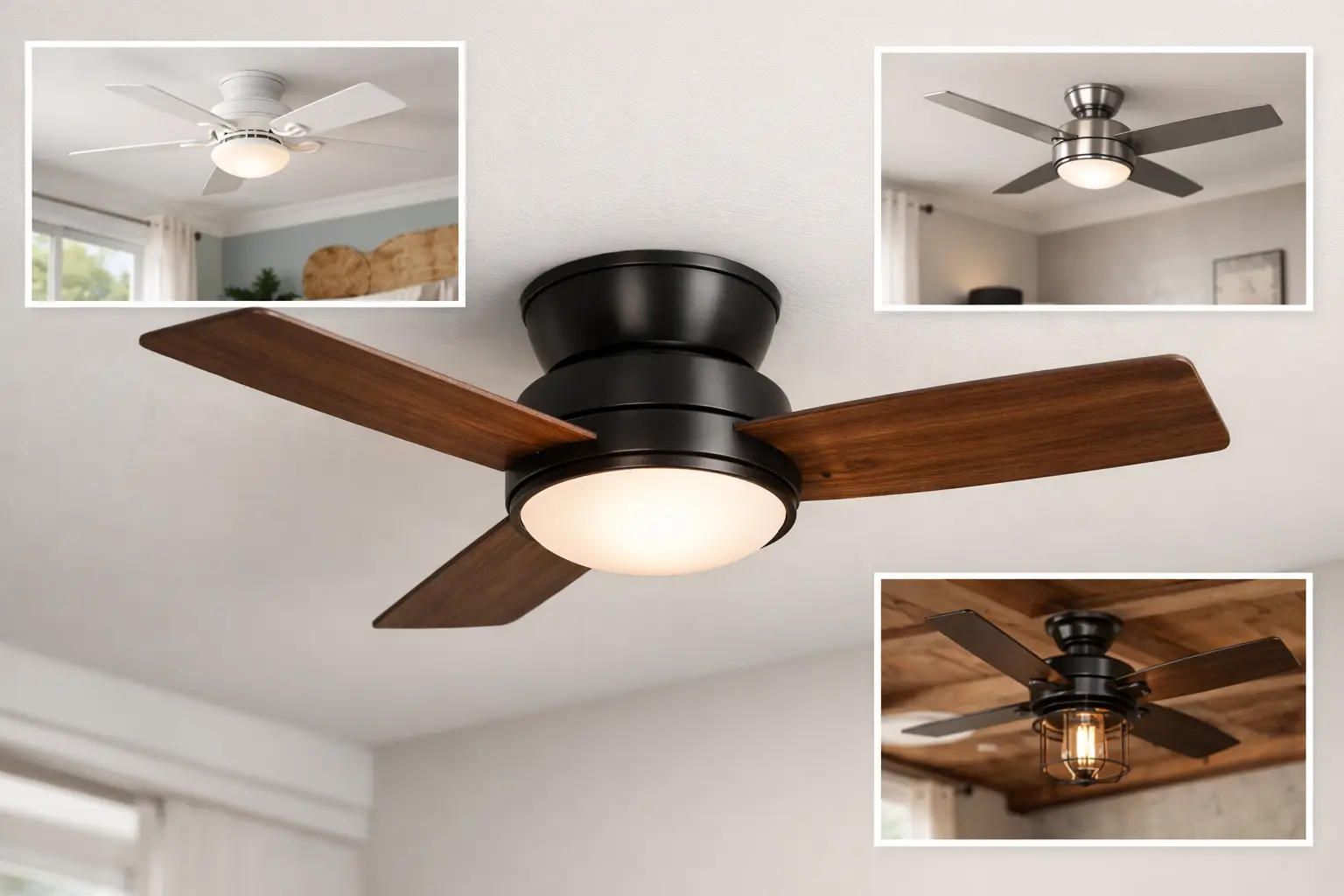
For builders and contractors, this is also where install sequencing matters. A house that needs custom windows, specialty tile, or backordered fixtures may look manageable on paper but create schedule drag. Fast flips need fast specs. Durable, in-stock lighting and ceiling fans can help you finish cleanly without sacrificing buyer appeal. They are not the whole project, but they are visible upgrades that affect both showing quality and install pace.
The design ROI test most investors skip
Not every upgrade deserves the same budget. The right question is not, what looks nicest? It is, what moves buyer perception and supports comp-level pricing?
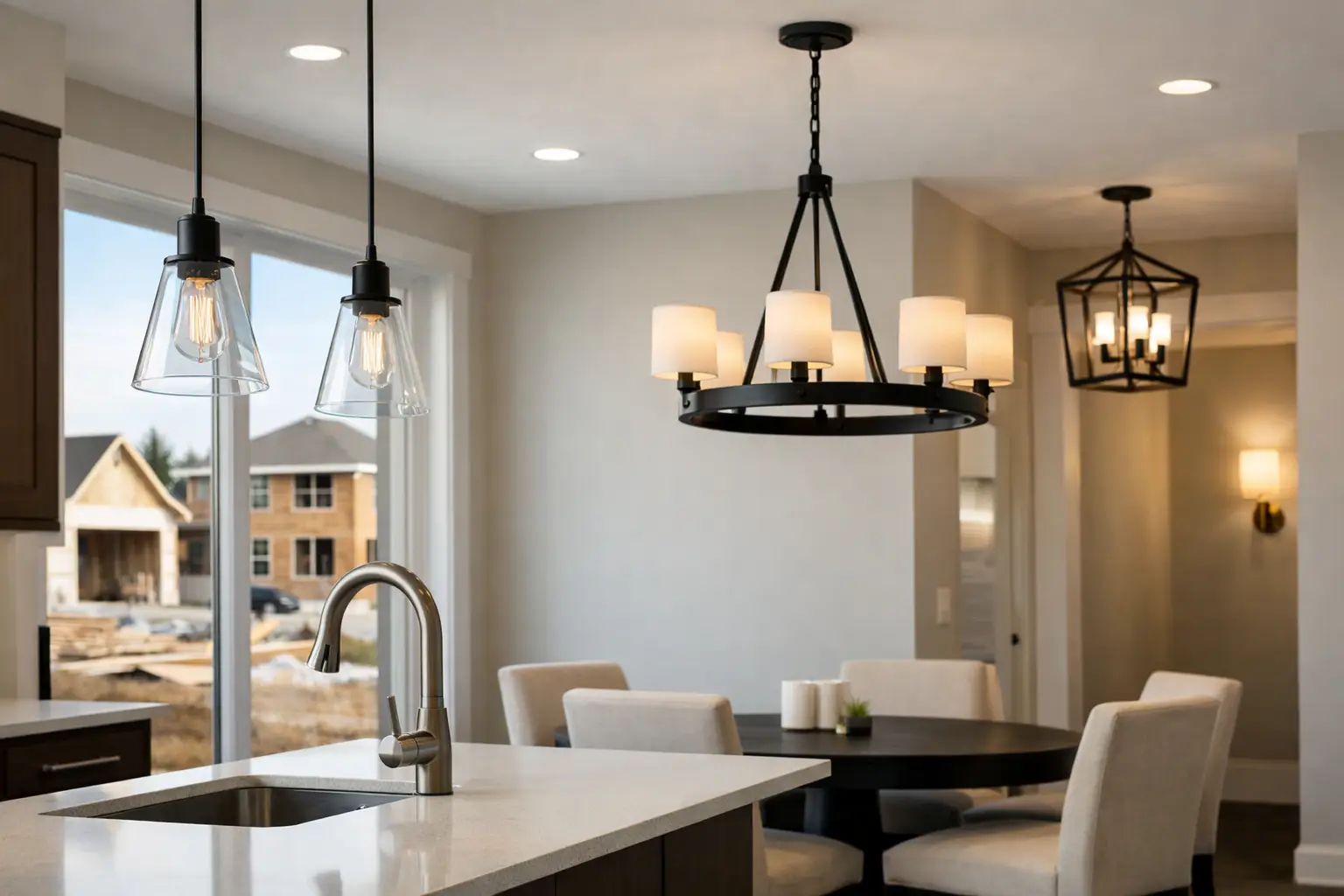
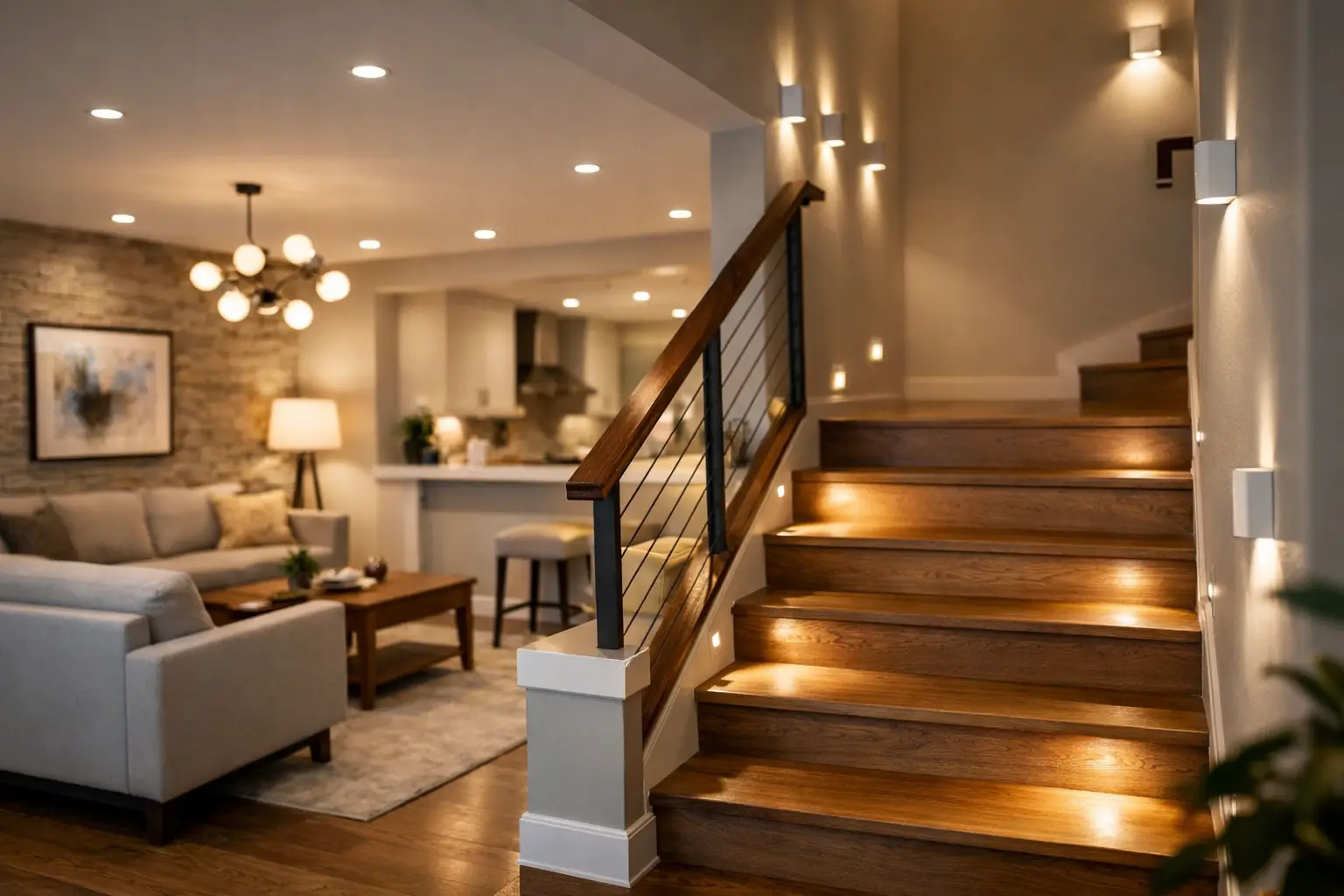
In most midmarket flips, kitchens, baths, flooring continuity, and lighting carry outsized value. Lighting is especially underestimated because it is relatively affordable, highly visible, and tied to how the home photographs. A dated dining fixture or undersized vanity light can make a rehab feel cheaper than it is. A well-scaled fixture package makes the property read as finished and intentional.
Ceiling fans matter too, particularly in bedrooms, covered patios, and high-ceiling living areas where comfort and energy efficiency affect buyer response. For investors selling to owner-occupants, a modern fan with strong airflow and clean lines often performs better than omitting the fan and leaving buyers to solve it later. For builders and designers, this is a simple spec decision that can support both staging and daily function.
The trade-off is clear: over-customizing hurts ROI, but under-specifying can cap resale. Choose finishes that feel current, photograph well, and are easy to source at scale.
Time is a line item, not a side note
Plenty of flips die by delay, not by budget. When you evaluate a deal, treat timeline as part of cost from the first pass.
How quickly can you close? Are permits required for the intended scope? Is the labor team ready now, or in six weeks? Are utility issues, HOA approvals, or municipal inspections likely to slow progress? Those are not operational details to solve later. They belong in deal analysis.
A property with a slightly lower headline margin but a 30-day faster execution path can be the better investment. Shorter holds reduce interest, taxes, insurance, and exposure to market softening. That matters even more when rates are elevated or local demand is uneven.
This is also where product selection becomes a real business decision. If a fixture package takes 10 weeks to arrive, your pretty renderings are not helping cash flow. Spec what you can install on schedule.
A simple scoring method for faster decisions
If you review multiple properties a week, use a scoring model. Keep it simple enough that your team will actually use it.
Score each deal from 1 to 5 on six categories: buy basis, comp support, rehab complexity, design upside, timeline risk, and resale friction. A house with a strong buy price and excellent comps but high rehab complexity may still be viable. A house with weak comps and multiple resale objections usually is not, even if the seller looks flexible.
This approach helps remove emotion. It also makes conversations between investors, contractors, and designers more productive. Instead of vague debate, you can say the deal scores well on buyer appeal but poorly on execution risk, so the offer needs to reflect that.
Red flags that should slow you down
Even when learning how to evaluate flip deals quickly, some signals deserve a pause.
Be careful with homes where the floor plan requires major structural changes to meet buyer expectations. Be careful with properties where the comp set is thin or inflated by one standout sale. Be careful with houses in decent neighborhoods but on compromised lots, such as backing to commercial uses or sitting on awkward grades. And be especially careful when your margin depends on a perfect sale during a narrow seasonal window.
The point is not to avoid every imperfect asset. It is to know which imperfections are priced in and which ones will follow you all the way to resale.
Build a repeatable buy box
The fastest operators are not faster because they guess well. They are faster because they know what they buy.
Your buy box should define target neighborhoods, price bands, minimum spread, acceptable rehab scope, preferred square footage, and finish strategy. It should also reflect who the end buyer is. A suburban family flip may need bedroom fans, practical mudroom lighting, and durable finishes. An urban design-forward rehab may lean harder on statement pendants, layered lighting, and compact but premium bath upgrades.
When your criteria are clear, decisions speed up. Teams can align on specs, budgets, and resale positioning earlier. That improves bidding discipline and reduces the expensive habit of trying to force every house into the same model.
If you want a useful benchmark for finish decisions and sourcing strategy, the project guidance at Hudson Valley Review can help you think more like a builder and less like a gambler.
The best flip deals rarely announce themselves as perfect. They show enough upside, enough clarity, and enough room for disciplined execution. Evaluate them fast, but make sure your speed comes from a sharper framework – not thinner judgment.






Leave a Reply