A lighting allowance that looks harmless on page 14 of a builder contract can blow up a budget faster than a framing delay. For builders, designers, and investors, lighting allowances for builder contracts are not just placeholders. They shape client expectations, determine fixture quality, affect install coordination, and often decide whether a project finishes cleanly or gets buried in change orders.
The problem is rarely the allowance itself. It is usually the gap between what the client thinks is included and what the number can actually buy. A homeowner pictures a statement chandelier, layered vanity lighting, and exterior sconces with curb appeal. The contract often covers basic builder-grade fixtures, limited selection, or sometimes fixture cost only without freight, assembly, bulbs, or upgraded labor. That mismatch is where margin gets squeezed.
Why lighting allowances for builder contracts cause trouble
Lighting sits at the intersection of design, electrical scope, and budget. That makes it one of the easiest places for confusion to start. Unlike drywall or insulation, clients can see and compare fixtures instantly. They know when a dining room chandelier feels cheap, and designers know when a poor fixture choice pulls down the whole spec.
Allowances become risky when they are written as a single lump sum without room-by-room assumptions. A $6,000 allowance may sound generous on a custom home and painfully thin on a larger renovation. It depends on fixture count, ceiling height, finish level, lead times, and whether decorative lighting is separate from recessed cans, under-cabinet lights, bath bars, exterior lighting, and ceiling fans.
Builders also get caught when the allowance reflects old pricing. Fixture costs have moved significantly in recent years, especially in higher-demand finishes like matte black, aged brass, and oversized glass forms. If your contract still uses numbers from a prior bid environment, the allowance may be outdated before rough-in is complete.
What a lighting allowance should actually cover
A useful allowance is specific enough to manage expectations but flexible enough to keep the project moving. In practical terms, that means defining inclusions in plain language.
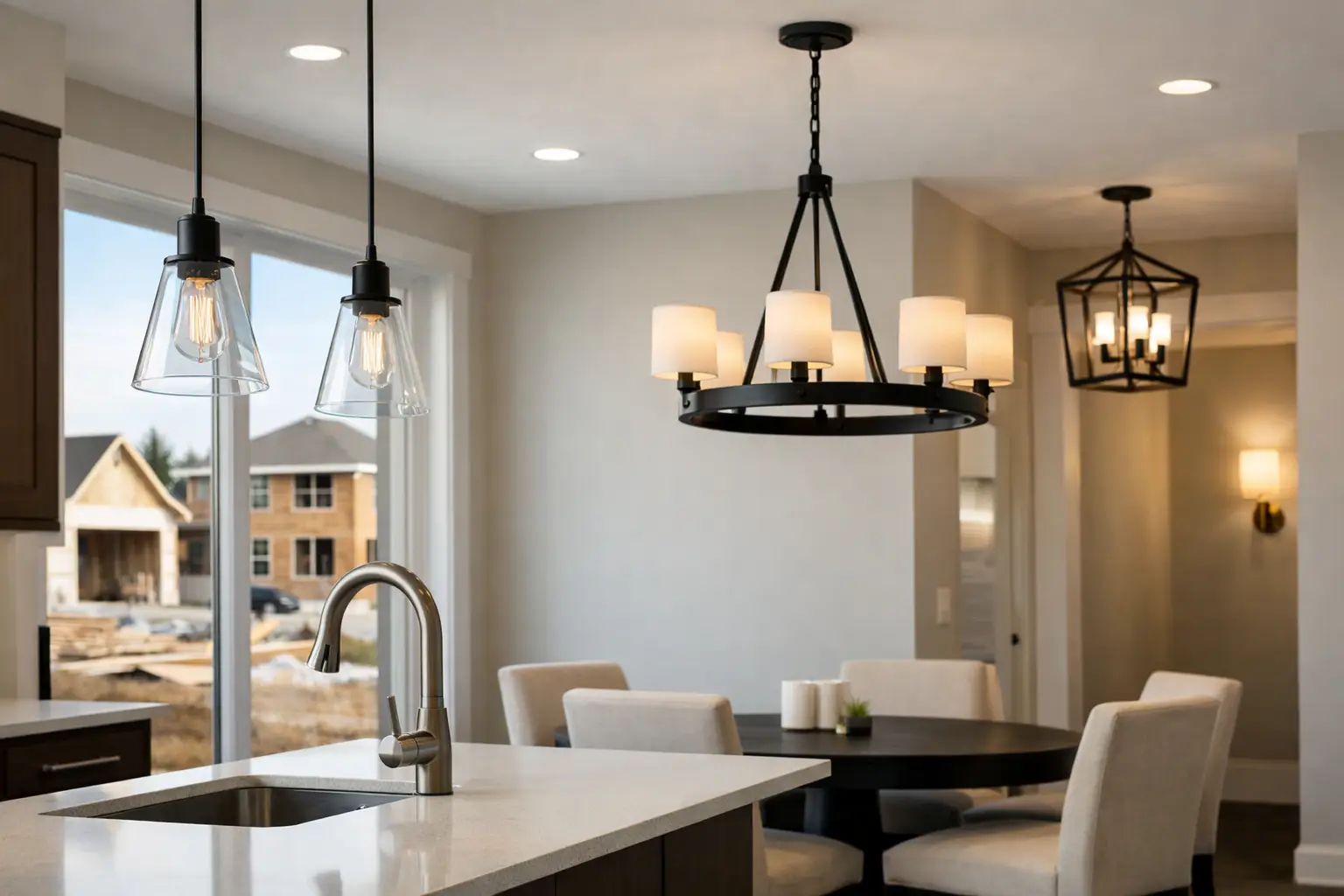
Start by separating decorative fixtures from electrical base scope. Recessed cans, switch plates, dimmers, and standard code-required devices should usually sit in the electrical scope, not the decorative allowance. Pendants, chandeliers, sconces, vanity lights, and ceiling fans are better candidates for an allowance because finish and style vary so much by client.
Then clarify whether the allowance is for supply only or supply plus delivery, assembly, and installation. This is where jobs go sideways. A client may choose a fixture that technically fits the allowance on paper, but it arrives with complicated assembly, extra stem kits, specialty lamps, or a mounting requirement that adds labor. If the contract is vague, someone absorbs that cost.
A stronger contract spells out three things: what fixture categories are included, what the budget applies to, and what triggers added cost. That protects the builder and gives the designer a cleaner framework for selections.
The categories worth breaking out
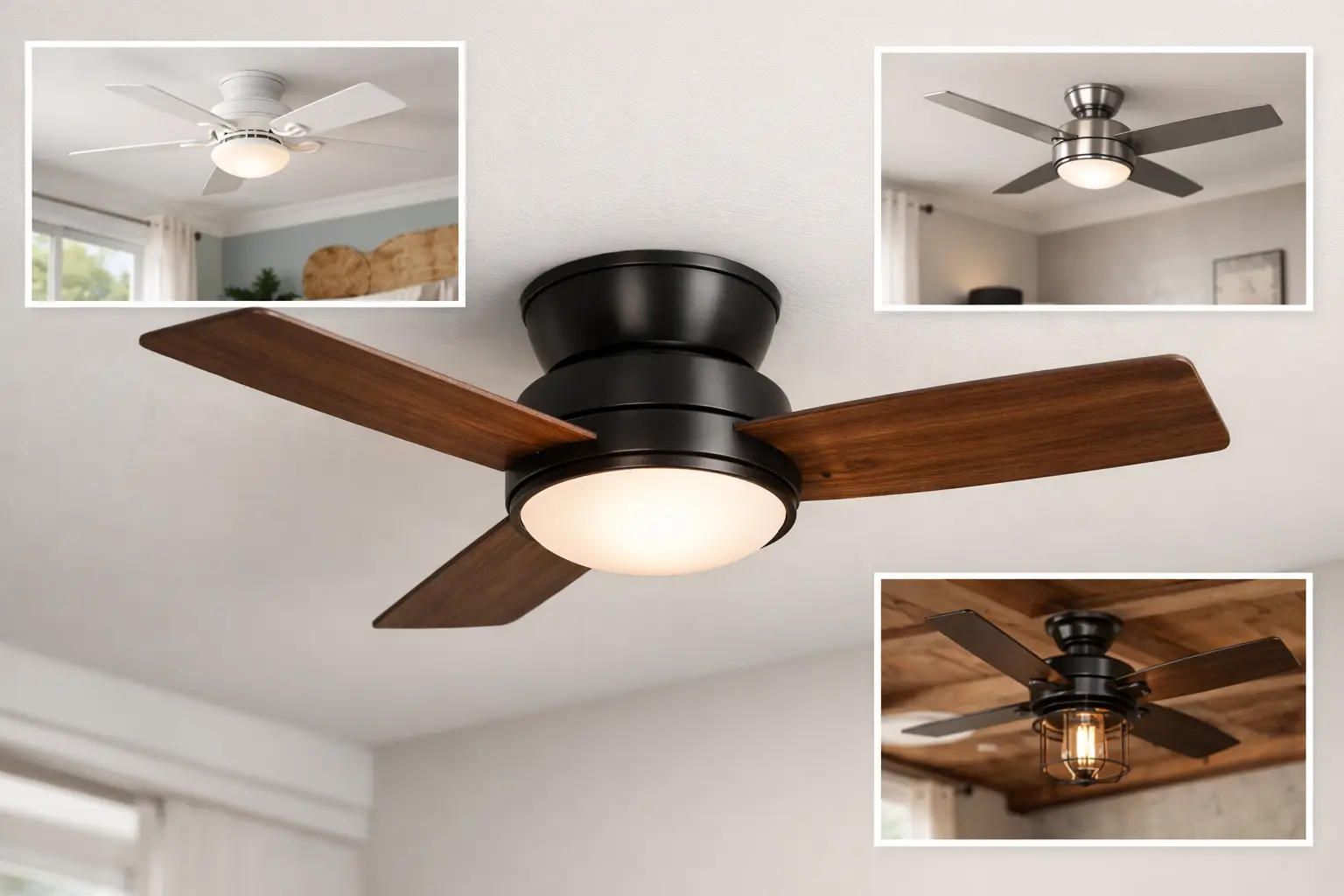
Most projects benefit from breaking lighting into smaller buckets rather than one combined total. Interior decorative lighting, bath vanity fixtures, exterior fixtures, and ceiling fans each have different pricing patterns. Exterior lighting often gets underestimated because clients want visible curb appeal at every elevation. Ceiling fans can also distort budgets because quality, motor performance, blade span, and integrated light kits move pricing quickly.
For flips and investor-grade renovations, simpler categories may be enough. For custom homes or designer-led projects, more detail saves time later.
How to set realistic allowance numbers
This is where builders can protect both ROI and client trust. The best allowance is not the lowest number that helps win the bid. It is the number that aligns with the finish level the project is actually selling.
Start with fixture count, not just square footage. Count every chandelier, pendant, vanity fixture, sconce, ceiling fan, foyer light, and exterior fixture. Then assign a realistic cost range by room type and project tier. A powder room sconce for an entry-level spec home is not the same as a pair of oversized bath fixtures in a luxury primary suite.
Past project data matters here. If your last five homes averaged $450 per vanity fixture and $900 per dining chandelier at your standard finish level, that is better guidance than a generic per-square-foot rule. Designers can add value by tracking what clients actually select, not just what was initially budgeted.
It also helps to build around current sourcing realities. If the goal is fast-turn inventory for a flip, choose allowance numbers based on in-stock products with dependable lead times. If the goal is a custom look for a higher-margin build, the number should reflect better finishes and the possibility of specialty pieces. Cheap allowances often create expensive delays.
The contract language that saves the job
A good allowance clause is clear, short, and hard to misread. It should state the total allowance amount, identify the fixture categories included, and explain what happens if selections exceed or fall below the budget. It should also note whether sales tax, freight, and installation are included.
The strongest contracts also include a selection deadline. That deadline matters because lighting drives more than decor. It can affect box placement, support requirements, fan-rated boxes, exterior mounting conditions, and sometimes even furniture planning. If a client makes late changes after rough-in, the contract should say exactly how those changes are priced.
This is also the place to define substitution rules. If the specified fixture is discontinued or backordered, can the builder approve a comparable option within the same price band? That one line can prevent schedule drift.
Avoid vague phrases
Terms like “standard fixtures” or “allowance as selected by owner” invite arguments. Standard according to whom? Selected from where? A showroom package, trade vendor list, or approved spec sheet creates a much stronger paper trail.
If your team works with preferred vendors, say so. If there is a curated package clients can choose from, even better. Structured choices speed decisions and reduce pricing surprises.
Where allowances break down on real projects
The most common failure point is when design intent outruns the budget. A client sees inspiration photos with large-scale pendants, layered bedside sconces, and statement exterior lanterns. The contract carries a modest allowance based on commodity fixtures. Nobody addresses the gap until the selection meeting.
Another issue is treating lighting as purely decorative when it affects performance. Builders focused on budget may under-spec ceiling fans or outdoor fixtures, but those are highly visible and heavily used. In a flip, a well-scaled fan in the primary bedroom or covered patio can improve perceived value at a modest cost. In a custom build, poor fan quality can generate callbacks and hurt the finish standard of the whole home.
There is also the labor trap. Heavy chandeliers, multi-light stair fixtures, and sloped-ceiling installs can require more time and coordination than the allowance assumes. Decorative lighting is not always plug-and-play. If installation complexity is likely, account for it early.
A smarter process for builders, designers, and investors
The cleanest projects handle lighting allowances as a guided system, not a loose budget number. Builders should establish baseline fixture packages by project tier. Designers should align selections with both budget and install realities. Investors should choose where upgraded lighting creates visible ROI, usually in entries, kitchens, dining areas, primary baths, and front exterior elevations.
This approach also makes sourcing more efficient. Instead of reviewing hundreds of random options, the team works from approved ranges, finish palettes, and lead-time constraints. That saves hours and protects the schedule.
For professionals managing multiple projects, it helps to create an internal lighting matrix. Track fixture category, budget target, approved vendors, standard finish options, and backup selections. Over time, this becomes one of the most useful spec tools in your pipeline.
If your team needs a benchmark for smarter product sourcing and trend-aware selections, resources like Hudson Valley Review can help sharpen the spec process without overcomplicating it.
What good looks like in practice
A solid lighting allowance strategy feels boring in the best way. The client understands what is included. The designer knows the price lane. The electrician gets accurate fixture information on time. The builder protects margin because late surprises are limited.
That does not mean every project needs premium fixtures everywhere. It means the allowance matches the promise of the build. A fast-turn rental renovation needs durable, clean-lined lighting that installs quickly and holds up. A custom home or design-forward flip needs statement pieces in the rooms that sell the space. Different projects, different numbers.
The key is to stop treating lighting as an afterthought. It is a budget line, a schedule driver, and a visible part of the finished product. Write the allowance that way, and the rest of the job gets easier.
The best next move is simple: review your current contract template and ask whether the lighting allowance reflects today’s pricing, your actual finish level, and the way your team really installs and sources fixtures. If it does not, fix that before the next bid goes out.







Leave a Reply